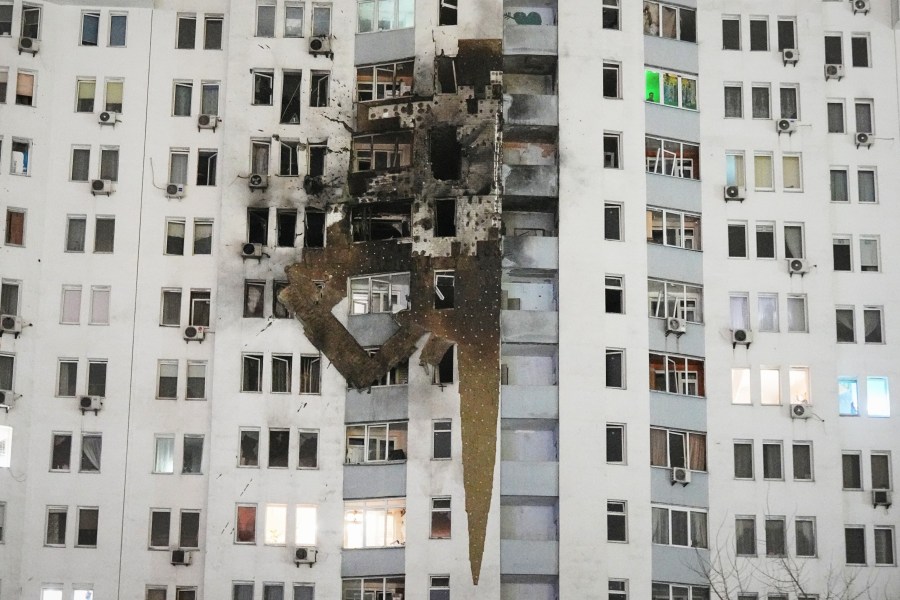
The United States has condemned Russia for what it describes as a “dangerous and inexplicable escalation” of its ongoing conflict in Ukraine. This accusation comes as the administration of former President Donald Trump seeks to promote peace negotiations amidst the nearly four-year war. U.S. Deputy Ambassador to the United Nations, Tammy Bruce, highlighted Russia’s recent actions, including the launch of a nuclear-capable missile known as the Oreshnik.
During a session at the United Nations on February 19, 2020, Bruce emphasized that these actions undermine international stability and pose a direct threat to Europe. She remarked, “Russia’s military developments are alarming and contradict its commitments to global security.” The U.S. has urged the international community to take note of Russia’s military posturing and to respond accordingly.
Russia’s escalation in Ukraine has drawn widespread condemnation from various nations. This includes concerns over military exercises and the deployment of advanced weaponry, which many view as a provocation. As tensions rise, the U.S. continues to push for diplomatic solutions to end the conflict, which has resulted in significant casualties and displacement of civilians.
The situation remains complex, with both countries engaging in a war of rhetoric. While the Trump administration has expressed a willingness to negotiate peace, actions on the ground tell a different story. Bruce’s comments underscore a critical moment in international relations, as the balance between diplomacy and military readiness hangs in the balance.
In light of these developments, analysts are closely monitoring the situation to assess the potential impact on European security. The ongoing conflict in Ukraine has not only strained U.S.-Russia relations but has also raised alarms about broader geopolitical stability in the region.
As the conflict enters its fourth year, the humanitarian toll continues to mount, with countless families affected by the violence. The U.S. and its allies are facing mounting pressure to formulate a coherent strategy that addresses both the immediate threats posed by Russia and the long-term goal of establishing lasting peace in Ukraine. The coming weeks are likely to be pivotal in determining the trajectory of this tense situation.
In summary, the United States has formally accused Russia of increasing hostilities in Ukraine while simultaneously making efforts to negotiate peace. The international community remains vigilant as the situation evolves, underscoring the delicate balance between military readiness and diplomatic engagement.