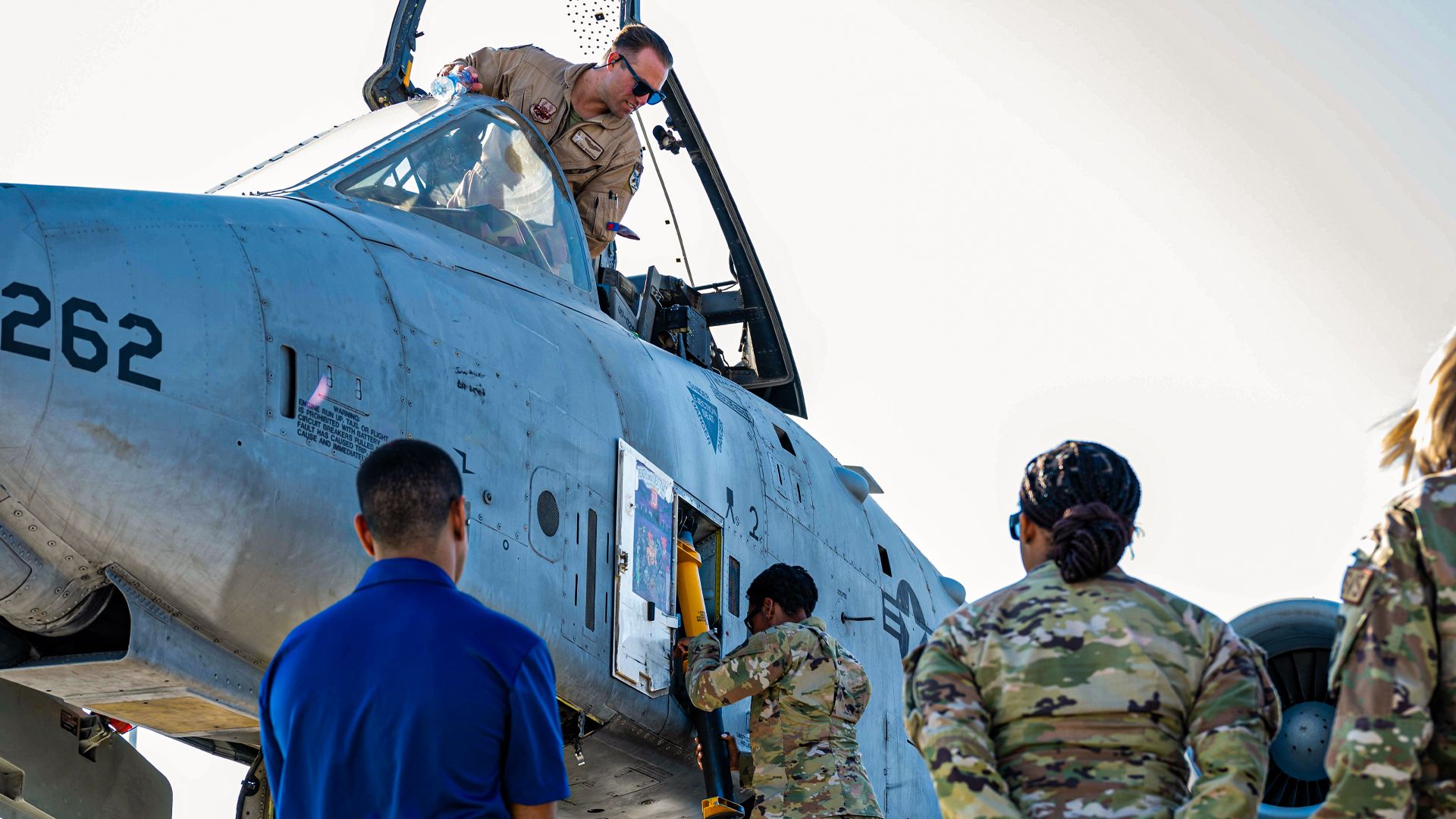
The salary of a US Air Force pilot may appear modest at first glance, but many career officers can surpass six figures within their first decade of service. Regular promotions, benefits, and retention incentives notably enhance the earnings of American military pilots. While their compensation packages are attractive, they still fall short of the financial rewards associated with commercial aviation careers.
In 2026, total compensation for US Air Force pilots will range from approximately $75,000 for new officers to over $200,000 for seasoned aviators. To address a growing pilot shortage, the Air Force has introduced substantial retention bonuses, offering pilots up to $600,000 over 12 years for remaining in service. This translates to an additional $15,000 to $50,000 per year.
A newly commissioned Second Lieutenant (O-1) starts with a monthly salary of around $4,150, equating to approximately $49,800 annually. In contrast, a Captain (O-3) with four years of service earns about $7,380 monthly or $88,560 annually. Pilots receive supplementary monthly pay that increases with experience, starting at $150 and peaking at $1,000 for senior positions.
Beyond salary, the Air Force provides various benefits that significantly reduce living costs. Comprehensive medical coverage is provided at no cost to pilots and their families. Additionally, housing and food allowances are also tax-exempt, enhancing take-home pay compared to civilian salaries. Housing benefits, in particular, can range from $1,800 to over $3,000 monthly, depending on location and family status.
Retirement benefits also play a pivotal role in the financial package for Air Force pilots. The military pension scheme requires less personal investment than many private retirement plans and offers substantial returns after 20 years of service. Pilots can expect to receive a pension that provides over half of their base pay post-retirement.
Comparing Military and Commercial Pilot Salaries
While military compensation is competitive, experienced pilots in commercial airlines, especially legacy carriers like Delta, United, and American Airlines, can earn significantly more. Pay for commercial pilots is often calculated based on hourly flight rates, with guaranteed minimum monthly hours, typically exceeding 70. Senior captains flying international routes can earn upwards of $450 per hour, with total annual compensation for top-tier captains exceeding $550,000 before bonuses.
According to data from the Defense Finance Accounting Service (DFAS) and other credible sources, the following compensation ranges illustrate the stark differences between military and commercial pilots:
– **Military Pilot Compensation:**
– New Hire: $50,000 – $75,000 (2nd Lieutenant)
– Mid-Career (6-10 Years): $110,000 – $120,000 (Major)
– Senior (12+ Years): $150,000 – $200,000+ (Lt. Colonel)
– **Commercial Pilot Compensation:**
– New Hire: $100,000 – $120,000 (First Officer)
– Mid-Career (6-10 Years): $250,000 – $350,000 (Captain)
– Senior (12+ Years): $400,000 – $550,000+ (Widebody Captain)
Regional airlines, which serve as the primary feeder system for major carriers, have responded to the pilot shortage by offering substantial sign-on bonuses, ranging from $15,000 to $200,000. First-year First Officers at leading regional airlines can expect salaries between $90,000 and $120,000 annually.
Many regional airlines are directly owned by major carriers, providing a guaranteed career path with opportunities for promotion to Captain in as little as 2–4 years, a significant advantage over the longer timelines at major airlines.
Advancement and Benefits in Military Aviation
Promotion schedules in the military are highly structured, with officers typically following a predictable timeline. For instance, pilots are promoted from Second Lieutenant (O-1) to First Lieutenant (O-2) after 24 months of service, and to Captain (O-3) after an additional 24 months, totaling four years from commissioning. Promotions to Major (O-4) involve a competitive selection process, often taking between nine and eleven years.
Each promotion comes with an increase in base pay and other compensatory benefits. Notably, military pilots enjoy free educational benefits, allowing them to earn while they train, a significant contrast to civilian flight schools.
Despite the attractive benefits and competitive salaries, military pilots face a challenging career structure. The “Up or Out” policy necessitates advancement through ranks within specific timeframes. If passed over for promotion twice, pilots must separate from active duty. In contrast, commercial pilots have the flexibility to remain in their positions without the pressure of mandatory promotions.
Military pilots are often required to relocate every two to four years and may face lengthy deployments, which can remove them from their families for extended periods. Their responsibilities extend beyond flying; they often take on leadership roles that limit cockpit time, with some pilots spending more time in administrative duties as they advance.
Transitioning from military to civilian aviation is a common path for many Air Force pilots. United Airlines and other carriers actively recruit veterans through programs designed to facilitate this transition. Military pilots, who undergo extensive flight training and accumulate significant flight hours, find themselves well-prepared for commercial aviation roles.
The Federal Aviation Administration (FAA) acknowledges military training as equivalent to civilian requirements. Experienced military pilots only need to pass a written exam instead of a check ride flight test to obtain their civilian certification.
In conclusion, while Air Force pilots earn competitive salaries and benefits, the financial and lifestyle advantages of commercial aviation remain substantial. As the industry grapples with pilot shortages, the lucrative opportunities in commercial roles continue to attract military talent, reinforcing the need for viable pathways between military and civilian aviation careers.