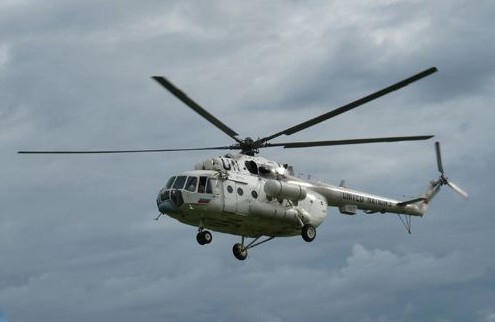
Reports from the United Nations (UN) indicate a troubling increase in abductions, sexual violence, and attacks on civilians in South Sudan. The United Nations Mission to South Sudan (UNMISS) has emphasized that the scale and persistence of these violations may represent serious breaches of human rights. The latest quarterly brief highlights that civilians, especially women and children, are disproportionately affected by ongoing insecurity.
The UNMISS report labels the incidents of abductions and conflict-related sexual violence as “unacceptable” and preventable. It documents a sustained pattern of targeting civilians across various regions, with women and girls facing heightened risks. Sexual violence often occurs during displacement, cattle raids, or while individuals are engaged in daily activities.
In a separate analysis, Human Rights Watch has pointed out that the combination of insecurity, weak legal frameworks, and limited government presence exposes women and girls in South Sudan to a “constant threat.” Despite formal commitments to protect these vulnerable groups under international law, effective protection mechanisms remain largely absent.
One harrowing example from the report recounts the experience of a girl who was abducted as a child. After five years in captivity, she escaped and was reunited with her family through efforts supported by UN initiatives. This case underscores the profound psychological and social harm inflicted on children by abduction, along with the challenges they face in reintegrating into society in fragile post-conflict environments.
The Impact on Aid Workers and Communities
The ongoing crisis of abductions has extended to humanitarian aid workers, who have increasingly become targets. Reports indicate that kidnappings are employed as both a coercive tactic and an economic strategy. In response to the dangers posed to its personnel, Doctors Without Borders announced the suspension of activities in two counties after healthcare staff were abducted. The organization stated that these unacceptable risks not only jeopardize its workers but also deny vulnerable communities essential medical care.
The continued targeting of civilian populations and aid workers raises significant concerns regarding the South Sudanese government’s ability to uphold its obligations under international humanitarian law. The alarming lack of safety for both civilians and those providing aid complicates efforts to deliver necessary services and support in a country already grappling with numerous challenges.
As these reports reveal, the situation in South Sudan remains dire, with urgent action needed to address the rampant violations of human rights and to ensure the safety and security of all individuals, particularly those most vulnerable.