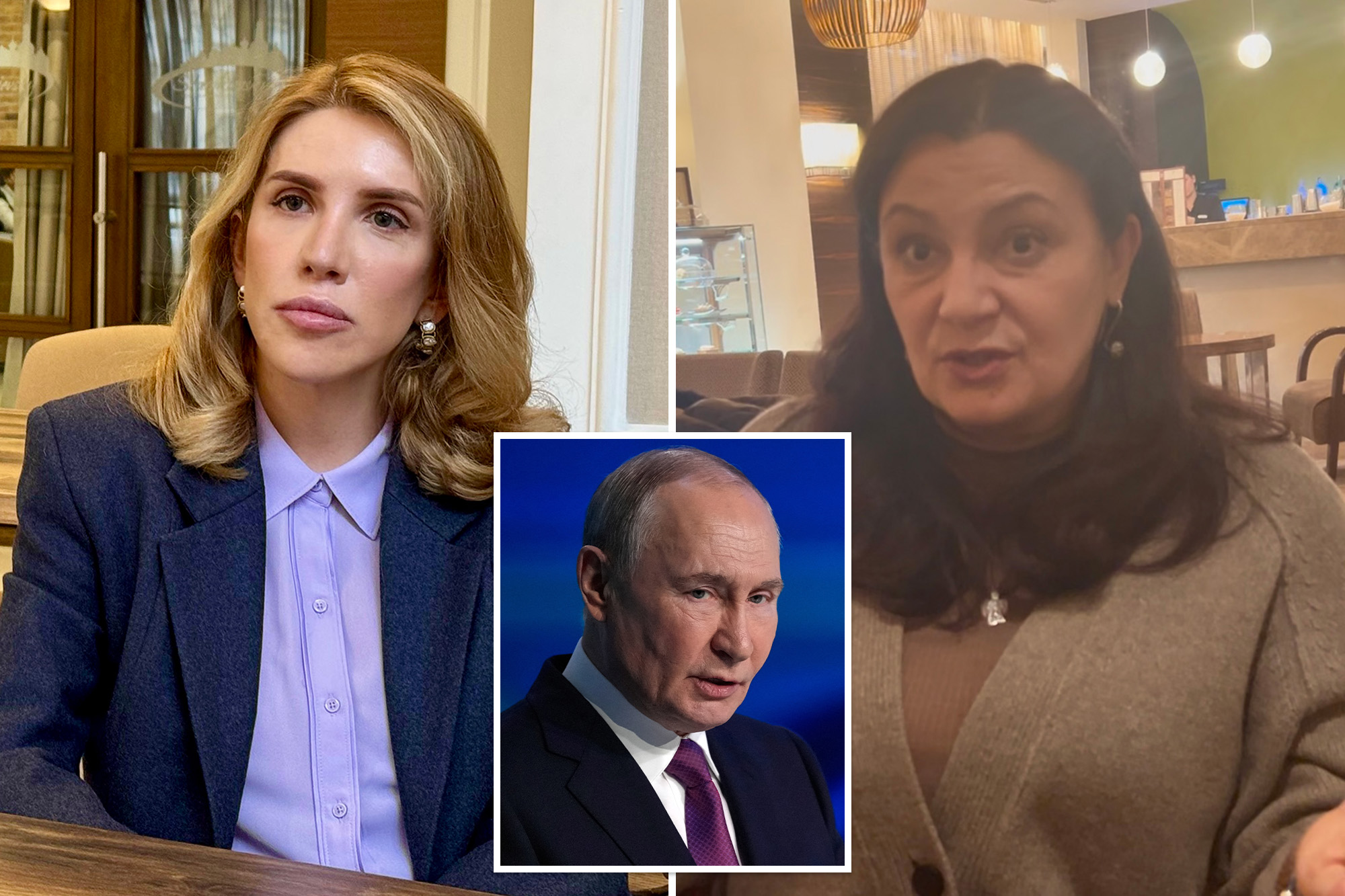
Ukrainian lawmakers have expressed strong opposition to any potential referendum that would cede territory in exchange for peace with Russia. They argue that the public would overwhelmingly reject such a proposal, viewing it as untrustworthy given the long history of conflict with Russia. This sentiment was articulated on Wednesday by Kira Rudik, a member of Ukraine’s parliament representing the opposition Holos party, who emphasized that the core issue at stake is trust, which has eroded after years of war.
Rudik highlighted the skepticism surrounding Russian President Vladimir Putin, stating, “The question that we are constantly asking is, who or what will make sure that Putin will keep his part of the deal?” She noted that since Russia’s initial aggression in 2014, there have been no credible guarantees that Putin would honor any agreement regarding peace.
Another parliament member, Ivanna Klympush-Tsintsadze of the European Solidarity party, echoed these concerns, asserting that Russia’s ultimate aim is to erase Ukraine’s existence, which would only serve to fuel further aggression. “The majority of the Ukrainian population is not ready to give in on any part of Ukrainian territory,” she stated, reinforcing the belief that yielding land would not bring an end to the ongoing conflict.
As diplomatic efforts led by the United States have sought to establish a ceasefire and peace negotiations, pressure on Kyiv to entertain territorial compromises has intensified. In discussions at the Verkhovna Rada, Ukraine’s parliament, Rudik warned that any agreement perceived as capitulation would meet significant public backlash. “The end of the war,” she stated, “is when Russia is weakened to the point where they cannot continue.”
Rudik called for increased support from Western nations, specifically in the form of sanctions, humanitarian aid, and military assistance. “We exceeded expectations in defending ourselves,” she noted, urging that with additional support, Ukraine could significantly shift the dynamics on the battlefield.
Ukrainian skepticism is further compounded by the perceived failure of the United States and the United Kingdom to uphold their commitments under the 1994 Budapest Memorandum, in which they promised to safeguard Ukraine’s sovereignty in exchange for its relinquishing of nuclear arms. Despite non-specific security assurances from the U.S. regarding future invasions, many Ukrainians remain doubtful of their effectiveness.
“The only security guarantee to prevent Russian attacks is for us to get together, ensuring Russia’s strategic defeat and Ukraine joining NATO,” Klympush-Tsintsadze argued, highlighting that NATO membership would be the most effective and economical solution to Ukraine’s security concerns.
While U.S. negotiators assert that Russia would cease its invasion if it gained control of the approximately 15% of the Donbas region it currently does not occupy, the Kremlin has not made any such commitments. Following its February 2022 invasion, Russia annexed the Ukrainian territories of Donetsk, Kherson, Luhansk, and Zaporizhzhia, incorporating them into its constitution.
The proposed U.S.-brokered deal aims to solidify the current frontlines, allowing both Russia and Ukraine to retain control of their respective occupied territories. However, Rudik cautioned that even if this agreement temporarily satisfies Russia, future territorial ambitions are likely. “In two or three years, Putin—or anyone coming after him—will say, ‘You know what? We changed our mind. We’re coming back,’” she warned.
Rudik believes that a referendum framed around ceding territory would likely fail, as Ukrainians would perceive significant risks with no credible assurances in return. “What’s on the other side? Putin’s word? I seriously doubt it,” she remarked.
Furthermore, Rudik questioned the commitment of Western nations to uphold security promises should Russia launch another invasion. “Security pledges that promise military support if Russia attacks again basically mean that if Russia attacks us, those countries will go to war with Russia,” she said, challenging whether any nation is prepared to take that step.
Klympush-Tsintsadze concluded that Putin’s ambitions extend beyond the Donbas, reflecting a desire to recreate the Soviet Union and expand its influence. “We don’t even have to make it up—we just listen to what Putin says,” she emphasized, noting that his long-standing goals threaten the stability of Europe. “It’s about destroying the space of prosperity, development, and strength that has been built over decades on the European continent.”
As the conflict persists, Ukrainian leaders remain resolute in their commitment to defending national sovereignty, adamantly rejecting any notion of territorial compromise that lacks firm guarantees for lasting peace.