The United Kingdom’s military stockpile is under severe strain, with retired British Army Colonel Richard Kemp warning that current munitions could only sustain operations for about one week in the event of intensive conflict. In a recent op-ed for The Telegraph, Kemp criticized the British government for its slow response to what he termed an “unprecedented” demand for military supplies.
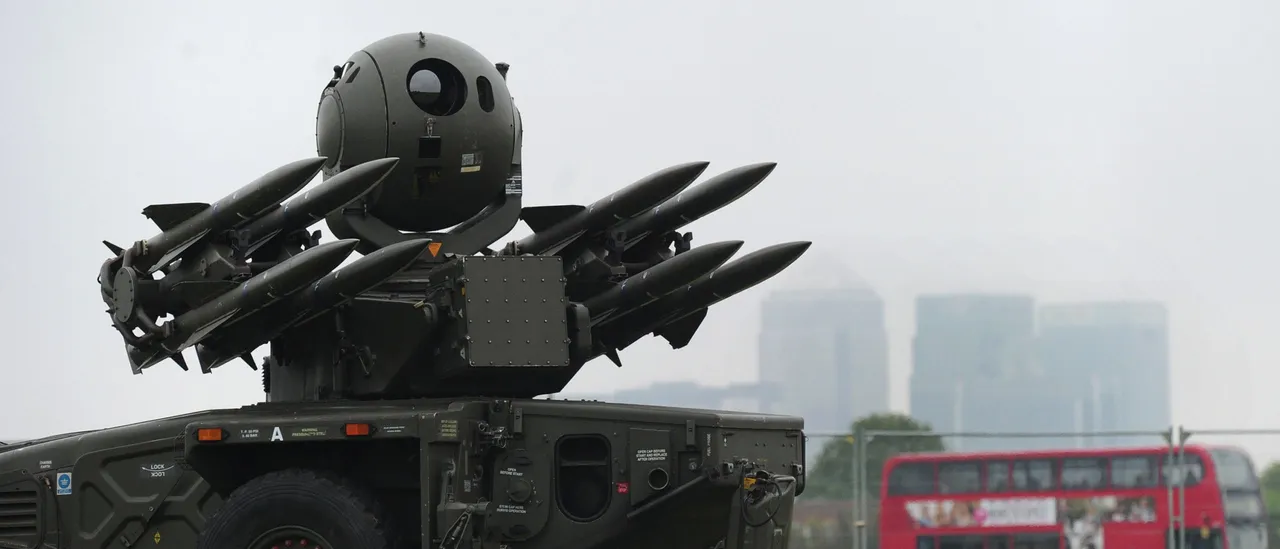
Kemp stated that the UK is “taking its customary plodding approach” to addressing the critical shortages. He pointed out that the country’s munitions, which include everything from rifle bullets and artillery shells to long-range missiles and drones, are at alarming levels. “Knowledgeable observers have suggested that our munitions stocks would see out only about a week of intensive fighting,” he noted, emphasizing the implications of a significantly reduced military force.
The retired colonel highlighted that the British Armed Forces have been “hollowed out” over recent years due to successive government decisions, leaving them ill-equipped for prolonged engagements. “Even the handful of soldiers and tanks we could put into the field would be out of ammo in a matter of days,” he added, underscoring the urgency of the situation.
Government Response and Support for Ukraine
The British government’s commitment to supporting Ukraine in its conflict with Russia has further strained its own military resources. According to Colonel Kemp, the UK’s munitions “cupboards” are “now worryingly bare” after substantial contributions to Ukraine’s defense efforts. A 2025 report from the House of Commons Library indicates that the UK has been one of Ukraine’s principal donors, pledging up to £21.8 billion in total support, including £13 billion for military aid.
In a bid to address domestic shortfalls, the UK government has recently taken steps to enhance its defense production capabilities. In January 2026, defense contractor Lockheed Martin announced a “framework agreement” with the UK’s Department of War aimed at significantly increasing the production capacity of Terminal High Altitude Area Defense (THAAD) interceptors from 96 to 400 interceptors per year.
Additionally, Secretary of War Pete Hegseth introduced procurement reforms in November 2025 designed to attract investment in the defense sector. These measures are part of a broader strategy to revitalize the UK’s military capabilities in light of escalating security challenges.
The situation raises critical questions about the UK’s readiness to respond to emerging threats and the sustainability of its military efforts. With existing stockpiles dwindling and commitments to international partners increasing, the British government faces a pressing need to reassess its defense strategy and resource allocation.
As geopolitical tensions continue to rise, the implications of this munitions shortage extend beyond operational readiness, potentially impacting the UK’s role on the global stage.