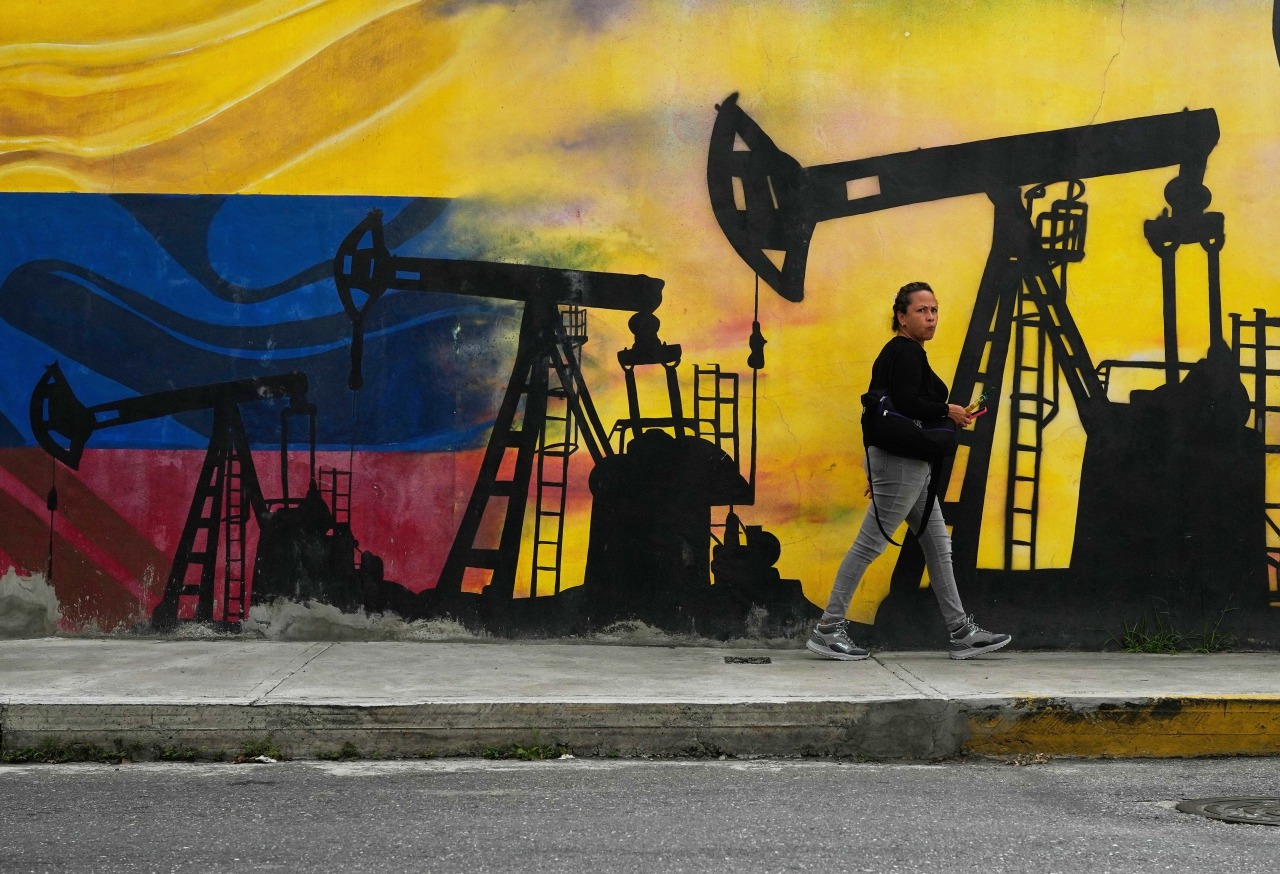
The United States is considering selling Venezuela’s extensive backlogged crude oil supply, a move that could significantly boost the South American nation’s ailing economy. This strategy, advocated by several economists, aims to reduce Venezuela’s economic isolation and provide much-needed funds amid ongoing financial struggles.
According to analyst reports, Venezuela currently holds approximately 1.5 million barrels per day of crude oil that has been stranded due to sanctions and operational issues. The proposal to sell this oil could yield an estimated $20 billion, which would be a substantial infusion of capital for the country, enabling it to address pressing social and economic challenges.
Potential Economic Impact
The economic ramifications of this sale could be profound. Venezuela, once one of the wealthiest nations in Latin America due to its oil reserves, has faced years of decline. Hyperinflation, food shortages, and mass emigration have characterized the recent history of the country. By tapping into its oil reserves, the government could stabilize its economy and improve the living conditions of its citizens.
José Manuel González, a prominent Venezuelan economist, commented on the situation, stating, “Selling this oil is not just about the revenue; it’s about restoring Venezuela’s place in the global market.” The potential revenue could be directed towards infrastructure, healthcare, and social services, which have been severely underfunded.
Moreover, this move aligns with the interests of the United States, which has been looking to alleviate some of the burdens created by its sanctions. By engaging in a sale, the U.S. could foster a more stable economic environment in Venezuela, potentially reducing the flow of migrants seeking refuge in neighboring countries.
Global Oil Market Dynamics
The sale of Venezuelan oil could also influence global oil prices and the dynamics within the Organization of the Petroleum Exporting Countries (OPEC). As countries recover from the economic fallout of the pandemic, there is a growing demand for oil. A reentry of Venezuelan crude into the market could help meet this demand and potentially stabilize prices.
Furthermore, the reactivation of Venezuela’s oil industry may encourage investment from international companies eager to tap into its rich oil reserves. This renewed interest could further bolster the economy, creating jobs and promoting technological advancements in the sector.
As the situation develops, observers will be watching closely to see how the U.S. government navigates the complexities of international relations and economic recovery for Venezuela. The implications of such actions could reshape the landscape of oil production and economic collaboration in the region, potentially lifting Venezuela out of its current economic turmoil.
The proposed sale of Venezuela’s oil is more than just a financial transaction; it represents an opportunity for recovery and a chance to reintegrate into the global economy. With careful implementation and cooperation from all parties involved, this initiative could mark a significant turning point in Venezuela’s future.