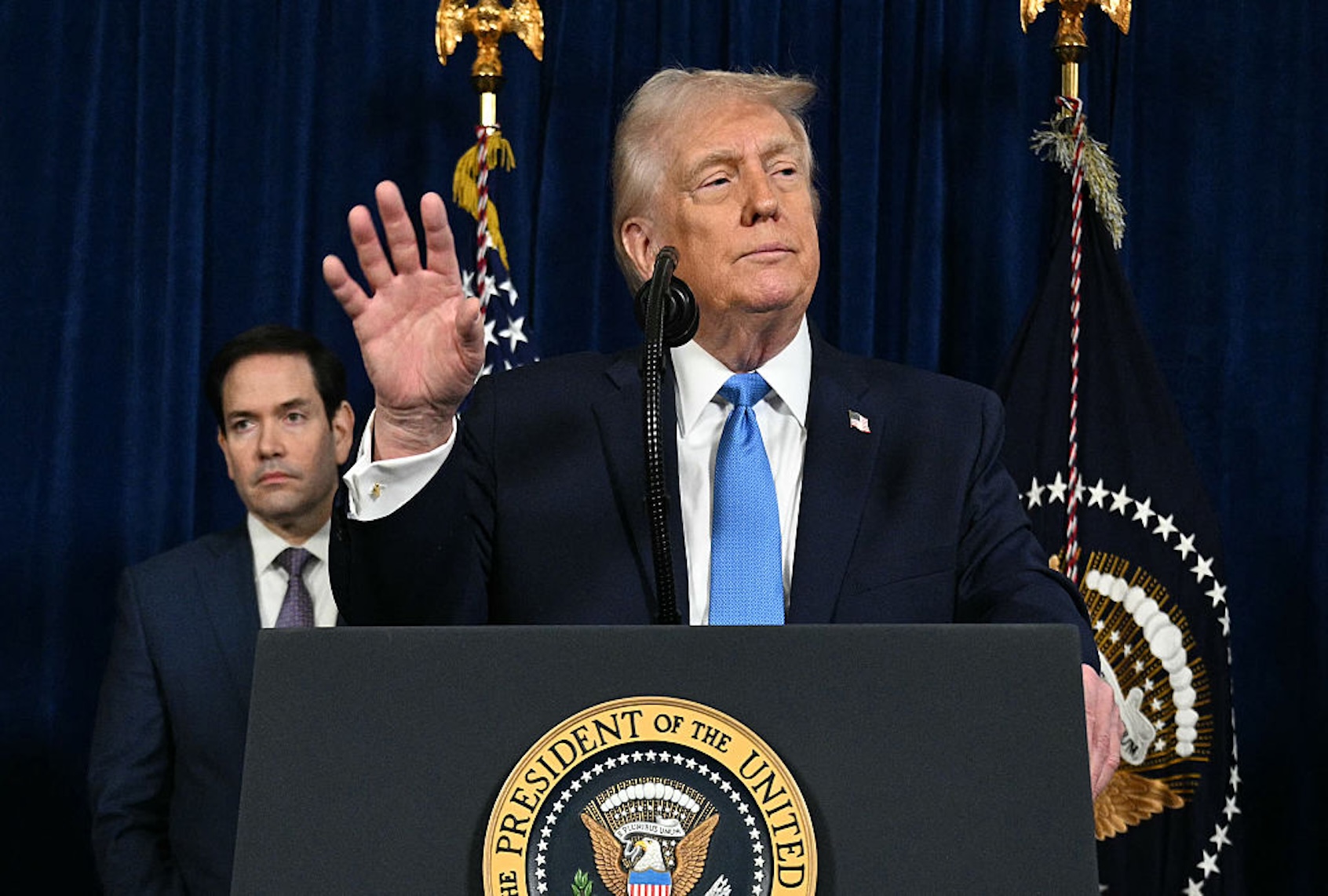
The recent escalation of U.S. military involvement in Venezuela has not only drawn international attention but has also sparked criticism regarding media coverage. President Donald Trump‘s actions against the Venezuelan government, led by President Nicolás Maduro, have raised significant questions about the implications of U.S. foreign policy and the media’s role in shaping public perception.
The situation is not simply a matter of Venezuelan politics or the legitimacy of Maduro’s administration. Rather, it highlights a broader issue: the apparent normalization of U.S. interventionist policies under the Trump administration. Many analysts argue that the media’s portrayal of these events fails to adequately address the implications of a powerful nation asserting the right to invade and control another sovereign state.
The Pentagon’s recent military operation, dubbed Operation Absolute Resolve, has been described by various media outlets in a manner that some critics view as an attempt to sanitize the act of war. Reporting has often framed Trump’s military maneuvers as technical actions or operations, rather than acknowledging them as acts of war, which fundamentally alters the narrative surrounding U.S. involvement in foreign conflicts.
Media’s Role in Framing U.S. Actions
Historical parallels to previous military interventions, such as the U.S. invasion of Iraq in 2003, are evident. In that instance, former President George W. Bush justified military action through claims of weapons of mass destruction, which later proved unfounded. Similarly, Trump has cited electoral illegitimacy and corruption as reasons for his actions against Venezuela, yet many view these justifications as lacking substantive legal or moral grounding.
Media outlets, including the New York Times and the Washington Post, have faced scrutiny for their reporting on these developments. Reports indicate that both publications were aware of Trump’s plans prior to the military operation but chose to withhold information to avoid jeopardizing U.S. troops. Critics argue that such decisions contribute to a dangerous precedent where the media inadvertently assists in normalizing aggressive foreign policy.
The New York Times editorial board did label the invasion as “illegal and unwise,” acknowledging its significance. However, its news coverage did not consistently reflect this stance. In contrast, the Washington Post published an editorial that praised the operation as a “bold move,” which has raised eyebrows regarding its alignment with Trump’s rhetoric.
Concerns Over Consequences and Accountability
The consequences of military actions are profound and often long-lasting. The fallout from the Iraq War serves as a cautionary tale, demonstrating the potential for instability and violence that can arise from regime change efforts. The American media’s previous complicity in facilitating narratives around military interventions has left many questioning the current approach to coverage of Trump’s actions in Venezuela.
Trump’s remarks aboard Air Force One emphasize his view of the situation as one rooted in the U.S. sphere of influence, invoking the historical Monroe Doctrine to justify intervention in the Western Hemisphere. This perspective raises concerns about future military engagements, as Trump has indicated possible actions against other nations, including Mexico and Cuba.
Amidst this backdrop, the lack of transparency from the Pentagon regarding the operation’s details is troubling. Critics have noted the absence of press briefings that would typically accompany such significant military actions, complicating efforts to ascertain the full impact of the operation on Venezuelan citizens.
The ongoing discourse surrounding Trump’s military strategy in Venezuela underscores the importance of rigorous media accountability. As the situation develops, the role of the media in framing these complex narratives will be crucial in shaping public understanding and response to U.S. foreign policy. The challenge remains for journalists to provide comprehensive and critical coverage that can inform citizens about the implications of military actions and the principles that govern international relations.