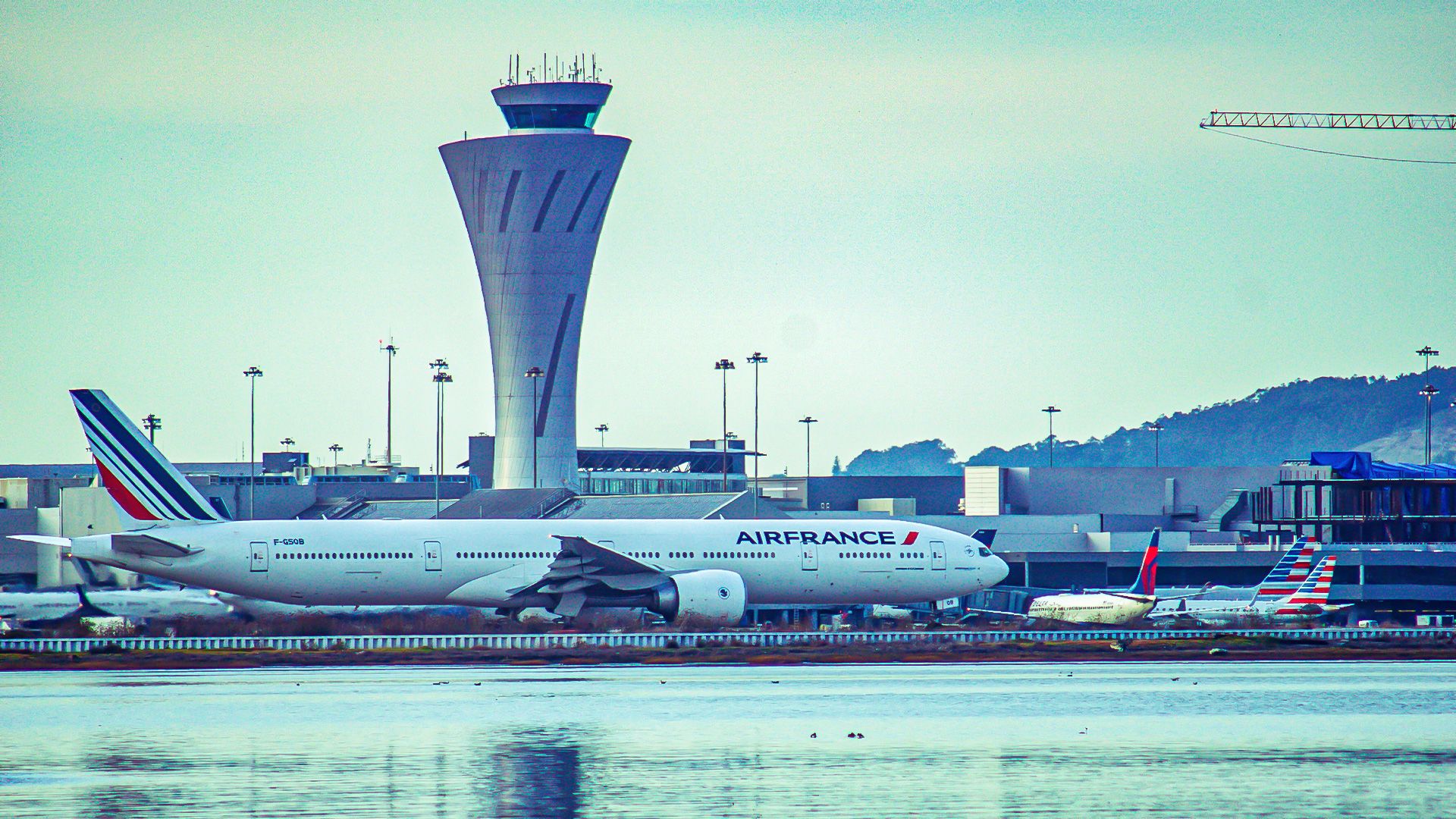
The United States has initiated a significant upgrade to its air traffic control (ATC) system, aimed at addressing longstanding issues of flight delays and outdated equipment. The Department of Transportation (DOT) and the Federal Aviation Administration (FAA) have awarded a contract worth up to $32.5 billion to Peraton, tasked with modernizing ATC technology nationwide. This contract is seen as a critical step in improving the reliability and capacity of air travel in the country, which has been plagued by inefficiencies and systemic problems.
Details of the Modernization Contract
The contract, described as the largest aviation infrastructure project in decades, includes an initial payment of $12.5 billion, funded through the infrastructure plan known as President Donald Trump’s “One Big Beautiful Bill.” The remaining funds will require approval from Congress. According to Sean Duffy, the Secretary of Transportation, the project is expected to be completed by the end of 2028.
Peraton’s role as the prime integrator involves overseeing the entire modernization process, marking a departure from the traditional model where the FAA directly managed such projects. The contract includes incentives for timely performance and penalties for delays, a unique approach in the U.S. aviation sector. The FAA began soliciting proposals for this initiative in August 2025, with Peraton selected due to its expertise in complex technology integration and previous successes with government projects.
The Importance of Modernization
The FAA has reported a troubling increase in flight delays, with 2025 witnessing three times the average minutes lost to ATC equipment failures compared to the years 2010 to 2024. Issues like blackouts at the Philadelphia TRACON facility have highlighted the urgent need for upgrades. Much of the existing equipment, including radars and radios, is decades old, contributing to operational inefficiencies.
With the modernization project, the FAA aims to replace outdated equipment and enhance overall air traffic management. This overhaul is expected to not only reduce delays but also increase airport capacity, which is crucial as flight demand continues to rise. The upgrades will include:
– 5,170 new high-speed network connections
– 435 new Enterprise Information Display Systems
– 27,625 new radios
– 113 new Tower Simulation Systems
– 462 new digital voice switches
– New weather stations and camera sites in Alaska
These enhancements are fundamental to improving the reliability and safety of American air travel.
Despite the ambitious plans, skepticism remains regarding the feasibility of the 2028 deadline. Retired air traffic controller Steve Meitz expressed doubts, stating, “Three years is a pipe dream. The FAA’s track record is far from stellar.” The complexities of coordinating numerous suppliers and federal agencies could lead to further delays.
As Peraton begins its role, the FAA has already taken steps to replace a significant portion of the outdated infrastructure, including one-third of the country’s copper wires with modern fiber optics. This proactive approach aims to mitigate some of the immediate challenges while the larger modernization project unfolds.
Challenges Ahead for U.S. Air Traffic Control
Updating the U.S. air traffic control system is a colossal task due to the vast and intricate nature of the network. Many facilities require upgrades, and historical patterns suggest that government projects often face delays and budget overruns. The integration of a private firm like Peraton into this process is unprecedented and raises questions about accountability and performance monitoring.
Congress will play a crucial role in determining the project’s funding future, as an estimated $20 billion will be needed for continued work. The performance of Peraton will be closely scrutinized, as its success or failure could have lasting implications for air travel in the United States.
Beyond the equipment modernization, the FAA is also addressing staffing shortages, with plans to hire 8,900 new air traffic controllers by 2028. This initiative aims to alleviate the pressure on existing staff, who often work extended hours due to understaffing.
While the modernization of air traffic control equipment is a critical step, it does not resolve all challenges facing the aviation industry. Many airports, especially older ones, are limited in their capacity for expansion, complicating efforts to meet rising flight volumes.
The ongoing efforts by the DOT and FAA reflect a growing recognition of the need for a comprehensive approach to improve American aviation. The focus must remain on safety, efficiency, and long-term sustainability to ensure that the U.S. air traffic control system can adequately serve the needs of the future.