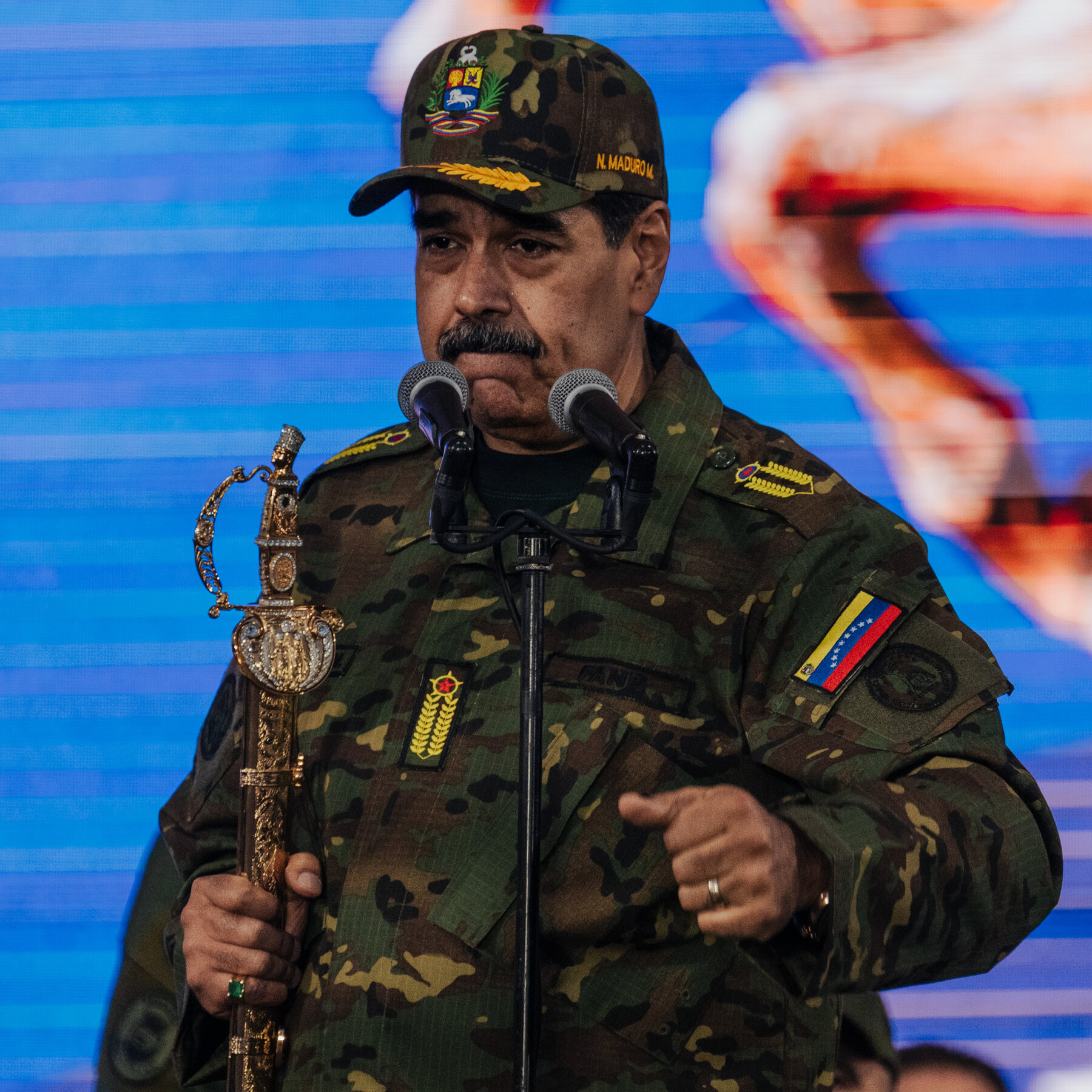
The United States has indicted Venezuelan President Nicolás Maduro on charges related to cocaine smuggling. The indictment, issued by the U.S. Department of Justice in early March 2024, claims that Maduro and other top Venezuelan officials are involved in a vast drug trafficking operation. This significant legal action underscores the U.S. government’s ongoing scrutiny of Venezuela’s political leadership and its alleged connections to organized crime.
According to the indictment, Maduro and his associates have played a role in facilitating drug trafficking networks that primarily channel cocaine from Colombia through Venezuela and into international markets, notably Europe. This assertion raises questions about Venezuela’s status as a drug transit country. Experts suggest that while the nation is implicated, its role in global cocaine production is relatively limited compared to other countries in the region.
Understanding Venezuela’s Drug Trade Position
Venezuela has been described by experts as a minor cocaine transit country. Despite the serious allegations presented in the indictment, analysts emphasize that the country does not produce large quantities of cocaine. Instead, it serves as a conduit for drugs originating from Colombia, the world’s largest cocaine producer.
The U.S. Drug Enforcement Administration (DEA) has noted that the majority of the cocaine that transits through Venezuela is destined for European markets. This trend highlights the complex dynamics of drug trafficking in the region, where geopolitical factors and economic instability contribute to the challenges faced by law enforcement.
The indictment details a range of illicit activities, suggesting a sophisticated network involving not just drug trafficking but also corruption and collusion among high-ranking officials. These allegations align with a broader narrative of governance issues in Venezuela, where the political climate has been marred by accusations of human rights violations and economic mismanagement.
International Reactions and Implications
The U.S. government’s charges against Maduro have drawn mixed reactions from the international community. Some nations express support for the U.S. stance, arguing that it reinforces the need for accountability in governance. Others view the indictment as a politically motivated move that exacerbates tensions between the U.S. and Venezuela.
The legal consequences of the indictment could be significant, not only for Maduro but also for the broader Venezuelan leadership. Should U.S. authorities pursue extradition, it could lead to a diplomatic crisis, especially given Maduro’s long-standing opposition to U.S. policies and his claims of sovereignty.
Furthermore, the indictment may impact Venezuela’s relationships with other countries, particularly those that have historically allied with Maduro. As the U.S. intensifies its focus on drug trafficking and corruption, the implications for international diplomacy and regional security could be profound.
In conclusion, the indictment of Nicolás Maduro on cocaine smuggling charges highlights ongoing concerns regarding drug trafficking in Venezuela. While the U.S. claims a significant connection to international drug networks, experts stress that the reality of Venezuela’s role is more nuanced. As the situation unfolds, the focus will likely remain on the intersection of politics, crime, and international relations.