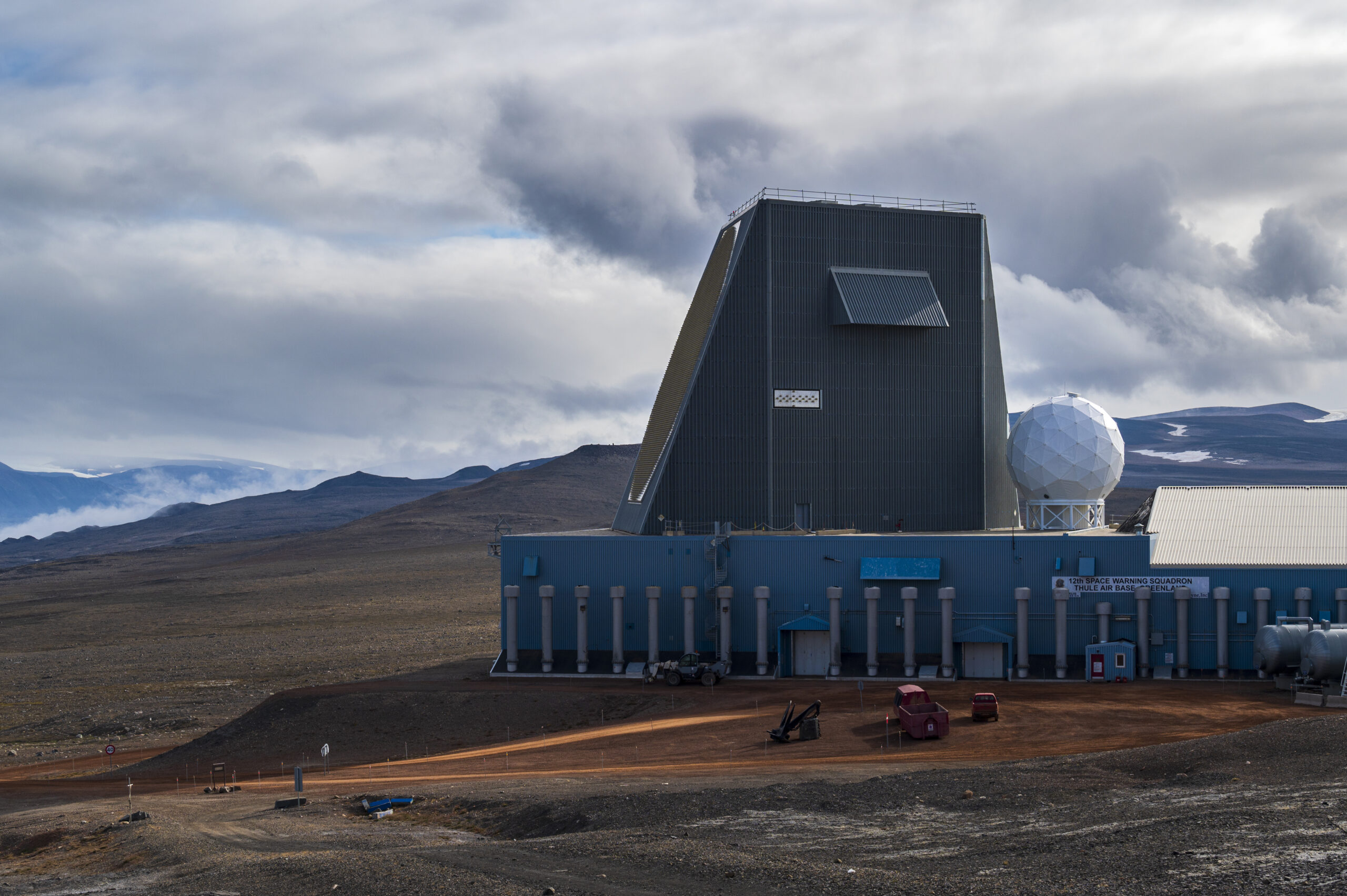
The discussion surrounding the potential acquisition of Greenland by the United States has intensified, particularly in relation to missile defense strategies. President Donald Trump has suggested that controlling Greenland is essential for protecting the U.S. against missile threats. Critics argue that this acquisition is unnecessary and could undermine national security instead.
Central to the debate is the proposed Golden Dome missile defense system, which aims to shield the U.S. from various threats, including ballistic missiles and drones. Despite its ambitious goals, details about the system remain sparse. In a fiscal defense appropriations bill, House and Senate appropriators highlighted challenges due to insufficient budgetary information, restricting their ability to evaluate resources for the 2026 Golden Dome efforts. The appropriators did express support for the program’s operational objectives related to national security.
Greenland is mentioned in the U.S. National Defense Strategy as a crucial location for military access. The U.S. military has had a historical presence in Greenland, dating back to World War II and the Cold War. The Golden Dome system is intended to create a multilayered defense encompassing existing missile defense elements, including the Ground-based Midcourse Defense (GMD) system. This system is designed to protect against Intercontinental Ballistic Missiles (ICBMs) and would involve multiple interceptor layers, including land-based and space-based components.
Flexibility in Military Agreements
The military agreement between the U.S. and Denmark, established in 1951, provides flexibility for enhancing military capabilities in Greenland. It allows the U.S. to improve areas for military use and to operate necessary facilities. This agreement has precedent; for instance, the George W. Bush administration secured approval from the Danish parliament in 2004 for upgrades to existing radar systems.
While there is a possibility of expanding military infrastructure in Greenland to accommodate the Golden Dome plans, current U.S. military capabilities render such an expansion unnecessary. The U.S. currently operates 44 GMD interceptors stationed in Alaska and California. Funding is also allocated for a new site at Fort Drum, New York, which meets strategic needs without necessitating a presence in Greenland.
The GMD system has not seen an increase in fielded interceptors for over two decades, primarily focusing on upgrades rather than new deployments. Forcibly annexing Greenland, therefore, does little to enhance U.S. national security and may instead strain relationships with NATO allies. Such actions could jeopardize the military alliances that have been beneficial for over 70 years.
Concerns About Space Militarization
The Space Force has emphasized the importance of international partnerships in achieving its goals. Chief of Space Operations General Chance Saltzman stated, “Spacepower is the ultimate team sport,” highlighting that collaboration is essential for securing national interests in space. The proposed Golden Dome system has raised concerns regarding its high costs, technical challenges, and potential implications for the militarization of space.
Experts such as Victoria Samson from the Secure World Foundation have voiced opposition to using the defense system as justification for territorial claims over a NATO ally. The complexities surrounding the Golden Dome initiative should not be leveraged to undermine diplomatic relations or military alliances that have historically supported U.S. interests.
In conclusion, while the idea of acquiring Greenland may be presented as a strategic necessity for enhancing U.S. defense capabilities, the implications of such a move could be detrimental to national security and international relations. The focus should remain on strengthening existing partnerships rather than pursuing aggressive territorial acquisitions.