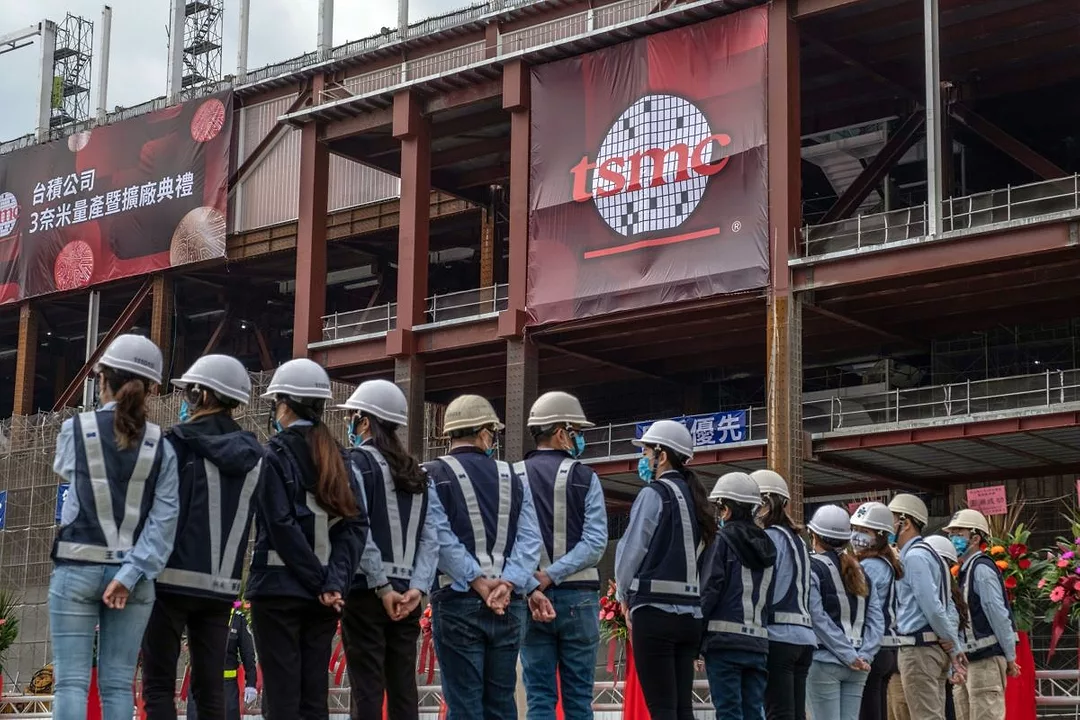
The United States and Taiwan have reached a significant trade agreement, announced on January 15, 2025. This deal includes a commitment from Taiwan to invest $250 billion in semiconductor and technology manufacturing in the U.S. in exchange for reduced tariffs on imports from Taiwan. This agreement marks the culmination of months of negotiations focused on Taiwan’s pivotal chip-making industry, which plays a crucial role in the global technology supply chain.
Details of the Agreement
The negotiations, which extended over a period of nine months, were marked by frequent discussions between the two sides. The Taiwanese delegation, led by Vice Premier Cheng Li-chiun and Chief Trade Representative Yang Jen-ni, made multiple trips to Washington, D.C., engaging in six rounds of talks since April 2025. The White House has characterized the finalized agreement as a step towards “restoring American semiconductor manufacturing leadership.”
The New York Times highlights the challenges Taiwanese officials now face in promoting the deal domestically. There are concerns that reallocating resources to chip manufacturing in the United States could undermine Taiwan’s own semiconductor industry, which is considered a cornerstone of its economy and a protective barrier against potential claims from China.
From the U.S. perspective, Taiwan’s dominance in producing advanced semiconductors presents a strategic vulnerability. These chips are essential for various critical sectors, including defense and computing. Taiwan holds one of the largest trade deficits with the United States, with chips and electronics comprising 90% of that deficit, according to Taiwanese officials.
Investment and Tariff Adjustments
In addition to the substantial investments by Taiwanese companies, the agreement stipulates that Taiwan’s government will provide an additional $250 billion in credit guarantees. This funding aims to support smaller firms within the chip supply chain as they expand operations in the United States. In return, the Trump administration has agreed to lower the U.S. tariff rate on Taiwanese goods from 20% to 15%.
Commerce Secretary Howard Lutnick emphasized the importance of this initiative during a television interview, stating, “We are going to bring it all over so that we become self-sufficient in the capacity of building semiconductors.” This statement reflects the broader aim of enhancing domestic semiconductor production capabilities while maintaining strong ties with Taiwan.
As both nations move forward with the implementation of this agreement, the potential impacts on the global semiconductor market and the economies of both the United States and Taiwan will be closely monitored. The strategic significance of this deal underscores the intertwined futures of these two economies in an increasingly competitive global landscape.