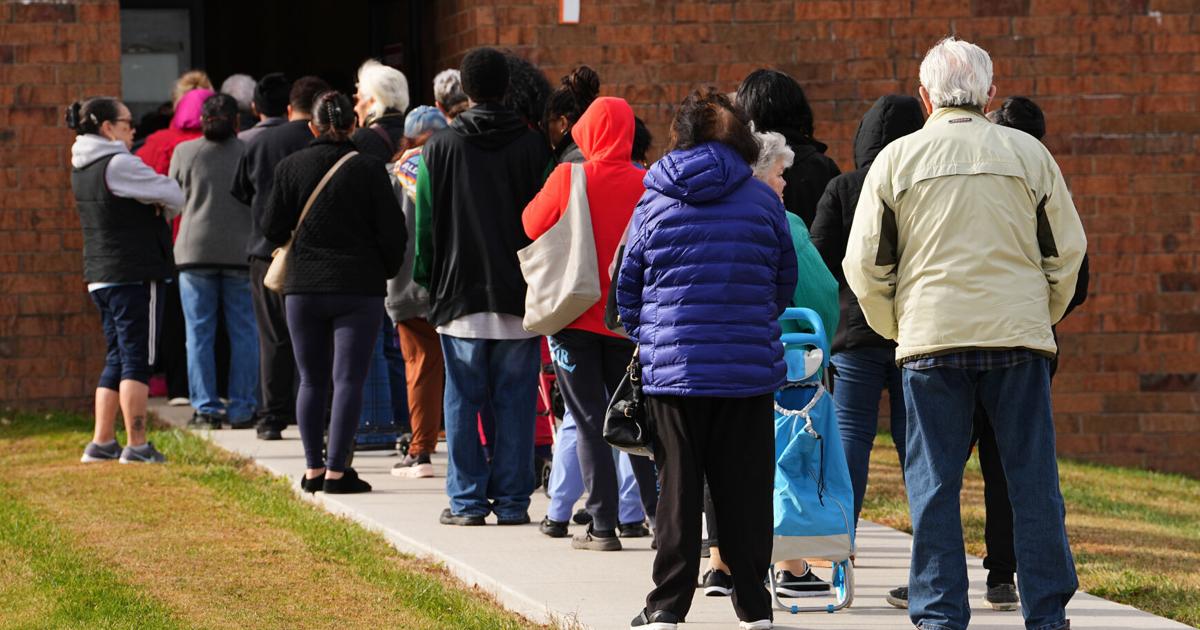
The Trump administration has formally requested that the Supreme Court of the United States intervene and halt a recent ruling that mandates full payments for the Supplemental Nutrition Assistance Program (SNAP). This decision has significant implications for millions of Americans reliant on food assistance, particularly during challenging economic times.
The appeal comes after a federal court ruled that the U.S. Department of Agriculture must provide full SNAP benefits to eligible recipients, a directive aimed at ensuring that low-income families receive adequate nutritional support. The administration argues that the ruling could impose undue financial burdens on state budgets and disrupt the program’s funding structure.
Financial Implications of the Ruling
According to estimates from the U.S. Department of Agriculture, the full implementation of this order could lead to an increase in SNAP expenditures by approximately $1.3 billion over the next fiscal year. This potential financial strain raises concerns among state officials who fear that elevated costs may lead to cuts in other essential services, such as education and healthcare.
The administration’s appeal emphasizes the importance of maintaining a balance in funding across various state programs. It argues that while food assistance is crucial, the financial sustainability of the program must also be considered. By seeking intervention from the Supreme Court, the Trump administration aims to protect both the integrity of SNAP and the fiscal health of state budgets.
Support and Opposition
Supporters of the ruling argue that full SNAP payments are vital for food security, especially as inflation continues to affect household purchasing power. They contend that adequate nutrition is essential for public health and economic productivity. Organizations such as the Center on Budget and Policy Priorities have voiced strong opposition to the administration’s appeal, stating that limiting SNAP benefits undermines efforts to combat hunger and poverty.
Conversely, critics of the ruling, including several state governors, express concern about the unintended consequences of increased SNAP funding. They argue that the ruling fails to account for the broader economic context and the need for fiscal prudence.
As the Supreme Court considers the appeal, the outcome will not only impact SNAP beneficiaries but will also set a precedent for future federal and state funding decisions. The court’s ruling, expected in the coming months, could reshape the landscape of food assistance programs across the United States.
This ongoing legal battle highlights the complexities of welfare policy in a time of economic uncertainty. The administration’s appeal underscores the challenges policymakers face in balancing immediate needs with long-term fiscal responsibility.