A notable shift in global tourism dynamics has emerged as several countries experience rising anti-tourism sentiments. As visitors flock to popular destinations, local populations express concerns over the negative impacts on their communities. Recent events highlight how tourism, once a celebrated economic driver, now creates tension in various regions worldwide.
Spain’s Anti-Tourism Protests
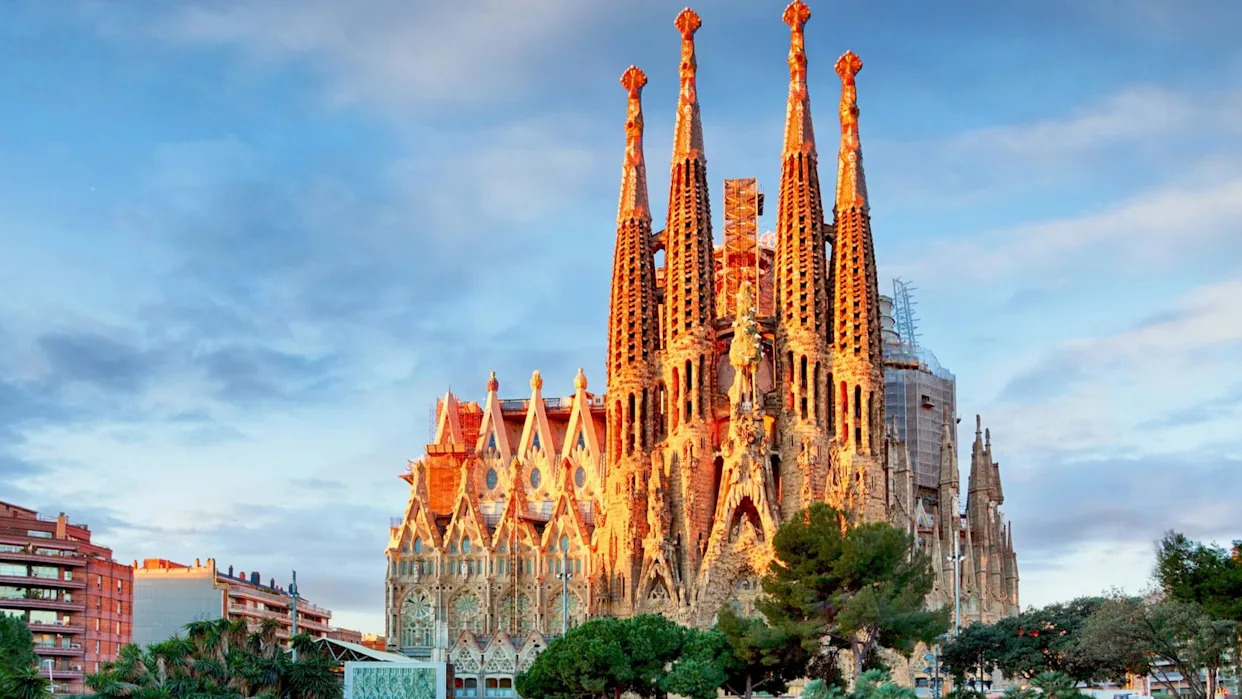
In July 2024, a significant protest occurred in Barcelona, where thousands marched down La Rambla, brandishing signs that read “Tourism kills the city” and “Tourists go home, you are not welcome.” Some demonstrators even resorted to using water pistols to disrupt tourists dining at outdoor restaurants. The protests reflect a growing discontent among residents, particularly as Spain welcomed approximately 42.5 million tourists in the first half of 2024, a stark increase of 11.5% from 2019 and 13.3% from 2023. This influx has overwhelmed local infrastructure and driven up housing costs, leading to similar protests across Spain, including in Cadiz and Lanzarote.
Amsterdam’s Government-Led Deterrent Campaign
In a bid to manage rising tourist numbers, Amsterdam’s city government launched a “Stay Away” campaign targeting British tourists, particularly those seeking party weekends. The campaign included videos depicting young men being arrested for unruly behavior. Despite the initiative, data suggests it failed to significantly deter British visitors. In March 2024, the city further intensified its efforts with an online survey dubbed “Amsterdam Rules,” aimed at promoting responsible tourism.
Japan’s Overtourism Challenge
Japan faces a significant challenge with overtourism as international visitors surged to approximately 36.87 million in 2024, marking a 47.1% increase from the previous year. According to data from the Japan National Tourism Organization (JNTO), visitors from South Korea, China, Taiwan, and Hong Kong accounted for 60% of arrivals in October. In response, Kyoto’s newly elected mayor, Koji Muramasa, has taken measures against overtourism. The city recently prohibited tourists from entering private alleys in Gion, addressing complaints that the area felt more like a theme park than a neighborhood.
Venice Implements Tourist Fees
In April 2024, Venice introduced a €5 fee for day-trippers in an effort to regulate tourist behavior. Protesters responded by marching through the city’s narrow streets, carrying banners that read “Welcome to Veniceland” and “No to the ticket.” The move follows a ban on cruise ships docking in the city center, reinforcing Venice’s status as a symbol of Europe’s overtourism crisis. The frustrations of residents have grown as they navigate daily life amidst the influx of visitors.
Turkey’s Political Unrest and Travel Concerns
Political tensions in Turkey have led to heightened travel concerns, particularly in Istanbul, where protests have become commonplace. Authorities have imposed travel restrictions due to ongoing demonstrations that can turn violent. A 2024 survey by the UNHCR revealed that 77% of respondents in Turkey supported closing borders to refugees, showcasing the country’s complex social climate.
Croatia’s Rising Restrictions
In Croatia, the city of Split has implemented measures to combat antisocial behavior among tourists, including fines of up to €300 for acts like public urination or climbing on monuments. These actions signal a growing frustration among locals regarding disrespectful tourist behavior toward cultural heritage.
Political Tensions in Iran
Despite its rich cultural heritage, Iran’s political climate can dissuade potential visitors. Strained relations with many Western nations contribute to perceptions of an unwelcoming environment. Government policies and the threat of sudden unrest further complicate the travel experience, deterring tourists who might otherwise appreciate the warmth of the Iranian people.
North Korea’s Strict Regulations
North Korea’s tightly controlled environment presents unique challenges for tourists. With strict regulations governing visitor movements and photography, many travelers experience discomfort. Currently, US citizens are banned from traveling to North Korea following the incident involving Otto Warmbier, which has further soured perceptions of tourism in the country.
Bureaucratic Challenges in Russia
Russia, despite its cultural richness, poses significant bureaucratic hurdles for tourists. Stringent visa requirements and geopolitical tensions create an environment that can be daunting for international visitors. The ongoing geopolitical situation complicates travel plans for many, further emphasizing the challenges faced by countries balancing economic needs with resident concerns.
The global tourism landscape has undeniably shifted. The once-warm welcomes in many destinations are now overshadowed by the necessity of balancing tourism revenue with the well-being of local communities. As these nine countries illustrate, the challenge lies in finding a sustainable path forward that respects both tourists and residents alike.