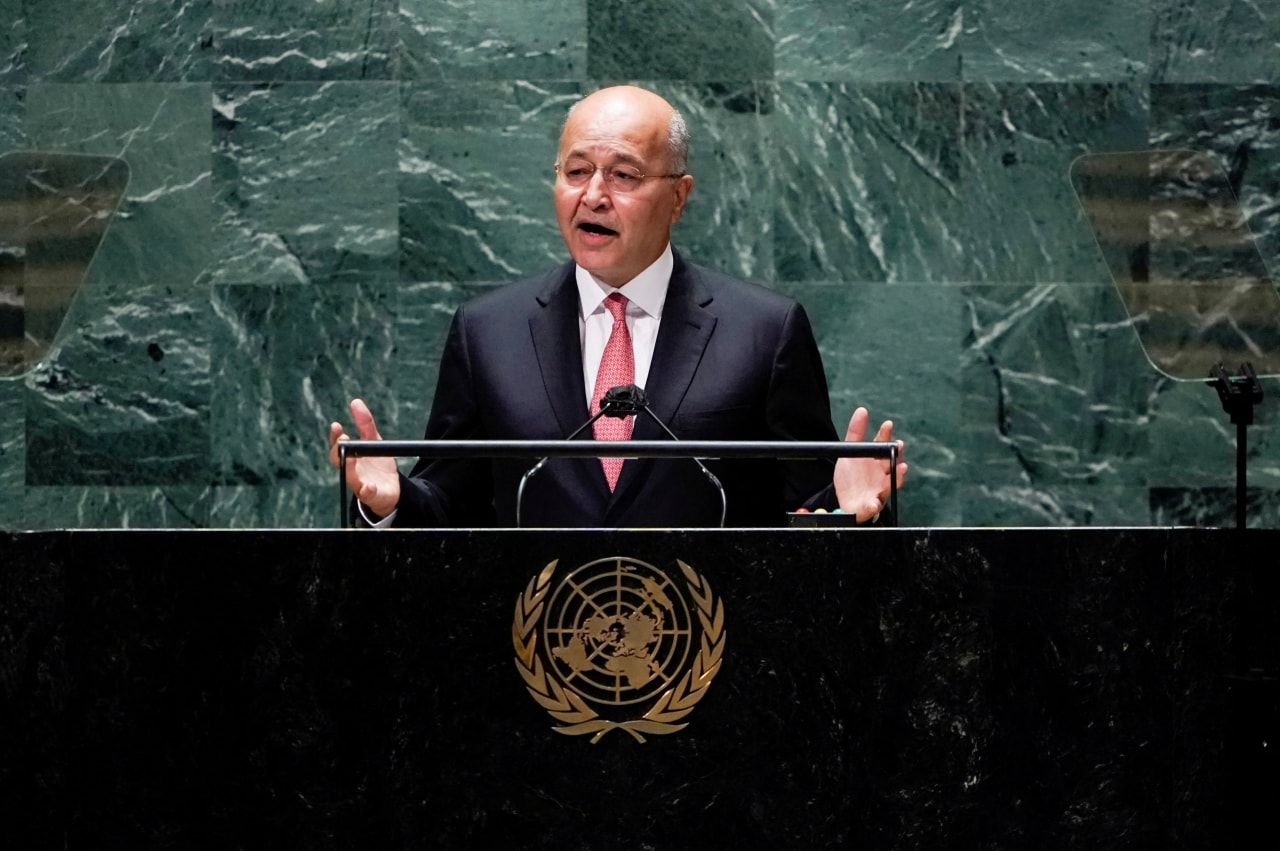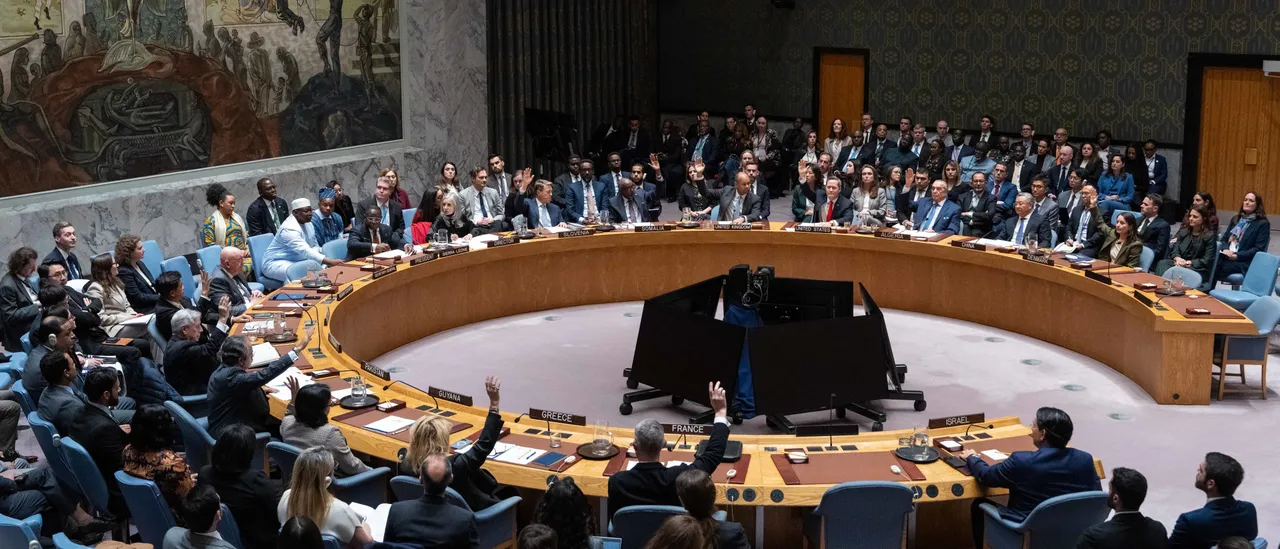
Somalia will take over the presidency of the United Nations Security Council in January 2026, marking a significant moment for the Horn of Africa nation. This role will allow Somalia to lead discussions on international peace and security for one month, as part of the council’s established rotation system.
The presidency rotates among the 15 member nations of the Security Council according to Rule 18 of the council’s Provisional Rules of Procedure. This rule mandates that the presidency be held in English alphabetical order, with each member serving for a period of one calendar month. Somalia is currently a non-permanent member of the council, a position it will hold until December 31, 2027.
In this role, Somalia will set meeting agendas, preside over key sessions, and facilitate debates that address pressing global issues. While the position is primarily procedural, it offers Somalia a platform to advocate for African security priorities. According to Garowe Online, diplomats anticipate that Somalia will focus on vital topics such as peacekeeping operations, counterterrorism efforts, and addressing humanitarian crises exacerbated by conflict and climate challenges in the region.
The timing of Somalia’s presidency is particularly noteworthy, as the nation continues to confront significant internal security challenges, particularly from Al-Shabaab, an affiliate of al-Qaeda that has managed to control substantial territory within the country. The government in Mogadishu relies heavily on international assistance and foreign peacekeepers to establish security, highlighting a stark contrast between its domestic instability and its temporary leadership in global security discussions.
Critics have raised concerns regarding the implications of a nation facing such security issues taking the helm of the UN’s top security body. Nevertheless, the rotation system has been consistently applied since the Security Council’s inception in 1946, ensuring that each member, regardless of their internal circumstances, receives the opportunity to lead.
Currently, Slovenia holds the presidency for December 2025, with the United Kingdom set to follow Somalia in February 2026. As Somalia prepares for its leadership role, the international community will be watching closely to see how it navigates the complexities of global security while addressing its own challenges.