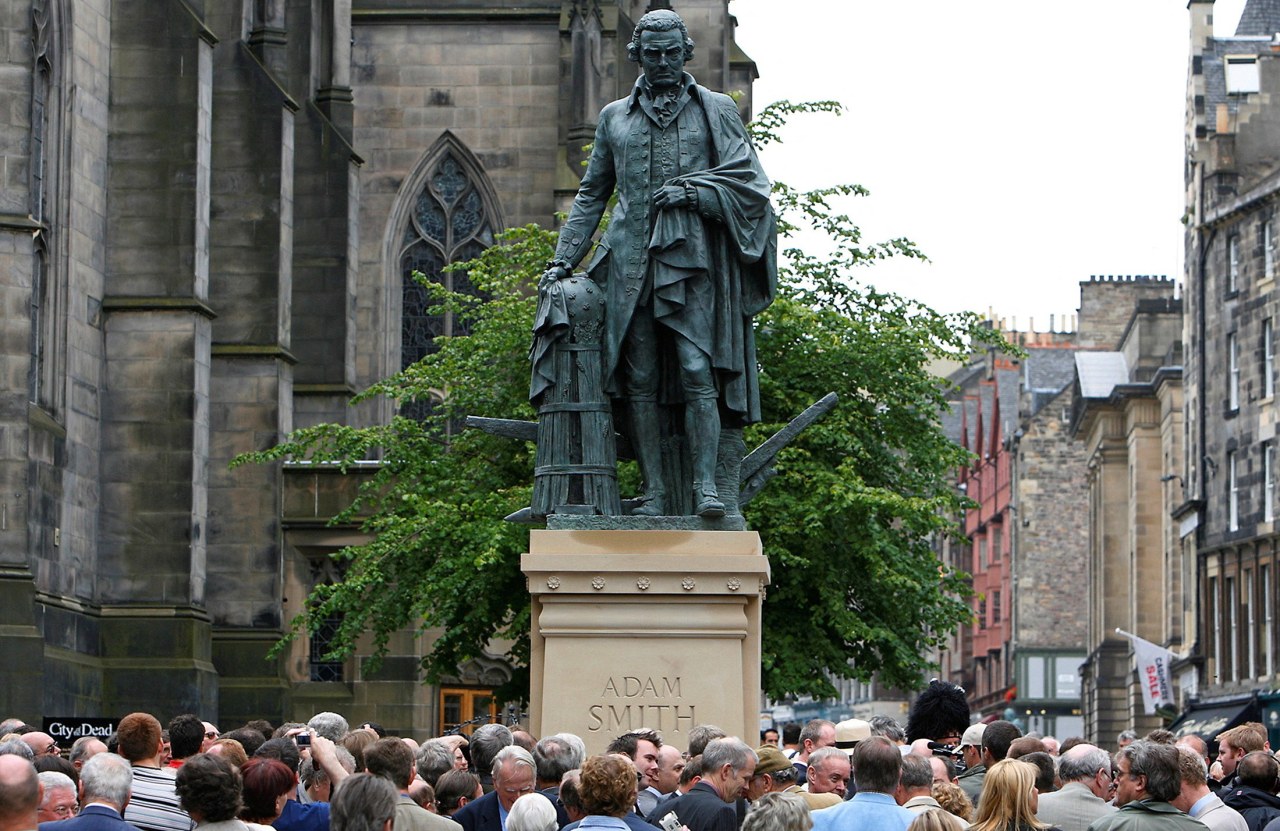
The prospect of a new Scottish Enlightenment is gaining traction, as prominent commentators engage in discussions about the evolution of thought and ideas in Scotland. Fraser Nelson, editor of *The Spectator*, responds to critiques from Barton Swaim and Allan Massie regarding the potential for a revival of this intellectual movement. He argues that the conditions in Scotland today may indeed be ripe for a renaissance reminiscent of the 18th century.
In his reply, Nelson acknowledges the historical significance of the original Scottish Enlightenment, which produced influential thinkers like David Hume and Adam Smith. He suggests that contemporary Scotland is experiencing a similar awakening, driven by a desire for innovative ideas and a reevaluation of traditional values. This intellectual resurgence, he believes, could significantly impact political discourse and cultural identity in the region.
Engaging the New Scottish Identity
Nelson’s commentary highlights the changing landscape of Scottish politics and society. He notes that the Conservative Party has begun to embrace a more open and inclusive dialogue, reflecting the diverse perspectives of the Scottish populace. The increasing relevance of issues such as climate change, social justice, and economic inequality is prompting new discussions that echo the inquiries of Enlightenment thinkers.
Moreover, the rise of social media and digital platforms has allowed for a broader exchange of ideas. Nelson points out that this accessibility fosters a more dynamic public discourse, enabling voices from various backgrounds to contribute to the conversation. As a result, the potential for a new wave of creativity and intellectual exploration is more pronounced than ever.
Challenging Traditional Norms
In addressing Swaim and Massie’s concerns, Nelson emphasizes the importance of challenging established norms and fostering a culture of debate. He believes that the current climate in Scotland encourages questioning of traditional beliefs, paving the way for innovative solutions to pressing societal issues. This, he argues, is a hallmark of the Enlightenment spirit.
While some may view the shift in thought as divisive, Nelson asserts that it is essential for progress. He encourages a focus on collaboration and the exchange of ideas across political and ideological divides. By embracing this spirit of inquiry, Scotland can potentially carve out a new identity that honors its rich intellectual heritage while addressing contemporary challenges.
The conversation surrounding the potential for a new Scottish Enlightenment is ongoing, with various voices contributing to the narrative. As the nation grapples with its identity and future direction, the revival of Enlightenment principles may serve as a guiding force for the next generation of thinkers and leaders in Scotland.