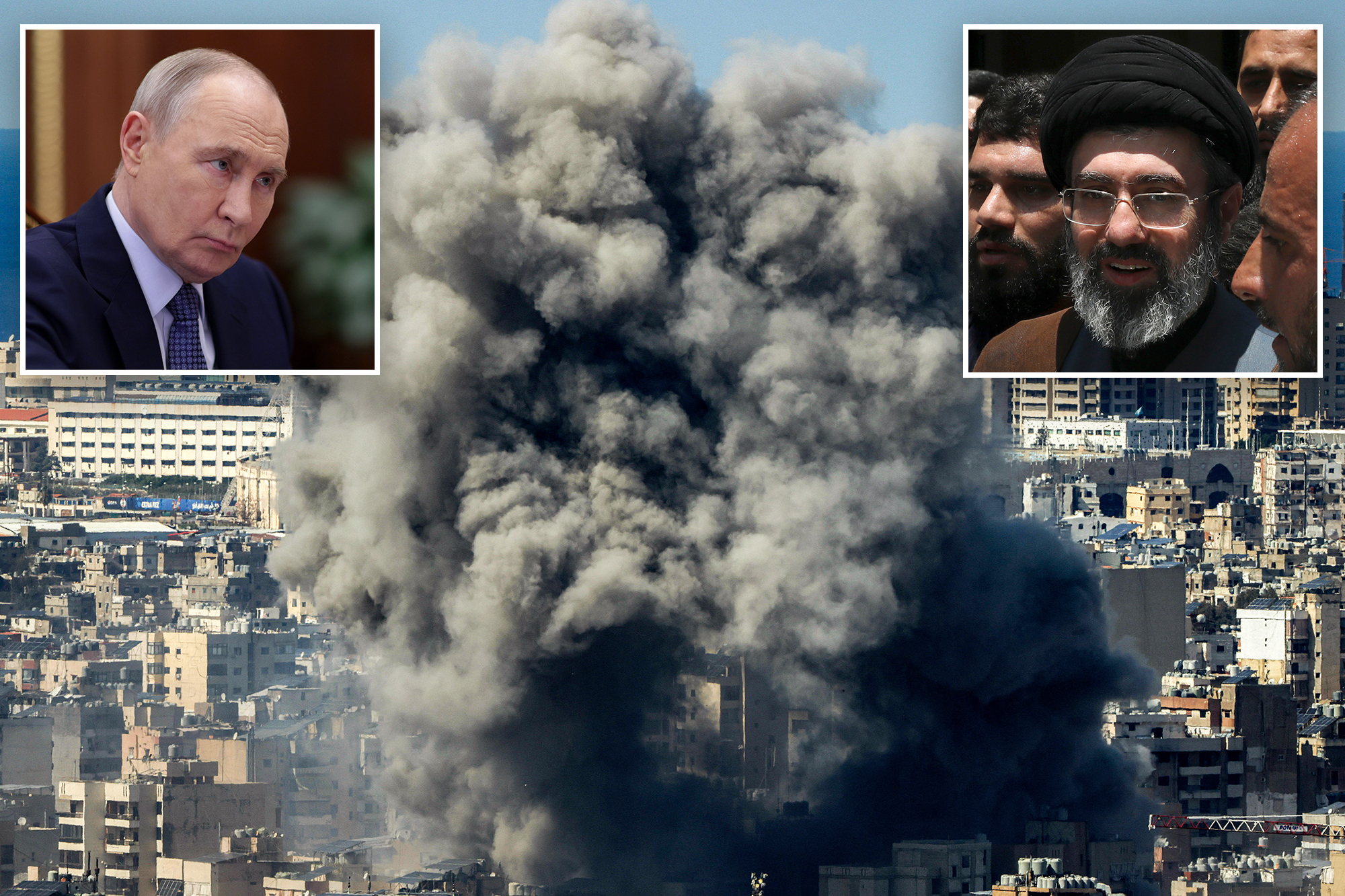
Russian President Vladimir Putin has expressed “unwavering support” for Iran following the appointment of Ayatollah Mojtaba Khamenei as the Islamic Republic’s new supreme leader. In a telegram sent on Monday, Putin extended his congratulations to Khamenei, who succeeds his late father, Ayatollah Ali Khamenei, who was killed in recent military strikes.
Putin emphasized the Kremlin’s commitment to remain a “reliable partner” to Iran, particularly in the context of ongoing regional conflicts. He stated, “At a time when Iran is opposing armed aggression, your tenure in this high post will undoubtedly require great courage and dedication.” The Russian leader expressed confidence that Khamenei would honorably continue his father’s legacy and work towards uniting the Iranian people.
Context of the Leadership Change
The appointment of Mojtaba Khamenei comes just eight days after the death of his father, who was 86 years old at the time of his passing. The elder Khamenei was killed during Operation Epic Fury, a military operation involving strikes from the United States and Israel targeting his compound in Tehran. This operation has heightened tensions in the region, drawing international attention and concern.
In his message, Putin acknowledged the challenges facing Iran and the need for strong leadership during turbulent times. His statement underlines Russia’s strategic alliance with Iran, especially as both nations navigate complex geopolitical landscapes compounded by military confrontations and diplomatic pressures.
International Reactions and Implications
Khamenei’s ascension to the supreme leadership role marks a significant moment for Iran, particularly as it seeks to assert its influence in the region. The response from international leaders and analysts remains critical as they assess the implications of this leadership change.
The new leader, who has already faced disparaging remarks from figures such as former U.S. President Donald Trump, is tasked with addressing internal and external challenges while fostering unity among the Iranian populace. The Kremlin’s support may bolster Khamenei’s position and influence, particularly in the face of increasing international scrutiny and sanctions.
As the situation evolves, both Iran and Russia are likely to strengthen their ties, potentially impacting regional alliances and the broader geopolitical landscape. The implications of Putin’s support for Khamenei could resonate beyond their bilateral relations, affecting the dynamics of power in the Middle East and the responses of Western nations.
In conclusion, Putin’s declaration of support not only reaffirms the partnership between Russia and Iran but also signals potential shifts in regional alliances as both nations face common adversaries.