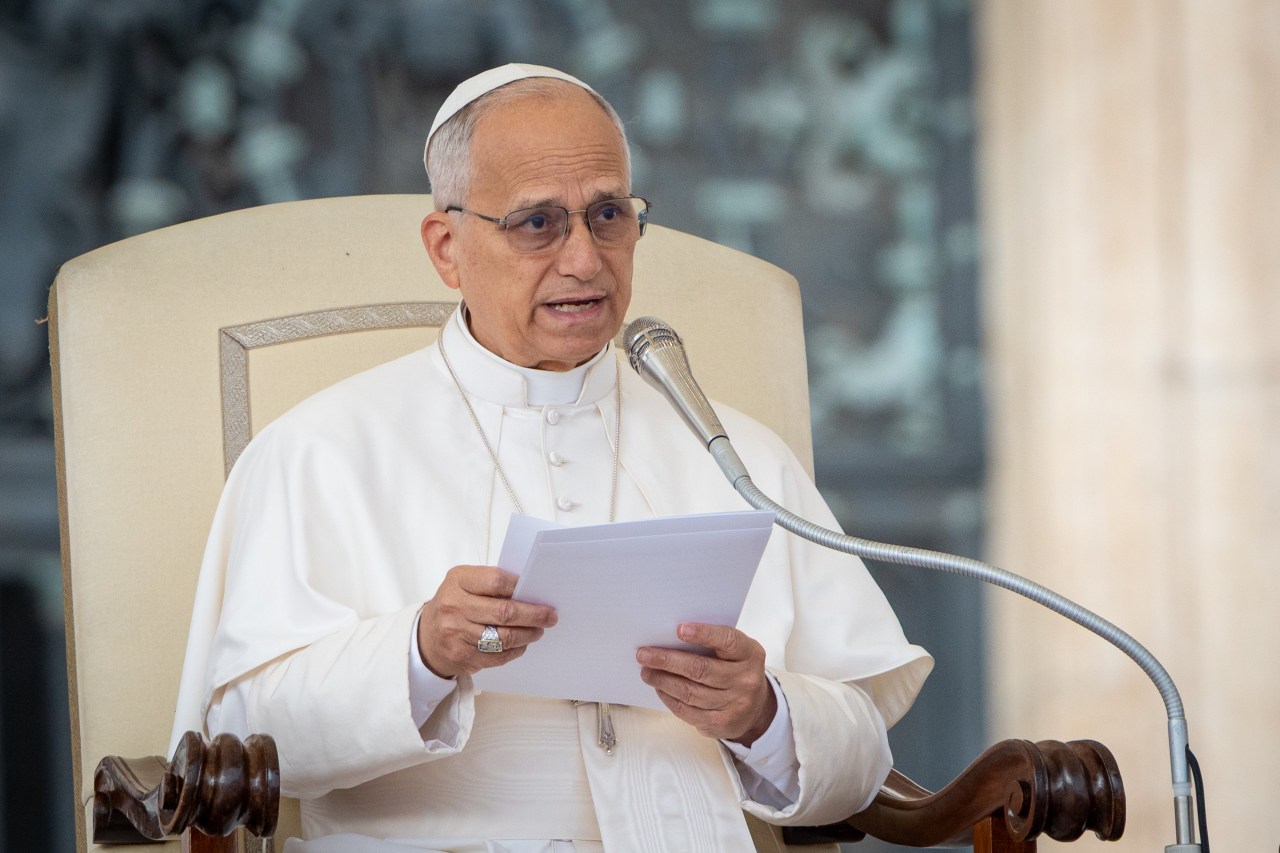
Pope Leo XIV has recently issued a statement to clarify misconceptions surrounding artificial intelligence, particularly regarding the belief that chatbots may possess sentience and rights. In his address, delivered at the Vatican on October 15, 2023, the Pope emphasized that while AI technologies are powerful tools, they lack the consciousness and emotional depth that define human existence.
The remarks come amidst a growing discourse on the implications of advanced AI systems in society. Some advocates argue for the moral consideration of AI as they become increasingly sophisticated. However, Pope Leo XIV firmly rejected these notions, underscoring that the essence of humanity cannot be replicated by machines.
Clarifying the Role of Technology
In his address, Pope Leo XIV stated, “Artificial intelligence is a creation of human ingenuity, meant to serve humanity, not to supplant it.” He highlighted the importance of using AI responsibly and ethically, emphasizing that it should augment human capabilities rather than replace the human experience itself.
The Pope’s statements aim to guide discussions on ethics in technology, particularly as AI continues to evolve and integrate into daily life. He referenced the potential risks of attributing human-like qualities to machines, warning that such beliefs could lead to misguided ethical frameworks.
Pope Leo XIV also called for greater education on the nature of AI. He urged individuals and institutions to engage in informed discussions about the technology, stressing that understanding its limitations is crucial for responsible usage.
The Broader Implications for Society
As AI technologies grow more prevalent, the implications for various sectors, including healthcare, education, and business, become increasingly significant. The Pope’s message resonates with ongoing debates within these fields about the ethical use of AI.
For instance, in healthcare, AI is being harnessed for diagnostics and patient management. While these advancements can enhance efficiency, the Pope’s address serves as a reminder of the need for human oversight to ensure compassionate care.
Pope Leo XIV’s statements also coincide with ongoing discussions at international forums regarding the regulation of AI technologies. As nations grapple with the rapid development of AI, the Pope’s emphasis on the distinction between human beings and machines offers a perspective that could influence future policymaking.
In conclusion, Pope Leo XIV’s remarks underscore the necessity of recognizing the limitations of artificial intelligence. His call for responsible usage and ethical considerations provides a framework for navigating the complexities of a rapidly evolving technological landscape.