A recent court ruling in Panama has clarified the control of the Panama Canal, effectively dismissing former President Donald Trump‘s claims that China has significant influence over this vital waterway. The decision came from the Supreme Court of Panama, which confirmed that the Panama Canal Authority retains full operational authority over the canal, without foreign interference.
This ruling is significant given the geopolitical tensions surrounding China’s investments in various infrastructure projects around the world. In a statement released on September 15, 2023, the court emphasized that the management and operation of the canal are strictly under the jurisdiction of Panama, reinforcing the nation’s sovereignty over this key asset.
The controversy initially arose when Trump suggested that China was seeking to expand its influence in the region, raising alarms about potential foreign control of the canal. These claims were part of a broader narrative during his presidency, where he frequently criticized China’s global ambitions. However, the Panama Supreme Court’s ruling firmly contradicts these assertions, indicating that there is no evidence to support foreign control over the canal.
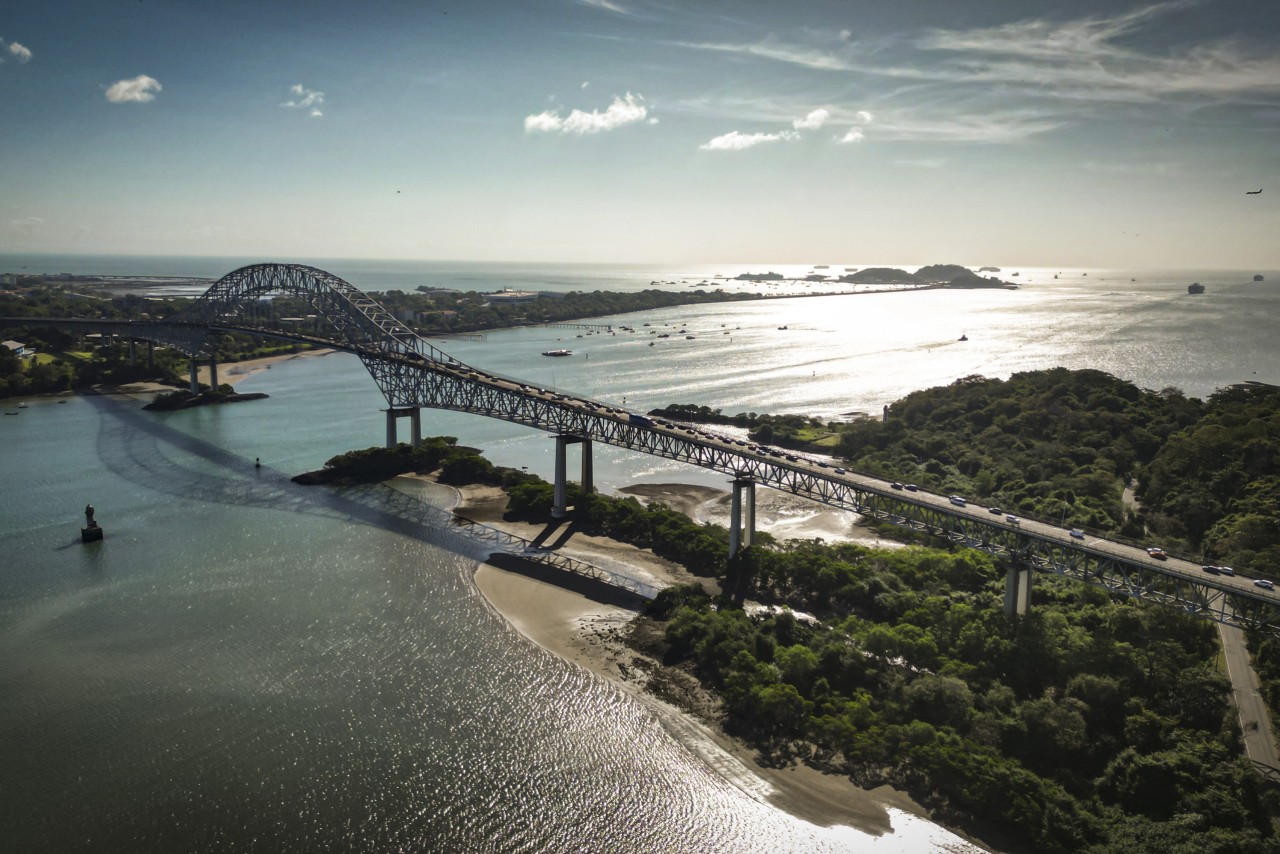
The Panama Canal, which connects the Atlantic and Pacific Oceans, is crucial for international trade. Approximately 14,000 vessels transit the canal annually, underscoring its importance in global shipping routes. The operations of the canal are critical not only for Panama’s economy but also for the economies of countless countries reliant on maritime trade.
In light of the court’s decision, the Panama Canal Authority reiterated its commitment to maintaining the canal’s integrity and operational independence. The Authority stated that it will continue to uphold its responsibilities without external pressures. This statement aims to quell any remaining concerns about foreign influence and to reassure international partners of Panama’s commitment to its sovereignty.
Observers note that the ruling may help to stabilize relations between Panama and China, which have been under scrutiny due to various infrastructure and trade agreements. While China has invested heavily in Latin America, including in Panama, the court’s decision could signal a cautious approach moving forward, balancing investment with local control.
As Panama navigates its relationship with global powers, the court ruling serves as a reminder of the importance of sovereignty in international affairs. With the canal’s management firmly in local hands, Panama is reinforcing its position as a key player in global trade, while also managing its foreign relationships with care and strategic foresight.
In the coming months, the implications of this ruling will likely unfold, potentially shaping both Panama’s domestic policies and its international partnerships. The court’s decision could also serve as a precedent for other nations facing similar pressures from foreign investments and geopolitical maneuvering.
Overall, this ruling marks a significant step in clarifying Panama’s control over its vital infrastructure, allowing the nation to focus on its development goals while ensuring that it remains at the helm of its own resources.