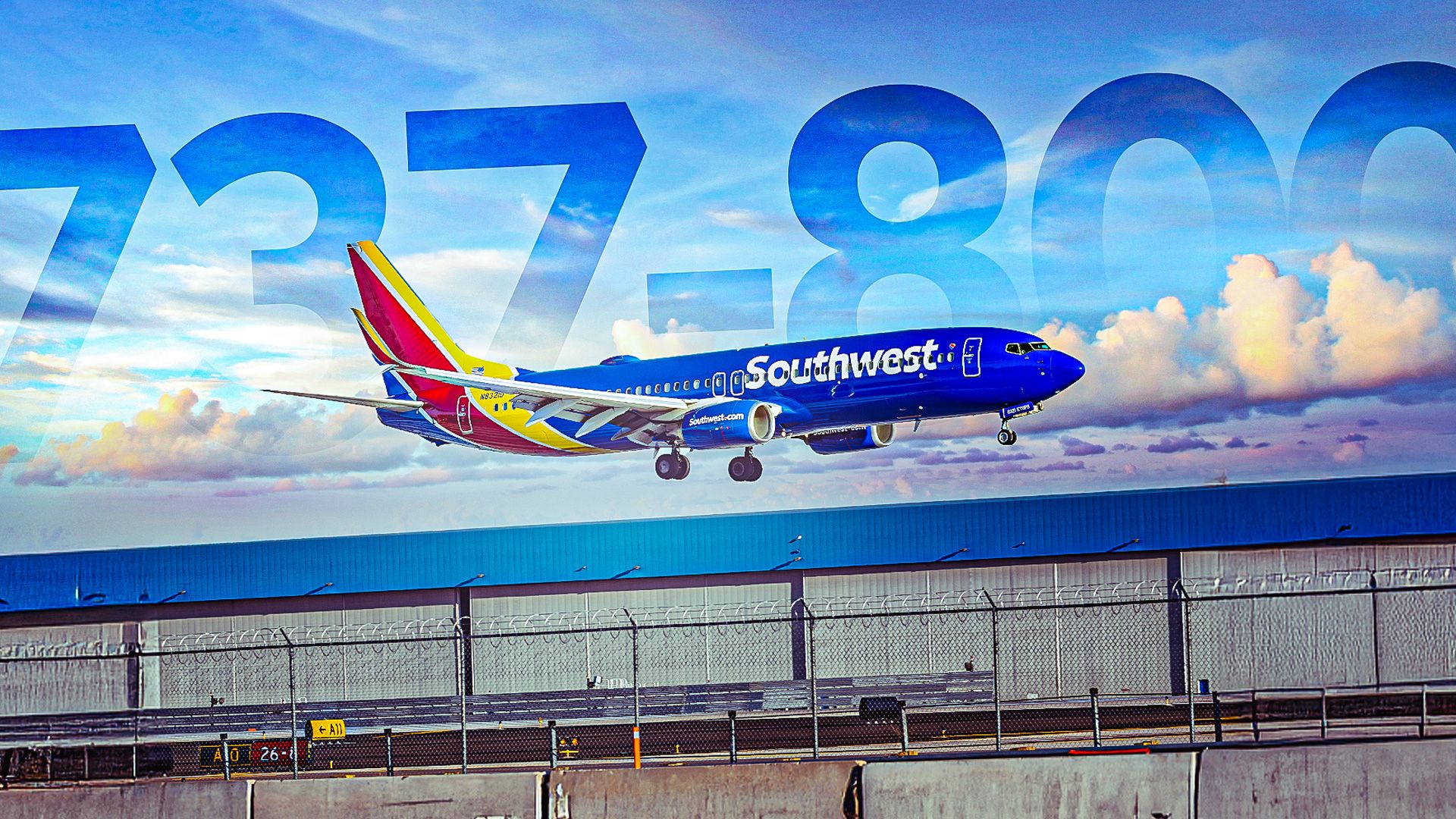
On March 20, 2025, a serious incident involving a Southwest Airlines Boeing 737-800 nearly unfolded at Orlando International Airport (MCO) when the aircraft began its takeoff roll on a taxiway instead of the designated runway. Pilots aborted the takeoff just in time, avoiding a potential disaster. Investigators from the National Transportation Safety Board (NTSB) have since determined that the incident was primarily due to pilot error.
According to the NTSB’s findings, the aircrew mistakenly believed they were on the runway when they were actually on the parallel taxiway. The aircraft, identified as Flight 3278, was scheduled to fly to Albany, New York (ALB) with 152 passengers and six crew members on board. Fortunately, air traffic control noticed the aircraft’s misdirection and quickly canceled the takeoff clearance, prompting the pilots to reject the takeoff and safely return to the apron.
Detailed Investigation Findings
The NTSB investigation revealed that the crew had received takeoff clearance but failed to taxi to the runway before powering up the engines. During the investigation, the captain recounted that after clearance, the crew mistakenly turned right onto taxiway H2 rather than heading to runway 17R. Despite seeing the sign for 17R, he did not realize they were on the taxiway, attributing his oversight to a focus on centering the aircraft and completing pre-takeoff checklist items.
The incident raised significant safety concerns, especially considering Orlando’s bustling airport traffic during the spring break travel rush in Florida. No injuries or damage resulted from the event, but the situation highlighted a critical lapse in situational awareness.
Failure to Adhere to Standard Operating Procedures
The final report, released on December 11, 2025, by the NTSB in collaboration with the Federal Aviation Administration (FAA), emphasized that the captain had not followed Southwest Airlines’ standard operating procedures (SOP). These procedures outline necessary checks to confirm an aircraft’s correct position for takeoff, including:
– Aircraft heading indicators
– Navigation display
– Runway signage
– Painted runway designations
– Runway lighting
Investigators noted that the captain failed to utilize these references effectively. Key oversights included not recognizing the yellow painted centerline and the differences in surface texture between the taxiway and runway. Additionally, the first officer’s attention was diverted by the captain’s request to confirm checklist items during the turn onto the taxiway, further contributing to the error.
The NTSB’s report highlights the importance of adhering to established protocols in aviation. Southwest Airlines, known for its focus on affordable domestic service, has developed a robust operating model that emphasizes efficiency and safety. The lessons learned from this incident will undoubtedly serve as a reminder for the airline and the broader aviation community about the critical importance of situational awareness and adherence to procedural checks.
As the aviation industry continues to recover from the challenges posed by the pandemic, incidents like this underscore the ongoing need for vigilance in safety practices. The NTSB’s findings will likely prompt discussions about training and operational procedures across airlines to prevent similar occurrences in the future.