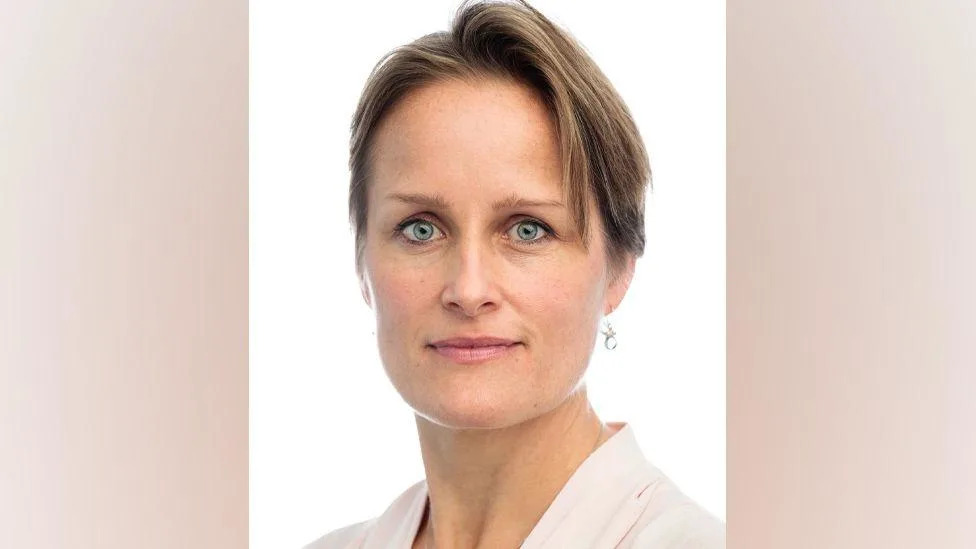
The new head of MI6, Blaise Metreweli, is set to deliver a stark warning about the acute threat posed by Russia during her inaugural public address. In her speech, scheduled for later today, she will emphasize the dangers of hybrid warfare, which encompasses activities such as cyber attacks and drone operations attributed to Russian proxies targeting critical infrastructure. Metreweli will characterize Russia as an “aggressive, expansionist and revisionist” power, underlining the ongoing risks stemming from the conflict in Ukraine.
Metreweli’s appointment as the first female leader of the UK’s Secret Intelligence Service on October 1, 2023, marks a significant milestone. She succeeded Sir Richard Moore and has already outlined her commitment to maintaining pressure on President Vladimir Putin in support of Ukraine. Her remarks will also address recent sanctions imposed on Russian entities involved in information warfare, alongside sanctions against two companies based in China for their indiscriminate cyber activities targeting the UK and its allies.
Focus on Technology and National Security
In her address, Metreweli will highlight a pressing area of interest: technology. Having joined MI6 in 1999, she has progressed through various roles, including leadership of the agency’s Q Branch, which develops cutting-edge gadgets for espionage activities. Her call to action for intelligence officers will focus on mastering technological skills, stating, “We must be as comfortable with lines of code as we are with human sources, as fluent in Python as we are in multiple languages.”
Python, a programming language that has been in use for over three decades, exemplifies the evolving demands of the intelligence community. In a world where data plays a crucial role, the ability to navigate technology is essential. Metreweli’s assertion reflects a necessary adaptation for MI6 to remain relevant in an era where traditional methods of concealment are challenged by advancements in biometric security.
A Broader Call for National Resilience
On the same day, Sir Richard Knighton, the Chief of the Defence Staff, will address the Royal United Services Institute in London, advocating for a comprehensive approach to national resilience. He is expected to stress that enhancing defense capabilities should be a collective effort beyond the military, urging all sectors of society to contribute to national security. He will describe the current global situation as the most dangerous he has encountered throughout his career, highlighting Russia’s intentions to undermine and destabilize NATO.
Knighton’s comments come amid a growing urgency for Britain to bolster its preparedness against an array of threats. He will advocate for a strategic response that leverages the UK’s strengths, from its academic institutions to its industrial capabilities. “A new era for defence doesn’t just mean our military and government stepping up – as we are – it means our whole nation stepping up,” he will state.
In response to a skills gap identified by the Royal Academy of Engineering, Knighton will announce a funding initiative of £50 million for new defense technical excellence colleges. This investment aims to engage both the industry and younger generations in building a robust defense infrastructure.
The discussions surrounding Britain’s national defense strategy have intensified in recent weeks, particularly following proposals for voluntary national service from both France and Germany. Last year, the Conservative government presented its own compulsory service initiative, which was criticized by the Labour Party as merely a gimmick. As the conversation around national security evolves, it is clear that the UK must navigate a complex and uncertain global landscape.
The increasingly aggressive posture of Russia poses a significant challenge, with NATO officials warning of potential threats within the next five years. With the stakes higher than ever, Metreweli’s and Knighton’s remarks underscore a pivotal moment for the UK as it seeks to enhance its defense and intelligence capabilities in a rapidly changing world.