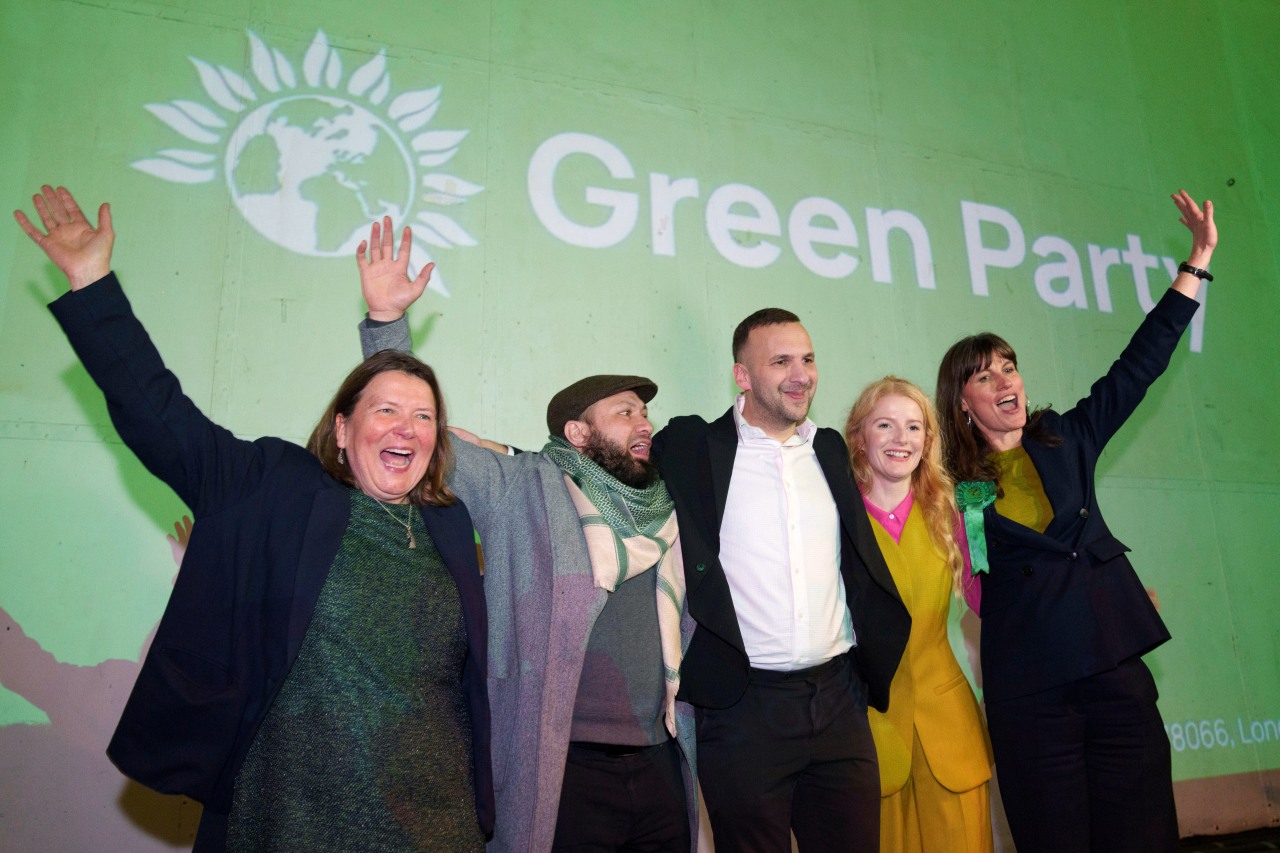
The U.K. Labour Party, led by Keir Starmer, has experienced a significant setback after a Green Party candidate won a local election, marking a pivotal moment in recent political dynamics. The election, held in a district known for its diverse political landscape, saw the ruling Labour Party fall to third place, underscoring growing challenges for Starmer’s leadership.
In this unexpected turn of events, the Green Party candidate, a female plumber, captured the attention of voters, securing a decisive victory. This development not only reflects shifting public sentiment but also indicates the increasing prominence of the Green Party in local politics. The election results reveal that Labour, which has traditionally held strong support in this district, is grappling with a decline in popularity.
Local elections often serve as barometers for broader national trends, and analysts are closely monitoring the implications of this outcome. The Green Party has capitalized on issues such as climate change and social justice, resonating with constituents who may feel disillusioned with mainstream options.
Implications for Labour and Starmer’s Leadership
The defeat raises questions about Keir Starmer’s approach and strategy moving forward. Critics argue that Labour’s recent focus on centrist policies may have alienated some of its traditional supporters. As the party seeks to reconnect with its base, this election serves as a warning sign that complacency could lead to further losses.
According to political analysts, the results could affect Labour’s positioning in upcoming elections. With the Green Party gaining traction, Labour might need to reassess its policies to better address the concerns of voters. This shift could be crucial as the party prepares for potential challenges in future national elections.
Voter Sentiment and Future Elections
Voter sentiment appears to be changing, with many citizens expressing a desire for more diverse political representation. The success of the Green Party candidate demonstrates a willingness among constituents to embrace alternatives to the traditional political landscape.
This local election could signal a broader trend, suggesting that issues related to environmental sustainability and social equity will play a more prominent role in future campaigns. As the political landscape evolves, parties will need to adapt to meet the evolving demands of the electorate.
In summary, the recent local election results serve as a critical reminder of the dynamic nature of U.K. politics. With the Green Party’s victory, the Labour Party faces renewed scrutiny and challenges. As Keir Starmer navigates this shifting terrain, the implications of this setback could resonate well beyond this district, influencing the trajectory of the party in the months and years to come.