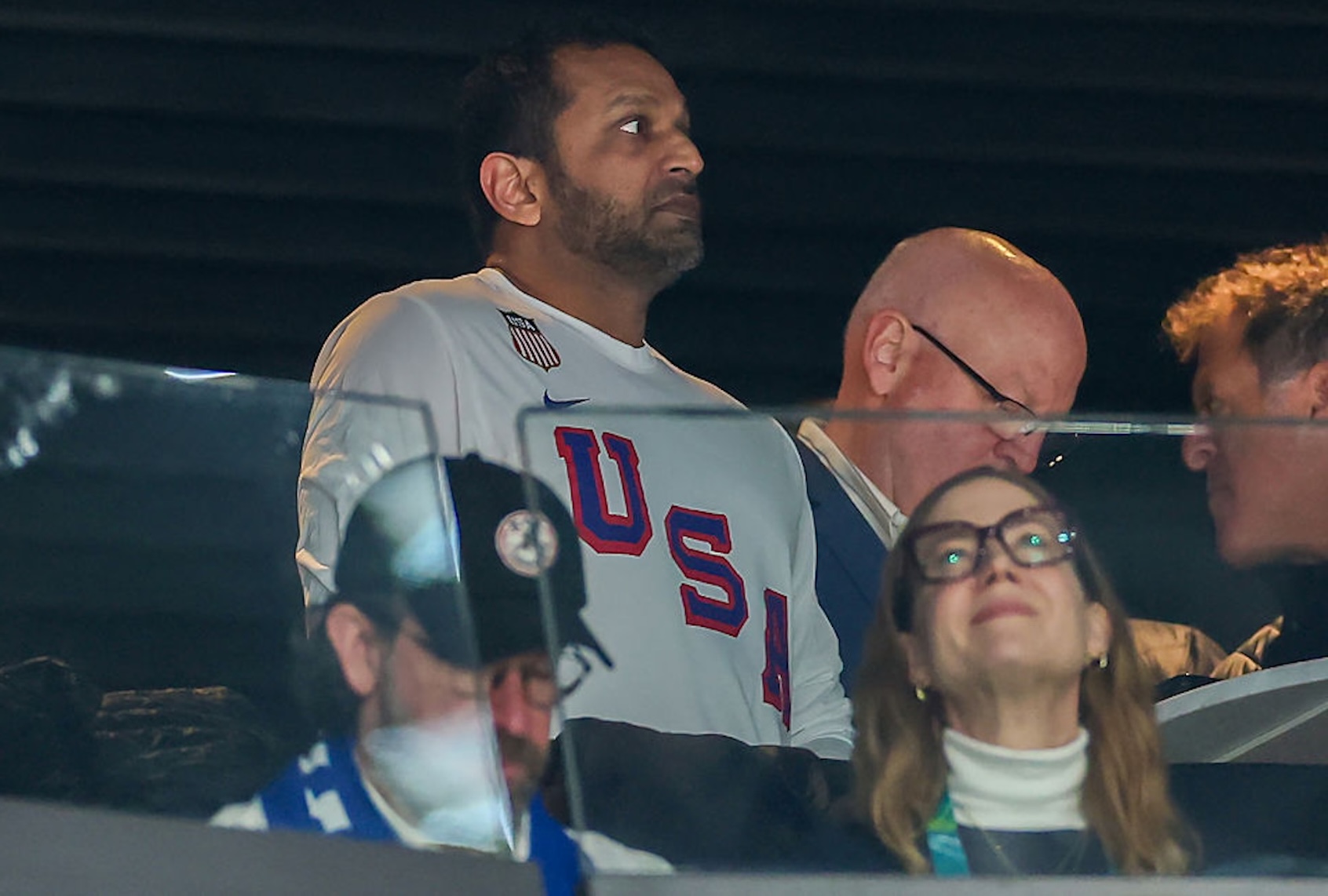
The recent gold medal victory of Team USA’s men’s hockey team at the Winter Olympics in Milan has been overshadowed by controversy surrounding FBI Director Kash Patel. The United States team secured their first Olympic title since 1980, defeating Canada 2-1 in overtime. However, Patel’s presence at the event and his behavior have sparked significant backlash.
Patel arrived in Italy on a government jet, conveniently timing his visit to coincide with the gold medal match. Following the victory, he joined the team in the locker room, celebrating with a beer in hand and making a phone call to former President Donald Trump. His actions have raised questions about the appropriateness of a federal official engaging in such behavior during a time of national concern, particularly regarding ongoing issues back in the United States.
While celebrating the win, a serious incident was unfolding in the U.S. A 21-year-old gunman from North Carolina attempted to assassinate Trump at his Mar-a-Lago residence, and American tourists were left stranded in Mexico amid violence from drug cartels. Critics argue that Patel’s focus on personal enjoyment during such turbulent times exemplifies a troubling pattern of behavior among Trump administration officials.
Patel’s spokesperson insisted that his trip was official in nature, involving meetings with Italian law enforcement and oversight of FBI Olympic security coordination. Yet, many view the visit’s timing as coincidental and self-serving. Notably, Patel had previously tweeted that he would attend the Olympics if Team USA reached the final match, raising suspicions about his intentions.
Despite the backlash, Patel and his supporters have attempted to frame the criticism as unpatriotic. Right-wing commentators have defended his actions, arguing that he deserves to enjoy his time and that the media’s focus on his behavior is exaggerated. However, this narrative has not completely shielded him from dissent, including criticism from within his own political sphere.
Critics point to Patel’s past statements condemning the FBI’s leadership and his calls for accountability. His current actions have been interpreted as hypocritical, suggesting a disconnect between his public persona and private conduct. Many believe this incident reflects a broader trend of self-enrichment and personal branding among Trump administration officials.
As the fallout continues, analysts note the potential impact on public perception. Many voters, particularly independents, are reportedly disillusioned by the perceived corruption within the government. Recent polling indicates that a significant majority of Americans believe Trump is using his presidency for personal gain, a sentiment that could resonate during upcoming elections.
Patel’s actions have not only drawn criticism from opponents but also from some in the MAGA media, highlighting a growing unease among Trump supporters regarding the administration’s priorities. The optics of a federal official celebrating while serious issues unfold back home are difficult to overlook, raising concerns about accountability and ethics.
As investigations continue into various events affecting the nation, the implications of Patel’s behavior serve as a reminder of the challenges facing public officials in maintaining trust and integrity. The incident has sparked a conversation about the responsibilities of those in power and the expectations placed upon them in times of national significance.