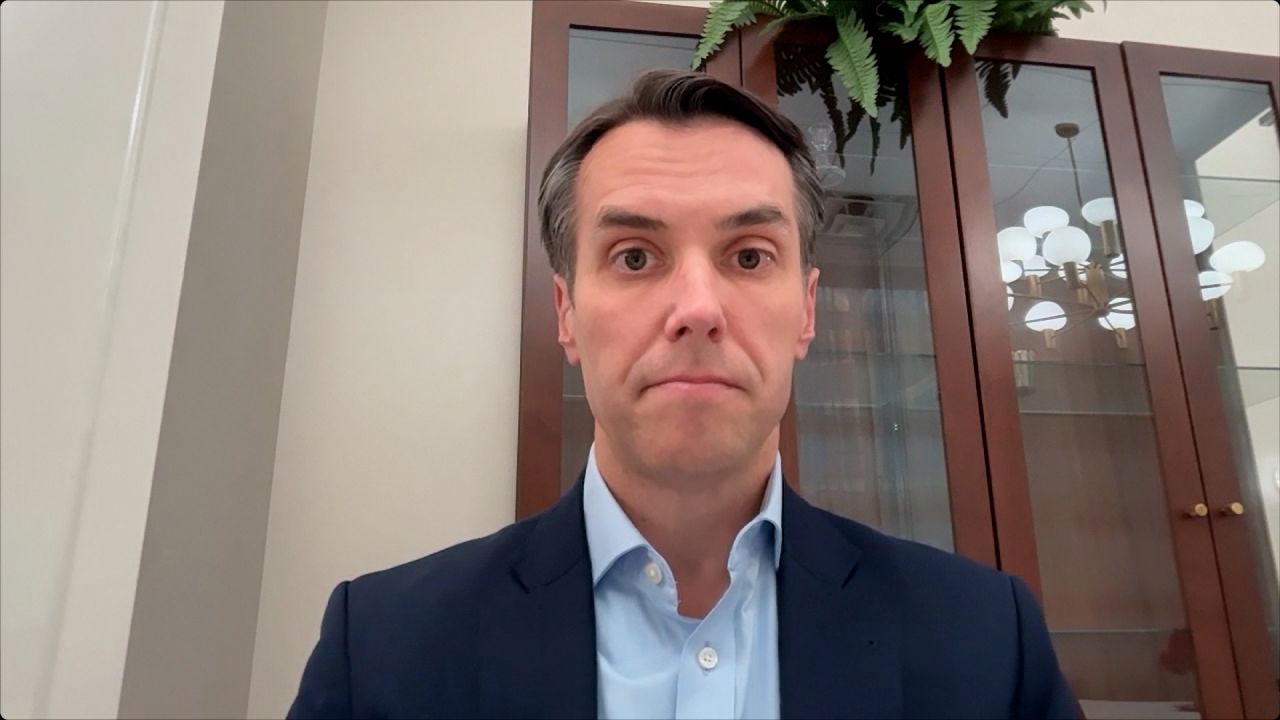
Democratic Representative Morgan McGarvey has attributed the recent decision by Jim Beam to pause production to the impact of tariffs imposed during the previous administration. The announcement has raised concerns about the long-term effects on the Bourbon industry in Kentucky, a region known for its significant contribution to U.S. whiskey production.
The decision to halt production was confirmed on March 15, 2023, during a segment on CNN’s “The Lead.” McGarvey discussed how the tariffs on imported goods have led to increased costs for distillers, particularly in raw materials. He emphasized that these financial pressures are forcing producers like Jim Beam to reconsider their operational strategies.
Impact of Tariffs on the Bourbon Industry
Tariffs, originally designed to protect domestic industries, have had unintended consequences for the Bourbon sector. According to McGarvey, the cumulative effect of these trade policies has resulted in higher prices for essential components, such as grains and barrels. He noted, “When cost pressures build up, businesses have to make tough decisions, and that’s what we’re seeing with Jim Beam.”
Jim Beam, one of the largest Bourbon producers in the world, has been a cornerstone of the Kentucky economy. The company’s decision to pause production not only affects its workforce but also has ripple effects throughout the local economy, from suppliers to retailers. The Bourbon industry plays a crucial role in Kentucky’s identity and economic landscape, generating over $8.6 billion annually.
The halt in production raises questions about the future of the Bourbon market. Jim Beam’s parent company, Beam Suntory, which is based in the United States but has a global reach, faces challenges that could affect its standing in the international market. The pause may lead to shortages and price increases in a sector that thrives on consistent supply.
Broader Economic Implications
The situation highlights a broader concern regarding the impact of trade policies on American businesses. McGarvey’s comments reflect growing frustration among local leaders who see firsthand the consequences of federal decisions. The Representative is calling for a reassessment of tariffs that disproportionately harm domestic producers.
In addition to Jim Beam, other distilleries in Kentucky are also grappling with increased costs. As the industry awaits clarity on trade policies, many producers are left uncertain about their futures. The local government is exploring options to support these businesses during this challenging time, but immediate relief remains elusive.
In conclusion, the pause in Jim Beam’s production underscores the significant influence of federal tariffs on local economies. As discussions continue about the future of trade policies, the Bourbon industry and its stakeholders are left to navigate a complex landscape that could shape their prospects in the years to come.