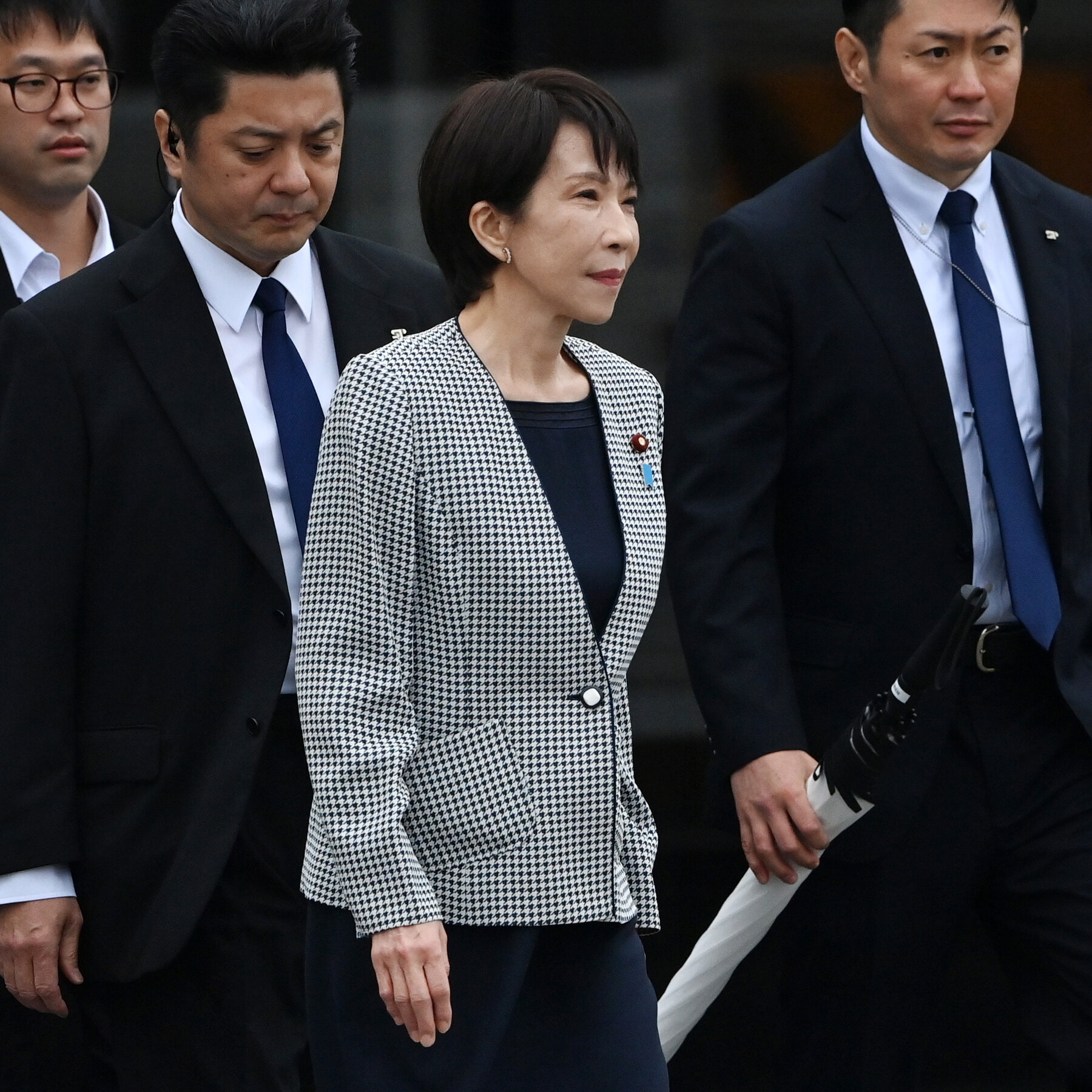
Japanese Prime Minister Sanae Takaichi has officially moved into the prime minister’s official residence in Tokyo, a historic mansion known for its intriguing past. The transition occurred on December 11, 2023, more than two months after she assumed office. Takaichi, who is the first woman to hold the position, had been residing in parliamentary housing but faced criticism for delays in travel time to her office following a significant earthquake.
The official residence, constructed in 1929, is located adjacent to her offices in central Tokyo. Its architectural design draws inspiration from the work of the renowned American architect Frank Lloyd Wright, specifically referencing the now-demolished Imperial Hotel. Takaichi’s decision to move into this historic site adds a layer of complexity to her leadership, as the building is reputed to be haunted by the spirits of soldiers from a century ago.
Haunted History and Leadership Challenges
The prime minister’s new home is not just notable for its architecture; it carries a dark history. During the 1930s, the residence was the setting of two attempted coups, resulting in the assassination of several top officials, including a former prime minister. Rumors persist that the spirits of those involved in these tragic events haunt the premises, leading to speculation about the impact this might have on Takaichi’s state of mind.
Takaichi, who is 64 years old, has publicly expressed her commitment to her role, stating her intention to “work, work, work, work and work.” Since taking office, she has reported sleeping only two to four hours each night due to her demanding schedule. The challenges of leading a nation from a residence steeped in historical significance may place additional pressure on her as she navigates her responsibilities.
Preceding Takaichi in this residence, former Prime Minister Shigeru Ishiba lived there and dismissed fears about the supposed ghosts. Similarly, his predecessor, Fumio Kishida, claimed to have had no encounters with any phantoms and maintained a peaceful sleep throughout his tenure. In contrast, former leaders Shinzo Abe and Yoshihide Suga opted to reside elsewhere, leaving the residence ghost-free for nearly a decade until Takaichi’s arrival.
As Takaichi settles into her new surroundings, her leadership will be closely observed, not just for her policies, but also for how she manages the unique pressures of a haunted residence. The prime minister’s willingness to embrace this historical site reflects a commitment to tradition while highlighting the evolving landscape of Japanese leadership. With significant challenges ahead, including domestic and international issues, many await to see how Takaichi will balance her duties amidst the echoes of the past.