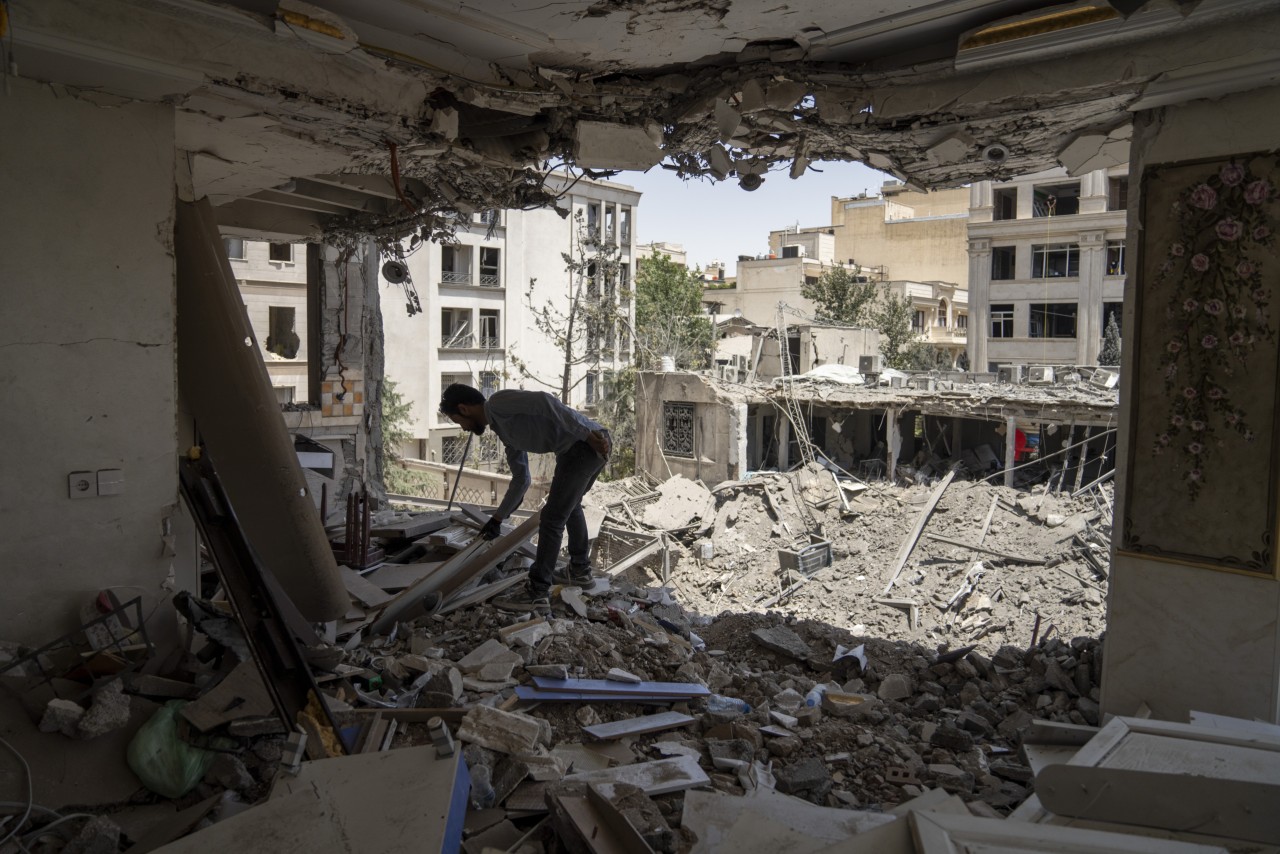
Israeli officials have indicated that they may consider military action against Iran due to the latter’s ongoing efforts to enhance its ballistic missile program. This warning comes six months after the onset of conflict in the region, raising concerns about the stability of an already volatile situation.
The tensions between Israel and Iran have escalated following reports of Tehran’s advancements in missile technology. Israeli Defense Minister Yoav Gallant stated that any significant progress in Iran’s missile capabilities could prompt a decisive response from Israel. Gallant emphasized the importance of preemptive measures to safeguard national security.
Relations between the two countries have been fraught for decades, but the current geopolitical landscape complicates matters further. The United States, which has been working to stabilize the region, now faces additional challenges due to Israel’s potential military actions. A senior U.S. official noted that any escalation could undermine diplomatic efforts aimed at curtailing Iran’s nuclear ambitions and fostering regional peace.
In recent months, Iran has reportedly sought to rebuild its missile program, which had been previously hampered by international sanctions and military strikes. Israeli intelligence sources suggest that Iran is receiving support from allies, including Russia, to enhance its missile capabilities. These developments have raised alarms in Jerusalem, where officials are closely monitoring the situation.
Military analysts believe that an Israeli strike could have far-reaching consequences, not only for Iran but also for neighboring countries. The possibility of retaliatory strikes from Iranian forces or their proxies in the region poses a significant risk. Moreover, any military action could disrupt global oil supplies, given the strategic importance of the region.
Israel’s warnings come in the context of its ongoing defense strategy, which prioritizes preemptive strikes against perceived threats. The Israeli government remains committed to ensuring its national security, and officials have underscored the need for robust military readiness.
As tensions rise, the international community is watching closely. Diplomatic efforts to address Iran’s missile capabilities and nuclear program continue, but the potential for military conflict looms large. Both Israel and the U.S. are keen to avoid a situation that could spiral into a broader conflict.
In conclusion, the developments regarding Iran’s ballistic missile program represent a critical juncture in Middle Eastern geopolitics. With Israel signaling the possibility of military action, the implications for regional stability and international relations are profound. The coming months will be pivotal in determining the trajectory of these tensions and the effectiveness of ongoing diplomatic efforts.