The conflict in the Middle East escalated dramatically as Israeli forces launched targeted strikes against Hezbollah positions in Beirut, marking a significant expansion of military operations into areas previously regarded as relatively safe. Reports indicate that these attacks have not only affected Lebanon but have also involved strikes in Iran and Iraq, underscoring the broader regional implications of the ongoing hostilities.
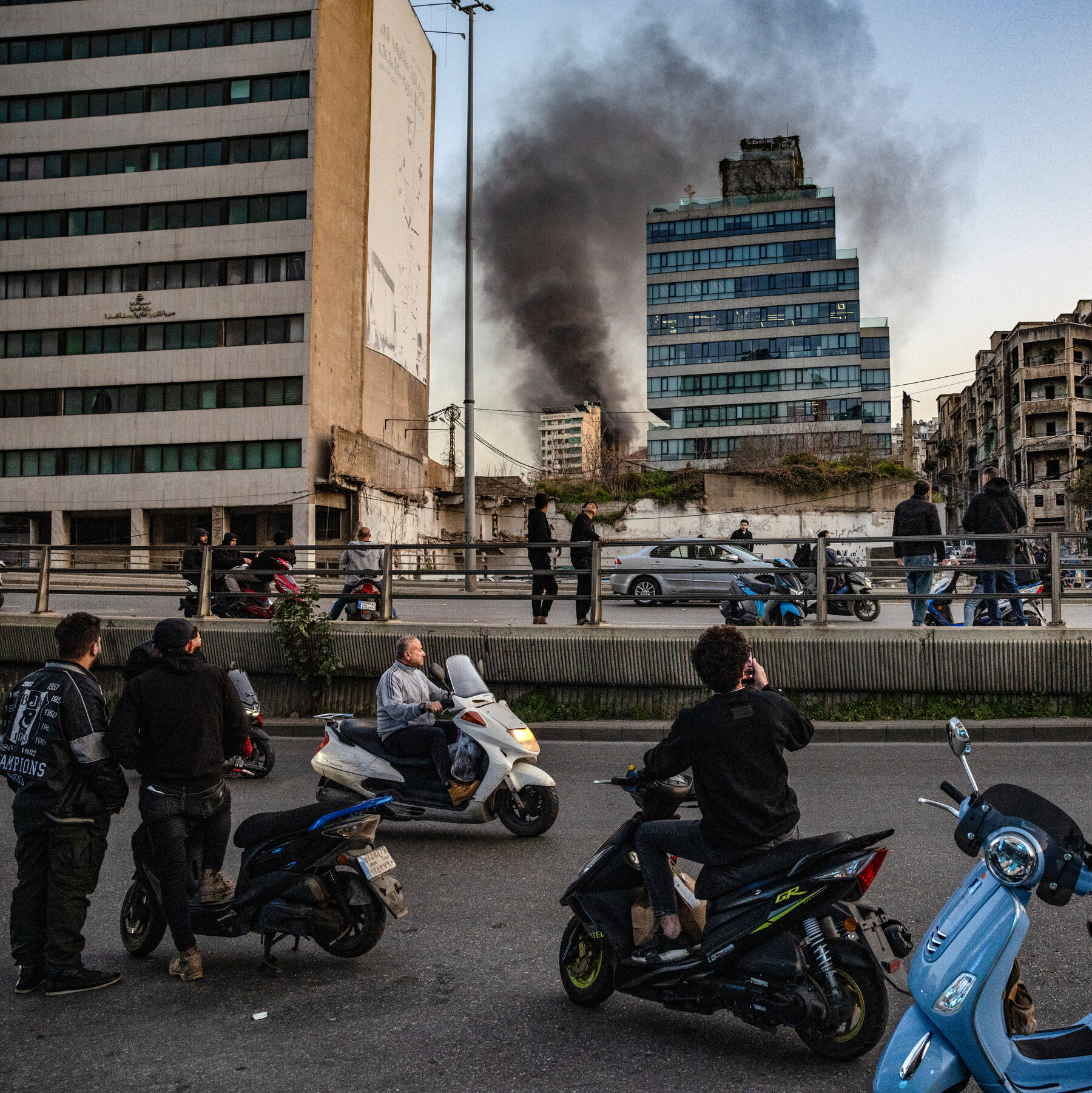
Israeli airstrikes concentrated on the city center of Beirut, with local sources confirming multiple explosions that rattled the capital. This development heightened concerns among residents and international observers about the potential for the conflict to spill over into urban areas, intensifying the humanitarian crisis in Lebanon. The strikes come amid ongoing tensions between Israel and Hezbollah, a militant group based in Lebanon that has been involved in multiple confrontations with Israeli forces over the years.
Regional Impact of Strikes
The Israeli military stated that the operations were aimed at neutralizing Hezbollah’s capabilities to launch attacks against Israeli territory. This escalation has prompted responses from various regional actors, with Iran and Iraq also reporting military activity. The Iranian government condemned the strikes, calling them a violation of Lebanese sovereignty and a direct threat to regional stability.
Local reports suggest that the strikes have resulted in civilian casualties, raising alarms among humanitarian organizations. The United Nations has called for an immediate ceasefire and emphasized the need for all parties to protect civilian lives amidst the ongoing conflict. Tensions remain high, as Hezbollah has vowed to retaliate against Israeli actions, potentially leading to further escalation.
International Reactions
The international community is closely monitoring the situation, with various countries expressing concern over the potential for a broader conflict in the region. Diplomatic efforts to de-escalate the situation are underway, but the prospects for a peaceful resolution appear uncertain. Analysts warn that if the violence continues to spread, it could have dire consequences for Lebanon and its neighbors.
October 2023 has been marked by increasing violence, with both sides engaging in exchanges of fire across the borders. As the situation evolves, the focus remains on the humanitarian implications and the need for a concerted international effort to address the underlying issues fueling the conflict.
The unfolding events present a challenging landscape for regional stability, as the involvement of multiple nations adds layers of complexity to an already volatile situation. With tensions running high, the world watches closely, hoping for a resolution that prioritizes peace and security for all affected parties.