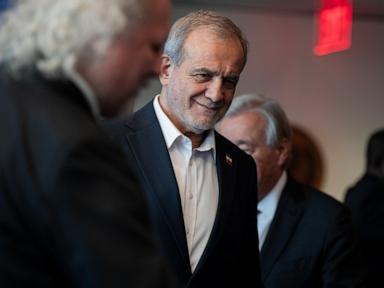
Iranian President Masoud Pezeshkian issued a stern warning on Tuesday, declaring that any attack on Iran would elicit a harsh response. His remarks come in reaction to threats made by U.S. President Donald Trump, who indicated that military action could be taken if Iran continues to advance its nuclear program.
Pezeshkian communicated his message through the social media platform X, stating, “The answer of the Islamic Republic of Iran to any cruel aggression will be harsh and discouraging.” While he did not provide additional details, his statement followed a tense exchange between Trump and Israeli Prime Minister Benjamin Netanyahu during their meeting at Trump’s Mar-a-Lago estate in Florida.
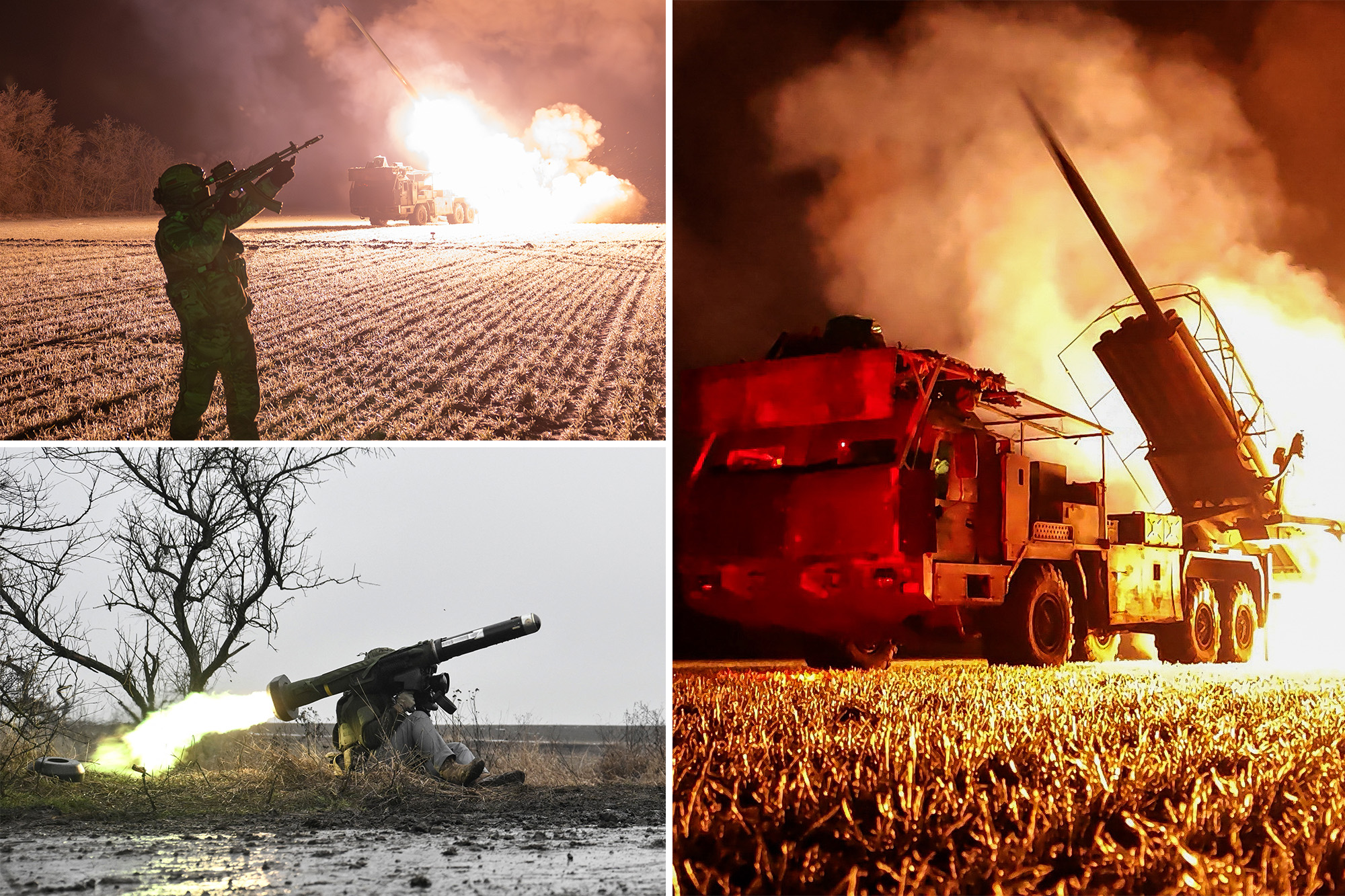
During a joint press conference, Trump raised concerns about Iran’s potential efforts to rebuild its nuclear capabilities. “Now I hear that Iran is trying to build up again,” he said. The U.S. president emphasized the possibility of military strikes, asserting, “If they are, we’re going to have to knock them down. We’ll knock the hell out of them. But hopefully that’s not happening.”
The backdrop to these threats includes a recent escalation in hostilities between the U.S. and Iran. In June 2023, a 12-day air conflict resulted in the deaths of nearly 1,100 Iranians, including high-ranking military officials and scientists. Iran retaliated with a missile strike that killed 28 people in Israel. Trump suggested that he could authorize further strikes against Iran if there is confirmation of its nuclear advancements, warning, “The consequences will be very powerful, maybe more powerful than the last time.”
Pezeshkian has previously indicated that tensions are escalating, stating, “We are in a full-scale war with the U.S., Israel, and Europe; they don’t want our country to remain stable.” Despite this, Iran maintains that it is not enriching uranium at any site, seeking to convey its willingness to engage in negotiations regarding its nuclear program.
According to assessments from U.S. intelligence agencies and the International Atomic Energy Agency, Iran last had an organized nuclear weapons program in 2003. Currently, Tehran has been enriching uranium up to 60%, which is a short technical step away from weapons-grade levels of 90%.
As the situation continues to unfold, the international community watches closely, aware of the potential ramifications of further military action in the region.