Iran has announced it will not permit inspections of its bombed nuclear sites by the International Atomic Energy Agency (IAEA). The decision comes in response to military strikes carried out by Israel and the United States in June 2023, which targeted key facilities associated with Iran’s nuclear program, including Natanz, Fordo, and Isfahan. The Iranian government cites the lack of established regulations for inspecting facilities that have been damaged by military actions.
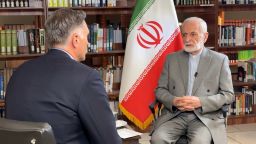
Mohammad Eslami, head of Iran’s Atomic Energy Organization, emphasized the necessity for the IAEA to provide formal guidelines regarding inspections of sites impacted by military strikes. He stated that if such attacks are deemed unauthorized, the agency should condemn them and clarify procedures for inspections in post-war contexts. Eslami expressed frustration, stating, “If there are established procedures for the post-war situation, the Agency should announce them so that we can act accordingly.”
The Iranian government has formally requested that the IAEA define and codify what actions should be taken when a nuclear facility under the agency’s safeguards is subjected to military attack. Eslami reiterated this stance, declaring that until this critical issue is resolved, Iran will not accept any “political and psychological pressure” or demands to re-inspect the damaged facilities. He added that such demands would not receive a response.
IAEA’s Call for Cooperation
In late November 2023, the IAEA reiterated its call for Iran to cooperate fully and promptly. The agency urged Iran to allow verification of nuclear material and comply with international safeguards and requirements set by the United Nations Security Council. These developments coincide with ongoing diplomatic discussions aimed at addressing concerns surrounding Iran’s nuclear activities.
During a recent United Nations Security Council meeting focused on nuclear non-proliferation, Hedda Samson, deputy head of the European Union delegation, urged Iran to provide the IAEA with updated and verifiable declarations. These declarations should detail the quantity, location, and status of Iran’s nuclear material and related activities. The deputy permanent representative of France to the UN, Jay Dharmadhikari, noted that Iran’s failure to meet its international obligations regarding its nuclear program poses a significant threat to global peace and security.
Reports have indicated that Iran may be accelerating the redevelopment of its ballistic missile program, despite the reintroduction of United Nations sanctions that prohibit arms sales and ballistic missile activities. Eslami maintains that Iran’s nuclear program is focused on peaceful purposes, aiming to enhance the country’s technological and scientific capabilities.
As tensions continue to rise, the international community watches closely to see how Iran will navigate its nuclear ambitions while addressing concerns from the IAEA and other global entities.