Washington has reported that Iran is potentially preparing to deploy naval mines in the crucial Strait of Hormuz, according to U.S. officials speaking to CBS News. This move aims to disrupt one of the world’s most vital shipping lanes, through which approximately 20% of global oil supply flows. The officials revealed that Iran may be utilizing smaller vessels capable of carrying two to three mines each, although the exact number of mines in Iran’s stockpile remains unclear.
Estimates suggest that Iran’s mine inventory could range from 2,000 to 6,000 naval mines, primarily manufactured by Iran, China, or Russia. The U.S. officials, who requested anonymity due to the sensitive nature of the information, indicated that the potential deployment of these mines is part of a broader strategy by Iran to assert control over the vital waterway.
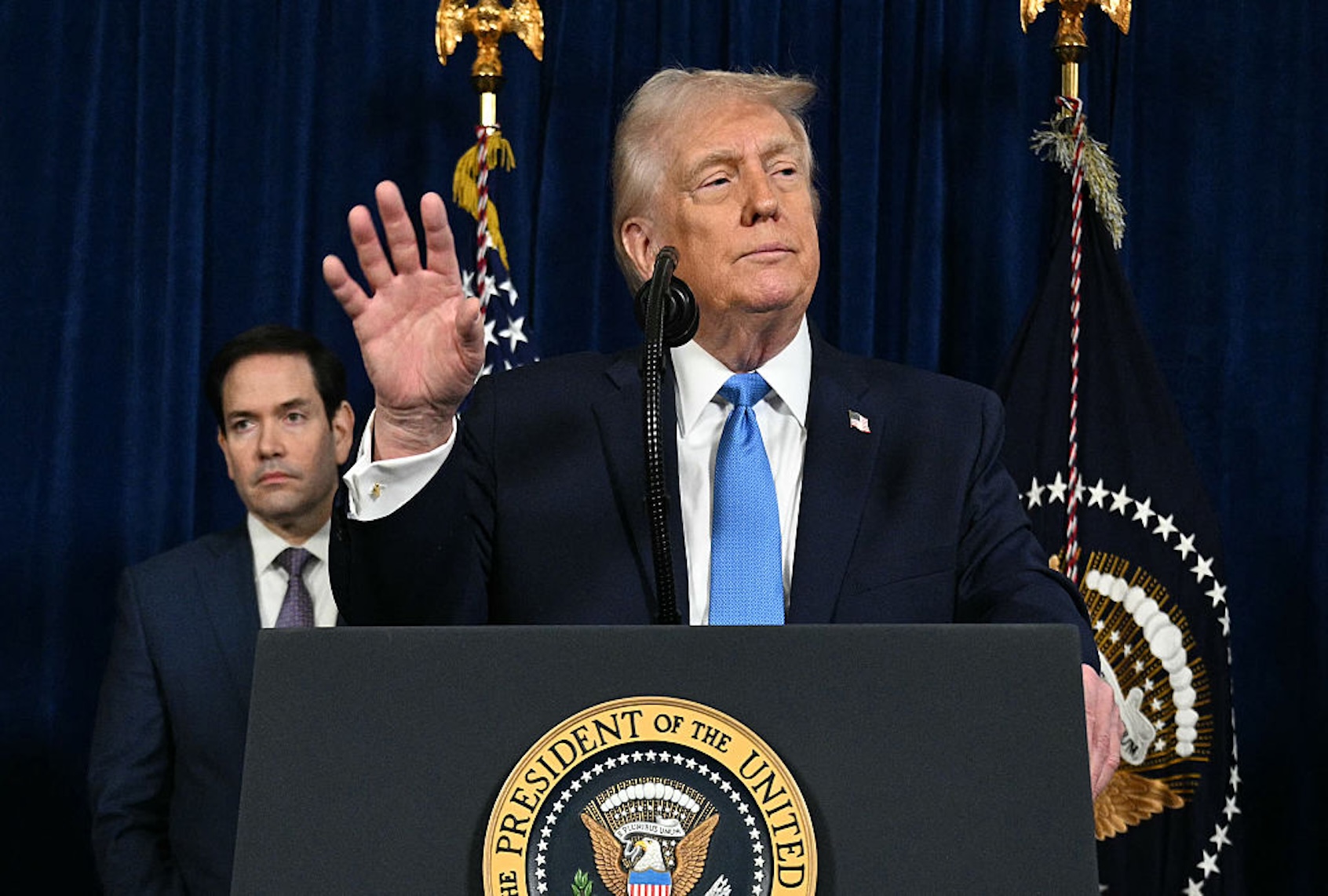
In response to these developments, President Donald Trump took to Truth Social on October 10, 2023, stating, “If Iran has put out any mines in the Hormuz Strait, and we have no reports of them doing so, we want them removed, IMMEDIATELY!” He issued a stern warning that any mines not removed would lead to “military consequences to Iran at a level never seen before.” Earlier, he had cautioned that any action by Iran that obstructs oil flow in the Strait would result in the United States responding “twenty times harder than they have been hit thus far.”
On the same day, CNN reported that Iran has indeed commenced laying mines in the Strait. This follows a history of similar actions; during the 1980s, amid the Iran-Iraq War, Iran frequently deployed naval mines in strategic shipping routes.
U.S. military officials are actively targeting this threat. In a press conference at the Pentagon, General Dan Caine, Chairman of the Joint Chiefs of Staff, stated that U.S. Central Command continues to track and engage “mine-laying vessels” and “mine storage facilities.” The U.S. military’s ongoing operations underscore the significance of the Strait of Hormuz as a critical energy chokepoint, essential for the transport of crude oil from nations such as Saudi Arabia, Iraq, and the United Arab Emirates.
Any disruptions in this narrow waterway can lead to immediate repercussions on oil prices and the global economy. Maritime insurance firms have already reacted, with major companies like NorthStandard, the London P&I Club, and the American Club announcing a suspension of coverage for vessels operating in Iranian waters and parts of the Gulf due to heightened risks associated with the conflict.
The situation remains fluid as tensions escalate in the region. As the U.S. continues to monitor the developments, any further actions from Iran could significantly impact international shipping and energy markets. The potential deployment of naval mines not only raises military concerns but also poses serious implications for global energy security.