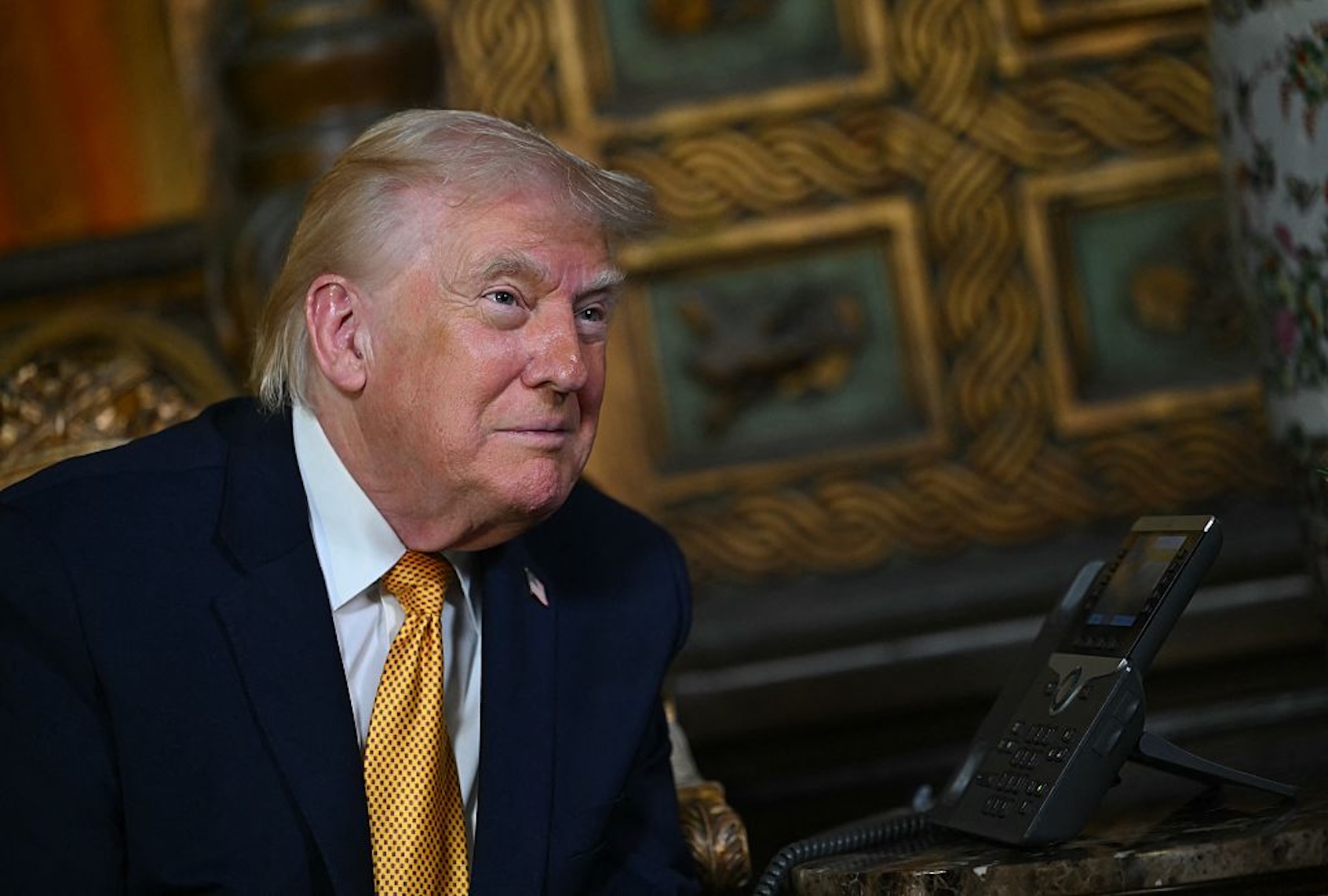
Donald Trump’s recent visit to Georgia, specifically to the district represented by former Republican Representative Marjorie Taylor Greene, spotlighted his continued focus on voter fraud claims. During his tour of a steel company and a local restaurant, Trump dedicated much of his time to discussing the FBI raid on the Fulton County election offices. This appearance serves as a reminder of his persistent assertions of voter fraud and his advocacy for stricter voter identification laws.
Trump’s refusal to acknowledge his loss in the 2020 election has solidified his legacy as a figure who instigated doubt regarding the integrity of American elections. Despite numerous investigations and judicial findings that have failed to substantiate claims of widespread fraud, Trump’s rhetoric has resonated with a significant portion of the electorate. His promotion of these theories is not a novel phenomenon; indeed, it is rooted in a long-standing conservative narrative.
Historical Context of Voter Fraud Allegations
The narrative surrounding voter fraud predates Trump by decades. Historically, conservative factions have utilized the concept of fraud to justify various voter suppression tactics. For instance, during the Jim Crow era, discriminatory practices were often couched as necessary measures to prevent fraud. Poll taxes and literacy tests were justified by claims that poor individuals, particularly Black Americans, would sell their votes if not restricted.
Historian Alexander Keyssar outlines in his book, The Right to Vote: The Contested History of Democracy in the United States, how accusations of voter fraud served primarily to disenfranchise marginalized groups. The fear that their votes could challenge the elite’s interests led to systemic barriers aimed at maintaining the status quo. This practice remained prevalent until the enactment of the Voting Rights Act in 1965, which aimed to protect the voting rights of African Americans.
The transition of Black voters from the Republican Party to the Democratic Party after the Civil Rights Movement gave rise to the Southern Strategy. This approach capitalized on racial tensions to garner support from white voters in the South. Conservative activist Paul Weyrich famously stated, “I don’t want everybody to vote,” acknowledging that lower voter turnout could benefit Republican candidates.
The Evolution of Voter Fraud Claims
Throughout the years, attempts to simplify voting processes have consistently faced resistance from conservative factions. Proposals by President Jimmy Carter for Election Day registration and public financing met significant pushback, labeled as potential breeding grounds for fraud. The motor-voter legislation, which facilitated registration through driver’s license renewals, was vetoed by President George H.W. Bush before eventually passing under Bill Clinton.
The 2000 presidential election exemplified the heightened focus on voter fraud when George W. Bush won Florida by a mere 537 votes. This narrow victory triggered a concerted effort by the Republican Party to highlight instances of voter impersonation, a form of fraud that is exceedingly rare. John Ashcroft, then Attorney General, initiated numerous investigations into alleged fraud but found little evidence to support claims.
When Trump emerged on the political scene in 2015, he adopted these narratives, frequently linking illegal immigration with voter fraud. His claims escalated prior to the 2016 presidential election, suggesting that the election would be rigged unless he emerged victorious. Trump even formed a voter fraud commission during his presidency, aiming to substantiate his claims that he had won both the electoral and popular votes.
As the nation anticipates the Supreme Court’s ruling on Louisiana v. Callais, which could significantly weaken the Voting Rights Act, the implications of these long-standing voter fraud allegations continue to reverberate. The conservative push to challenge voting rights reflects a broader strategy that has been in play for over a century. While Trump’s rhetoric may have amplified these claims, the groundwork was laid long before his time.
In conclusion, Trump’s focus on voter fraud is part of a broader historical narrative that dates back to systemic efforts to disenfranchise voters. His legacy may not only be the promotion of these unfounded claims but also the continuation of a strategy that seeks to suppress the voices of those deemed undesirable by those in power.