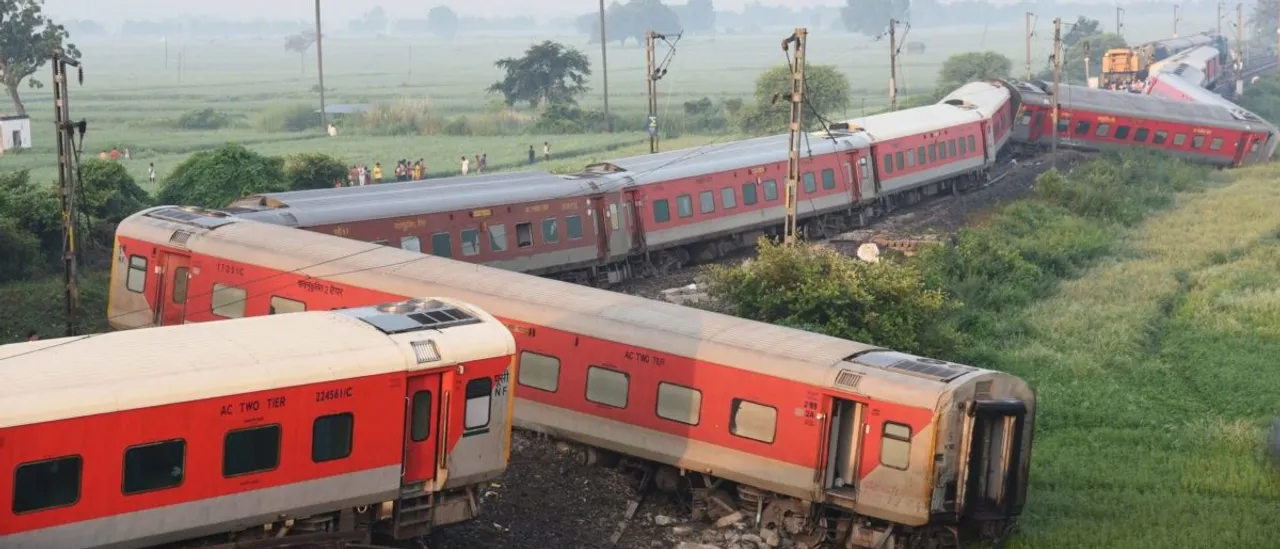
A tragic train collision in Spain on the evening of January 19, 2026, has resulted in at least 39 fatalities and numerous injuries. The incident occurred near Adamuz at approximately 19:45 local time, when the rear end of a high-speed train traveling from Malaga to Madrid derailed and collided with an oncoming train heading from Madrid to Huelva. According to the Spanish rail operator, Administrador de Infraestructuras Ferroviarias (ADIF), the impact primarily affected the lead carriages of the second train, which was carrying around 200 passengers.
Eyewitness accounts describe a harrowing scene. A survivor, identified only as Ana, recounted her experience, stating, “Everything went dark” as the train tipped over. She described the chaos, with screams echoing around her as some passengers sustained severe injuries. Ana managed to escape with her sister, who was rescued by firefighters, while both were subsequently taken to a local hospital.
The collision has been characterized as one of the deadliest train accidents in recent years, with the current death toll eclipsing that of a 2013 derailment in Santiago de Compostela that claimed 80 lives. In total, 122 individuals sustained injuries, with 48 currently hospitalized and 12 in intensive care.
Ongoing Recovery and Investigation
As rescue operations continue, authorities have been working diligently to recover victims and assess the extent of injuries. Spanish Transport Minister Óscar Puente, who visited the crash site, expressed his condolences to the victims’ families and acknowledged the challenging conditions faced by rescue teams. He indicated that the death toll may still rise as recovery efforts progress, stating, “The current figure of 39 is not final.”
In response to the tragedy, Spanish Prime Minister Pedro Sánchez announced three days of national mourning for those who lost their lives in the collision. The incident has prompted renewed scrutiny of railway safety, especially in light of previous warnings regarding “severe wear and tear” on the high-speed rail tracks issued to ADIF in 2025.
The government has pledged to conduct a thorough investigation into the circumstances surrounding the crash, aiming to understand the factors that contributed to this devastating event. As the nation mourns, the focus remains on supporting the victims’ families and ensuring the safety of Spain’s rail operations in the future.
This collision underscores the vital importance of maintaining rigorous safety standards within the railway system and the need for immediate action to prevent future tragedies.