The rift within the Republican Party regarding the release of Jeffrey Epstein’s case files became increasingly evident during discussions on major Sunday talk shows. On November 16, 2025, congressional Republicans expressed differing views on the implications of the files, which some labeled as a Democratic Party hoax while others saw them as a pivotal moment for conservative values.
Senator John Barrasso from Wyoming appeared on NBC’s “Meet the Press” and characterized the Epstein controversy as a strategy to undermine former President Donald Trump. He asserted, “This is all about him,” suggesting that if the Biden administration had any incriminating evidence against Trump, they would have pursued it aggressively over the past four years.
Barrasso’s comments echoed the sentiments of Trump, who suggested that the release of emails involving Epstein was a distraction from more pressing national issues. The senator accused Democrats of attempting to divert attention from the consequences of their policies, particularly in light of the ongoing government shutdown.
In stark contrast, Representative Thomas Massie from Kentucky issued a stark warning to his colleagues regarding the potential fallout from their votes on the Epstein files. He co-sponsored legislation aimed at ensuring the release of these documents and cautioned fellow Republicans that a vote against this measure would equate to a vote to “protect pedophiles.” Massie stated, “The record of this vote will last longer than Donald Trump’s presidency,” emphasizing the long-term implications of their decision.
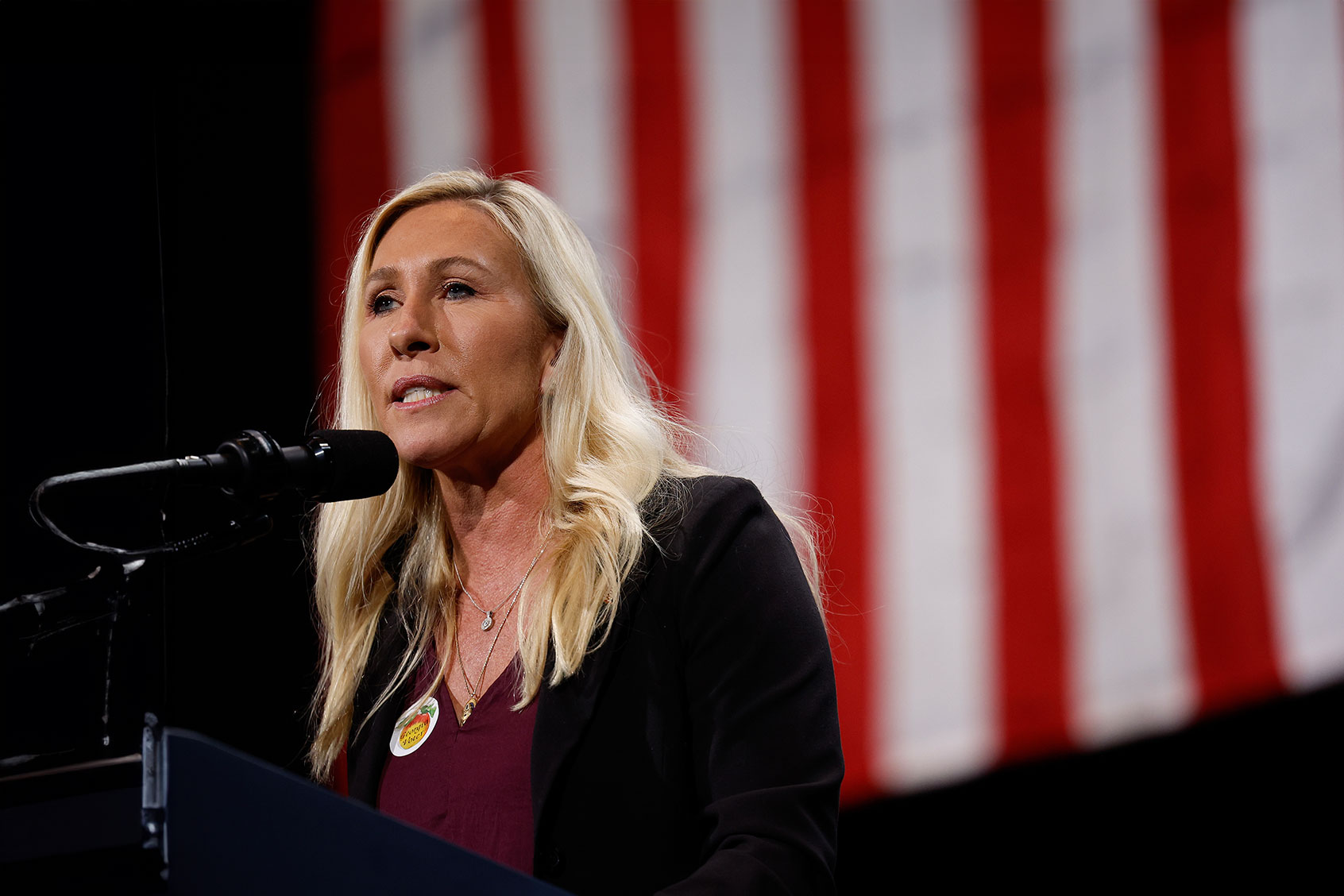
Meanwhile, Representative Marjorie Taylor Greene of Georgia, known for her support of the MAGA movement, voiced her discontent with Trump’s recent remarks about her. She positioned the debate around the Epstein files as a matter of principle, expressing solidarity with victims of sexual abuse. “I stand with these women. I stand with rape victims,” Greene asserted, advocating for greater transparency in the Epstein case and accountability for any individuals who may have committed sexual crimes.
Greene’s call for transparency reflects a growing concern among some Republicans about the potential repercussions of shielding powerful figures from scrutiny. “I don’t believe that rich, powerful people should be protected if they have done anything wrong,” she stated, underscoring her commitment to pushing for the release of the files despite the political risks involved.
This ideological division within the GOP has significant ramifications not only for the party’s unity but also for its future electoral strategies. As the conversation around the Epstein files continues, the outcomes will likely influence how Republicans position themselves in upcoming elections and address issues of accountability and transparency.
In summary, the discussions on Sunday highlighted the contrasting perspectives within the Republican Party regarding the Epstein files, revealing a deeper ideological battle that may shape the party’s trajectory in the coming years. The ongoing debate underscores the complexities of navigating political alliances and the impact of public opinion on legislative decisions.