On November 13, 2025, France will commemorate the tenth anniversary of the coordinated terrorist attacks that devastated Paris in 2015. The attacks, which involved gunfire at cafes, explosions near the Stade de France, and a deadly assault on the Bataclan concert hall, resulted in the deaths of 132 individuals and left hundreds more injured. The tragic events of that night have since shaped the national consciousness in profound ways, with many families marking time as “before” and “after” the attacks.
To honor the victims, a series of tributes will take place across the city, led by President Emmanuel Macron and Paris Mayor Anne Hidalgo. The commemorative events will begin at the Stade de France in Saint-Denis, followed by visits to various cafes and restaurants in the 10th and 11th arrondissements, culminating at the Bataclan. A minute of silence will be observed before each memorial plaque, allowing family members of the victims to stand close to the sites.
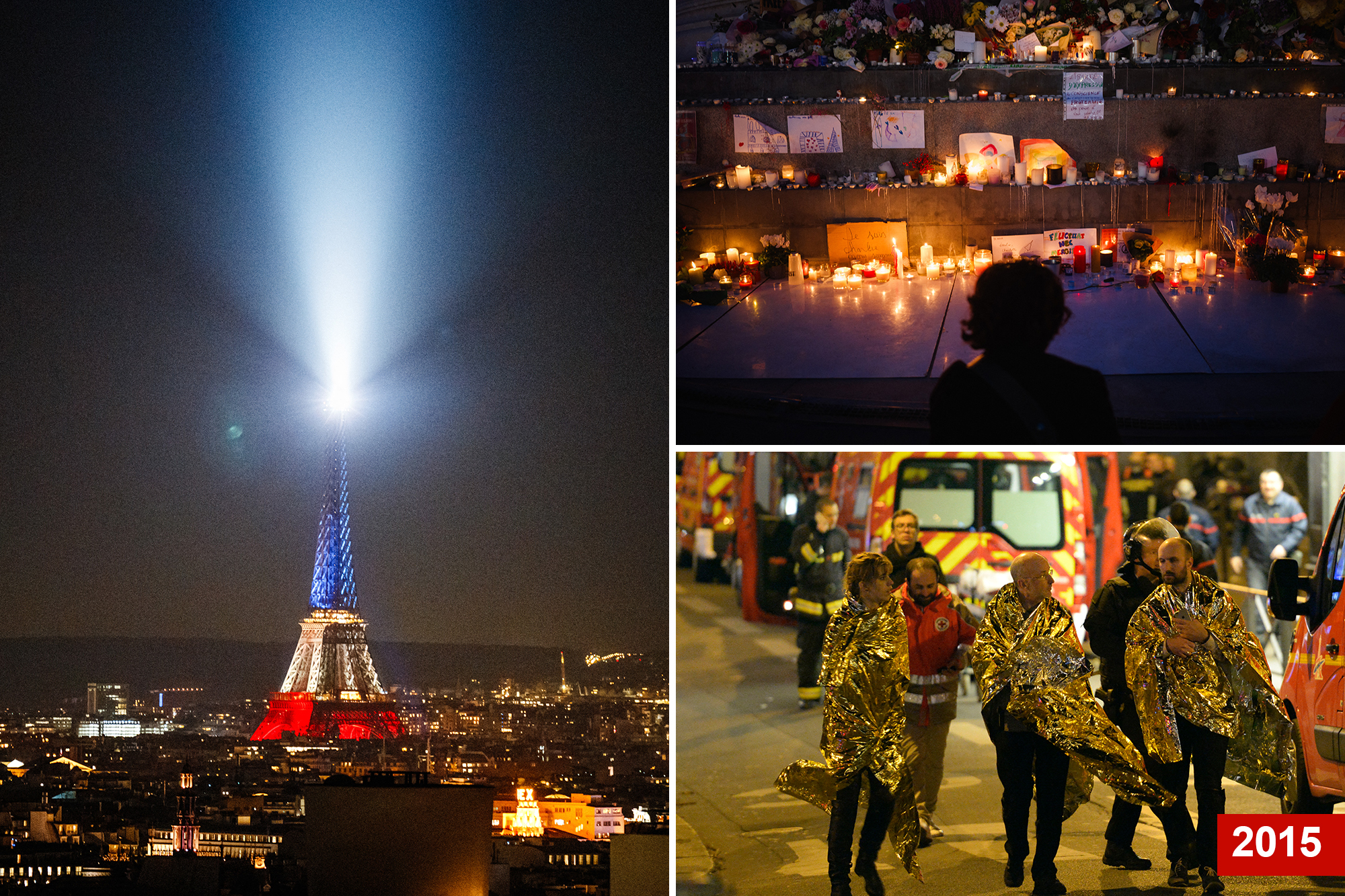
At Place de la République, Parisians are gathering to pay their respects by leaving candles, flowers, and notes at the base of the statue of Marianne, a national symbol. This communal act of remembrance mirrors the sentiments expressed in 2015, with children accompanying their parents to participate in lighting candles and laying flowers. City officials have requested that the public maintain a respectful atmosphere, ensuring that families have the space they need during these poignant moments.
On the eve of the anniversary, a nighttime vigil drew dozens of attendees to Place de la République, where Mayor Hidalgo remarked, “Ten years later, the emotion is still intact.” She emphasized the importance of sharing hope, even amidst ongoing grief and absence.
Jardin du 13-Novembre, a newly conceived memorial garden opposite City Hall, will serve as a focal point for the ceremonies. Developed in collaboration with victims’ associations, the garden features granite stelae bearing the names of those killed, along with plantings that reflect the attack sites and benches designed for reflection. Families requested small elements of life, such as bird baths and nesting boxes, to create a nurturing environment for children.
The ceremony is scheduled for 18:00 local time and will include both Macron and Hidalgo. Following the events, the Eiffel Tower will be illuminated in the colors of the French flag, serving as a silent tribute to the victims. Additionally, the French Football Federation will observe a minute of silence during a World Cup qualifier match against Ukraine at Parc des Princes.
On that fateful Friday, November 13, 2015, nine gunmen and suicide bombers affiliated with the Islamic State group executed a series of attacks that unfolded within minutes. Suicide bombers detonated their explosives outside the Stade de France, while gunmen opened fire on cafe terraces. The assault reached its peak when three attackers stormed the Bataclan at 21:47, resulting in the deaths of 90 concertgoers before police intervened. Among the recognized victims are two survivors who later took their own lives.
For many survivors, the anniversary reopens deep wounds. Arthur Dénouveaux, who escaped the Bataclan and now leads the Life for Paris association, stated, “The 10th anniversary is here and emotions and tension are everywhere for us survivors. You never fully heal. You just learn to live differently.” Survivors share the challenge of rebuilding their everyday lives—work, friendships, and simple joys—after experiencing such trauma.
A trial held from 2021 to 2022 concluded with life imprisonment without parole for Salah Abdeslam, the lone surviving assailant, alongside convictions for 19 others involved in the attacks. While accountability has been established, many survivors maintain that this does not erase the trauma or the ongoing process of recovery; instead, it reinforces the need for vigilance in protecting what is dear.
As names are read and wreaths laid at various memorials, the consistent message from officials and families resonates: remember the victims, honor the responders, and cherish the everyday experiences that the attackers sought to obliterate. The intent behind the commemorations is clear: to foster grief without spectacle, allowing for memory while creating space for the living.