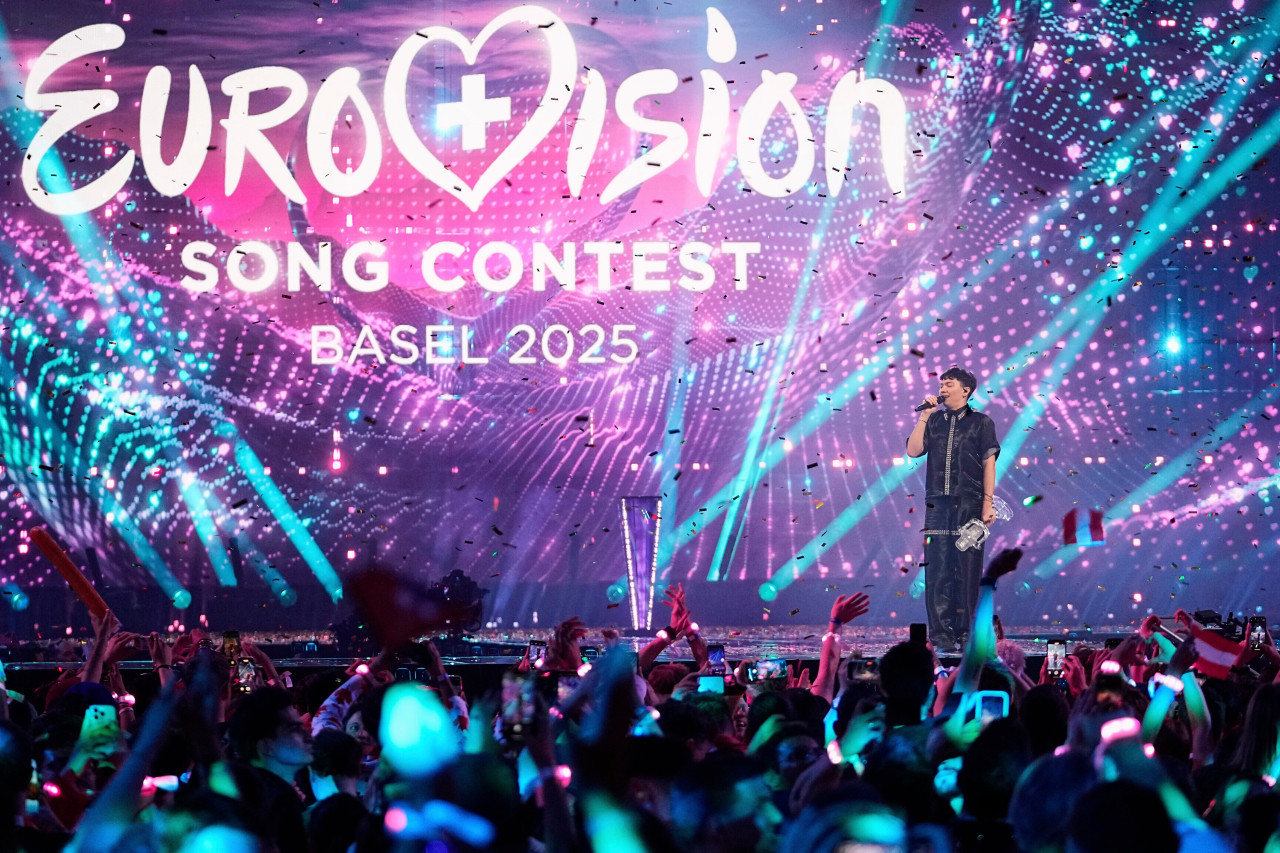
Spain, Ireland, the Netherlands, and Slovenia have officially announced their withdrawal from the 2024 Eurovision Song Contest. This collective decision stems from a protest against the participation of Israel in the event, reflecting growing tensions surrounding the country’s political situation.
The four countries expressed their concerns over Israel’s continued involvement in the competition, despite calls for its suspension due to ongoing conflicts in the region. The Eurovision Song Contest, scheduled to take place in May 2024, is known for promoting diversity and unity through music. The countries’ exit highlights a significant political stance within a traditionally celebratory event.
Political Context Behind the Boycott
This boycott is rooted in deeper political sentiments among some European nations regarding Israel’s policies. The decision came shortly after various advocacy groups urged participants to reconsider their involvement in the contest, citing human rights concerns. These groups argue that Eurovision should represent values of inclusivity and peace, which they believe are compromised by Israel’s actions.
The Eurovision Song Contest has historically served not only as a music competition but also as a platform for cultural exchange. The withdrawal of these four nations signals a shift in how some countries view their participation amidst ongoing geopolitical issues. While the official organizers of the contest have yet to respond to these withdrawals, the implications for future events and participation remain to be seen.
Reactions and Implications
Reactions to the boycott have been mixed. Supporters of the decision argue that it is a necessary stand against perceived injustices, while critics warn that such actions could politicize what has traditionally been a non-political event. The impact of this boycott may extend beyond the contest itself, as it could influence public perception and future participation by other countries.
The Eurovision Song Contest has a reputation for fostering unity among diverse cultures, but the current geopolitical climate poses challenges to that mission. As the event approaches, it remains uncertain how these withdrawals will affect the overall participation and atmosphere of the contest in 2024.
The decision by Spain, Ireland, the Netherlands, and Slovenia highlights a growing trend among nations to take political stances in cultural arenas. As discussions surrounding Israel and its policies continue, the outcome of this year’s Eurovision will likely reflect broader sentiments within Europe and the international community.