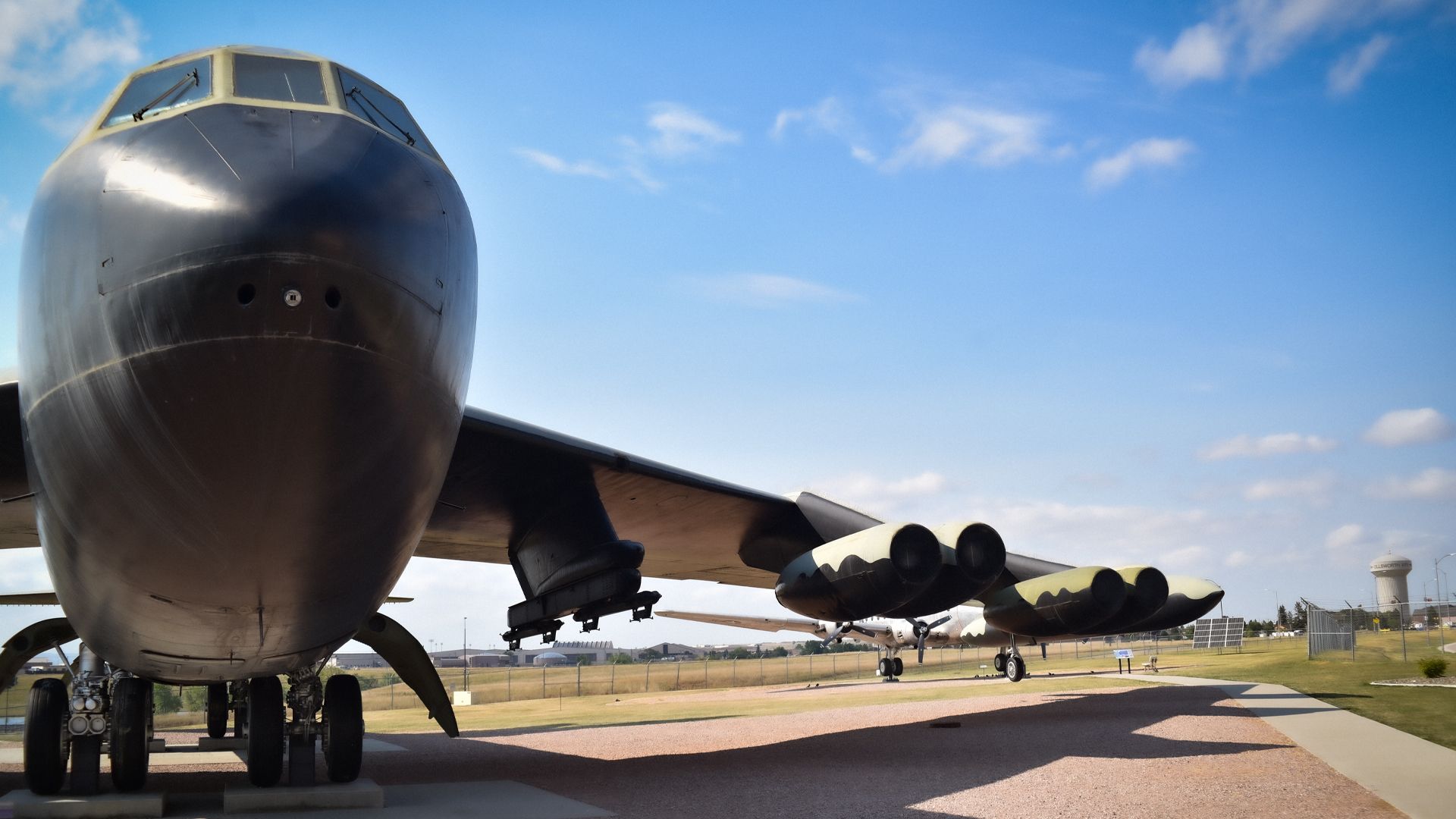
The United States maintains a significant strategic bomber fleet, operating the second-largest inventory globally under the Air Force Global Strike Command (AFGSC). This fleet, comprising approximately 130 bombers, is not only smaller than that of the Chinese Air Force but also technologically advanced. The aircraft are distributed across several bases, allowing rapid deployment and minimizing vulnerability to large-scale attacks. This article examines the four largest airbases housing these bombers, each equipped with specialized facilities to support different airframes.
Whiteman Air Force Base: Home of the B-2 Spirit
Whiteman Air Force Base in Missouri stands as the sole base for the B-2 Spirit, hosting the entire fleet of 19 active bombers. These aircraft are operated by the 509th Bomb Wing and the 131st Bomb Wing of the Missouri Air National Guard. Selected as the second operational base for the upcoming B-21 Raider, Whiteman is undergoing significant changes to accommodate this new addition.
Originally a Minuteman II Intercontinental Ballistic Missile base, Whiteman transitioned to a bomber hub after the disarmament initiatives following the collapse of the USSR. According to an Air Force report, the base will see an increase of over 1,021 personnel, raising the total to 20,429 after the B-21 fleet arrives. Additionally, annual airfield operations are projected to rise from 29,771 to 31,751 once all new aircraft are operational.
The first B-2 arrived in 1993, and the wing achieved Initial Operational Capability in 1997. The B-2’s combat debut occurred during Operation Allied Force in 1999, showcasing its long-range capabilities.
Ellsworth Air Force Base: Future B-21 Raider Hub
Located near Rapid City, South Dakota, Ellsworth Air Force Base is home to the 28th Bomb Wing and will become the first operational base for the B-21 Raider. The base currently hosts two of the Air Force’s three active B-1B Lancer squadrons, the 34th Bomb Squadron and the 37th Bomb Squadron. Ellsworth oversees the largest training airspace in the continental United States, which spans four states and allows for extensive bomber training exercises.
The transition to the B-21 Raider represents a significant evolution in U.S. airpower. The first operational B-21 is expected to arrive in March 2027. Ellsworth is undergoing a transformation, with an investment exceeding $1.5 billion to support the new aircraft. Dale White, the Director of Critical Major Weapon Systems at the Pentagon, emphasized the necessity of accelerating the delivery of this critical capability.
Dyess Air Force Base: Key Strike and Airlift Hub
Dyess Air Force Base in Abilene, Texas, plays a crucial role in the U.S. Air Force’s strike and airlift operations. The base is home to approximately 33 B-1B Lancer aircraft operated by the 7th Bomb Wing, which also serves as the formal training unit for all B-1B aircrews. Dyess has been designated as the third main operating base for the B-21 Raider.
Secretary of the Air Force Troy Meink voiced the importance of the B-21 in strengthening long-range strike capabilities and deterrent strategies. The arrival of the B-21 will reintroduce nuclear weapons capability to Dyess for the first time since the 1990s, with ground-breaking for a new mission planning facility planned for 2026.
Dyess also hosts the 317th Airlift Wing, the largest Lockheed Martin C-130J Super Hercules unit globally. The base currently supports around 15,000 personnel and contributes over $3.6 billion annually to the Texas economy.
Barksdale Air Force Base: Headquarters of the AFGSC
Barksdale Air Force Base in Louisiana is the largest bomber base in the United States, operating approximately 44 B-52H Stratofortresses through the 2nd Bomb Wing and an additional 18 to 20 operated by the 307th Bomb Wing. The base serves as the permanent headquarters for the AFGSC, overseeing all bomber wings and the nation’s three ICBM wings.
Barksdale is at the forefront of the B-52J upgrade, which includes enhancements such as new Rolls-Royce engines and digital cockpit systems, ensuring the aircraft remains operational until the 2050s. Michael Maginness, the commander of the 2nd Bomb Wing, highlighted the strategic importance of the B-52 in demonstrating U.S. support for allies and deterrence.
The upgrades will allow the B-52 to adapt to modern warfare needs, featuring improved fuel efficiency and reduced maintenance costs. The base is also preparing for the introduction of the Long-Range Stand-Off cruise missile, which will further enhance its operational capabilities.
As the U.S. Air Force continues to evolve its strategic bomber fleet, these four bases will play pivotal roles in ensuring the nation’s readiness and capability in the face of emerging global threats. The integration of the B-21 Raider alongside existing bombers marks a transformative period in American military aviation, reflecting a commitment to maintaining technological superiority in the skies.