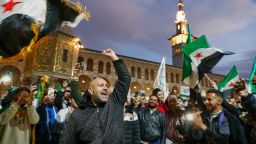
Clashes between the Syrian Army and the Kurdish-led Syrian Democratic Forces (SDF) resulted in at least three fatalities and 31 injuries in Aleppo on Monday, as discussions continued on integrating the SDF into Syria’s state institutions. The violence broke out less than a week before a crucial deadline tied to a March 10 agreement, which aimed to establish a nationwide ceasefire and facilitate the integration of civil and military structures in northeastern Syria.
The Syrian Army’s operations in Aleppo, a city of strategic importance, have led to significant civilian casualties. According to the Damascus-run Aleppo Health Directorate, at least two civilians were killed and eight others wounded due to SDF shelling on residential areas. In contrast, Farhad Shami, head of SDF media, reported that one civilian died and 23 were injured, including six security personnel, following attacks from “factions affiliated with the Damascus government.”
Both the SDF and the Syrian Defense Ministry exchanged accusations regarding the initiation of hostilities. The Defense Ministry stated that its forces were responding to SDF fire targeting civilian homes and military positions in Aleppo. Following the outbreak of violence, both parties declared a temporary halt to attacks, with the SDF citing “ongoing de-escalation contacts” as the reason for their decision.
Negotiations and International Reactions
In the backdrop of the clashes, Syrian Foreign Minister Asaad Hassan al-Shaibani commented that the SDF had not demonstrated sufficient commitment to the March 10 agreement. He indicated that Damascus had recently submitted a proposal to advance the integration process and was awaiting the SDF’s response. The ongoing violence raises concerns about the feasibility of these negotiations.
On the international front, Turkish Foreign Minister Hakan Fidan visited Damascus to express Turkey’s support for the integration talks, emphasizing their importance for Syria’s stability. During a joint news conference, Fidan stressed that the integration of the SDF into Syria’s administration must occur through dialogue and reconciliation. He warned that alternate approaches could jeopardize security within the region, adding that the SDF had shown “little intention” to progress in the negotiations.
Turkey has a long-standing opposition to the SDF, which has received support from the United States in its efforts against the Islamic State group. Ankara views the SDF as closely linked to the Kurdistan Workers’ Party (PKK), a group it designates as a terrorist organization.
The situation remains highly volatile as both the Syrian Army and the SDF navigate the complex landscape of military engagement and diplomatic negotiations. The coming days will be crucial in determining whether a peaceful resolution can be achieved or if further violence will ensue.