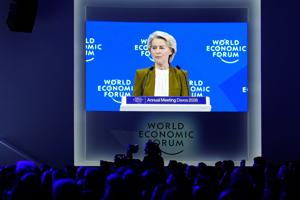
Corporate leaders and government officials convened in Davos, Switzerland, this week for the annual World Economic Forum, a platform for discussing pressing global economic issues. Among the notable attendees is U.S. President Donald Trump, whose presence has intensified conversations around international trade relations and potential tariffs.
As discussions unfold, the looming threat of tariffs proposed by the Trump administration is a significant concern among participants. The business community is particularly anxious about how these tariffs might affect global supply chains and international commerce. The economic policies being considered could have far-reaching implications, not only for the United States but also for economies worldwide.
Numerous leaders from various sectors have expressed their views on these potential tariffs. They emphasize the importance of maintaining open trade channels to support economic growth and stability. The discussions in Davos serve as a critical juncture for policymakers and business executives seeking to navigate an increasingly complex trade landscape.
The backdrop of the forum includes ongoing debates regarding climate change, technological innovation, and the need for sustainable development. As the world grapples with these challenges, the role of tariffs and trade agreements will likely shape future economic policies.
In recent years, the World Economic Forum has become a focal point for leaders to collaboratively address these global issues. This year’s gathering features high-profile speakers and panels that aim to foster dialogue and generate actionable solutions.
With the forum scheduled to run until January 24, 2024, participants remain hopeful that constructive discussions will lead to a clearer path forward in an uncertain economic climate. The decisions made here could influence trade relations for years to come, highlighting the importance of collaboration among nations.
The impact of tariffs extends beyond borders, touching on various sectors, including manufacturing, agriculture, and technology. As many executives prepare to address these challenges, the forum provides a unique opportunity to align strategies and advocate for policies that prioritize long-term growth over short-term gains.
As the week progresses in Davos, the convergence of corporate leaders and government officials underscores the significance of international cooperation in tackling economic challenges. The outcome of these discussions may very well shape the future of global trade and economic relations.