ConocoPhillips is navigating significant challenges as it considers a return to the Venezuelan oil market, which is fraught with complications, including a recent kidnapping incident and an ongoing financial dispute. The company, which had exited Venezuela years ago, is now contemplating re-entry as U.S. President Donald Trump encourages oil companies to invest in Latin America, emphasizing the region’s potential for growth.
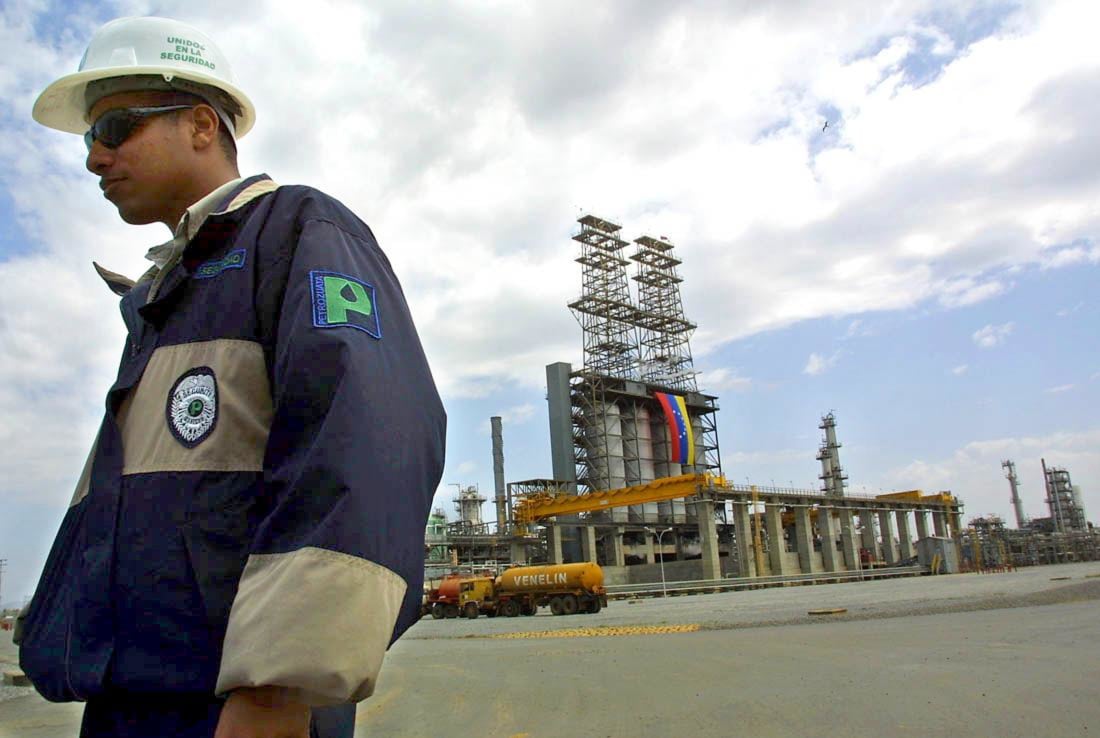
The situation in Venezuela remains precarious, with the country’s oil industry under the control of state-owned PDVSA (Petroleos de Venezuela, S.A.). After years of economic turmoil and sanctions, the Venezuelan government is eager to attract foreign investment to rejuvenate its oil production capabilities. However, for ConocoPhillips, the obstacles are significant. The company is entangled in a lengthy dispute with the Venezuelan government, amounting to a claim of approximately $12 billion stemming from its earlier nationalization in 2007.
ConocoPhillips exited Venezuela amid a series of nationalization efforts that saw the government take control of foreign-operated oil fields. The company has been seeking compensation through international arbitration, with the outcome still pending. The complexity of this legal battle adds layers to the company’s potential re-entry strategy.
Kidnapping Incident Raises Concerns
In addition to the legal challenges, a recent kidnapping incident involving oil workers has raised alarms regarding security in the region. Reports indicate that armed groups have targeted workers in the area, highlighting the risks associated with operating in Venezuela. This incident underscores the difficulty of conducting business in a country where safety concerns are prevalent, further complicating ConocoPhillips’ decision-making process.
While President Trump advocates for increased U.S. involvement in Latin America’s oil sector, he has also acknowledged that the “bar’s likely higher” for companies considering a return to Venezuela. This sentiment reflects a broader concern over the political and economic stability of the country, as well as the potential repercussions of U.S. sanctions.
ConocoPhillips, which has a history of operating in challenging environments, must weigh the benefits of re-entering a market with substantial reserves against the risks of political instability, ongoing legal disputes, and security threats. The company’s leadership is likely to conduct thorough assessments before making any commitments.
Industry Outlook and Future Prospects
The future of the oil industry in Venezuela remains uncertain. With production levels at a fraction of their former capacity, the country is desperate for foreign investment to revive its oil output. Yet, the path forward is riddled with challenges. The international community continues to monitor the situation closely, particularly in light of the geopolitical implications of U.S. involvement in the region.
For ConocoPhillips, the decision to return to Venezuela will not only hinge on financial calculations but also on a comprehensive evaluation of the operational landscape. The company must consider the implications of potential sanctions, legal battles, and the socio-political climate, which remains unpredictable.
As the oil market evolves, companies like ConocoPhillips will have to navigate a complex web of opportunities and challenges. The road ahead may be fraught, but the potential rewards of re-entering a resource-rich country like Venezuela are undeniably enticing. Ultimately, the company’s strategic choices will play a crucial role in its future positioning within the global oil market.