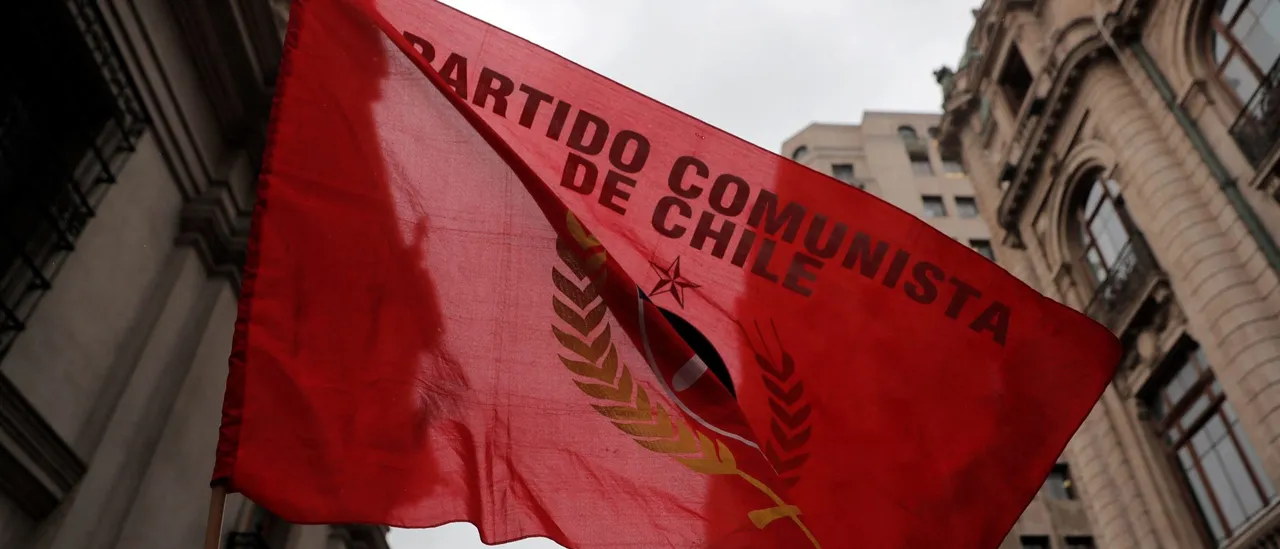
A significant political contest is unfolding in Chile as Jeannette Jara, the candidate from the Communist Party, prepares to face off against José Antonio Kast, a veteran conservative politician, in the presidential run-off scheduled for October 2023. Both candidates secured pluralities in the first round of elections, marking a pivotal moment that could influence the ongoing right-wing resurgence across Latin America.
The political landscape in Latin America has shifted noticeably in recent years. Right-wing candidates such as Javier Milei in Argentina and Rodrigo Paz in Bolivia have achieved significant electoral victories, reflecting growing public sentiment against leftist governments following economic difficulties and rising crime rates. Chile itself has not been immune to these issues, facing a surge in violent crime and economic pressures that have polarized its electorate.
Jara and Kast represent starkly contrasting visions for Chile’s future. Jara advocates for an expanded social safety net, emphasizing support for the underprivileged, while Kast proposes reducing the size of government to foster economic growth. In a notable endorsement, Kast has expressed his admiration for former President Donald Trump, declaring his 2024 election victory as a “new victory for freedom and common sense.”
While Jara has embraced her communist identity, she argues that the negative perceptions of communism stemming from the Cold War are outdated. She maintains that her vision aligns with contemporary needs, focusing on social equity and justice. The current president, Gabriel Boric, who assumed office in 2021 following widespread protests over social issues, has faced criticism for his government’s handling of the economy and has acknowledged the failures of leftist policies in Chile.
Chile’s economy remains stagnant, with low investment rates and productivity posing ongoing challenges as the nation heads into this critical election. The political climate has been tumultuous, marked by two failed attempts to reform the constitution, further complicating the situation for voters seeking solutions.
As the run-off approaches, the implications of this election extend beyond Chile’s borders. The outcome may signal broader trends in regional politics, particularly regarding the balance of power between leftist and right-wing ideologies in Latin America.
The State Department has yet to respond to inquiries regarding the electoral landscape in Chile, underscoring the international interest in this election. With both candidates firmly entrenched in their ideologies, the contest promises to engage voters and observers alike in a debate over the direction of Chile’s political and economic future.