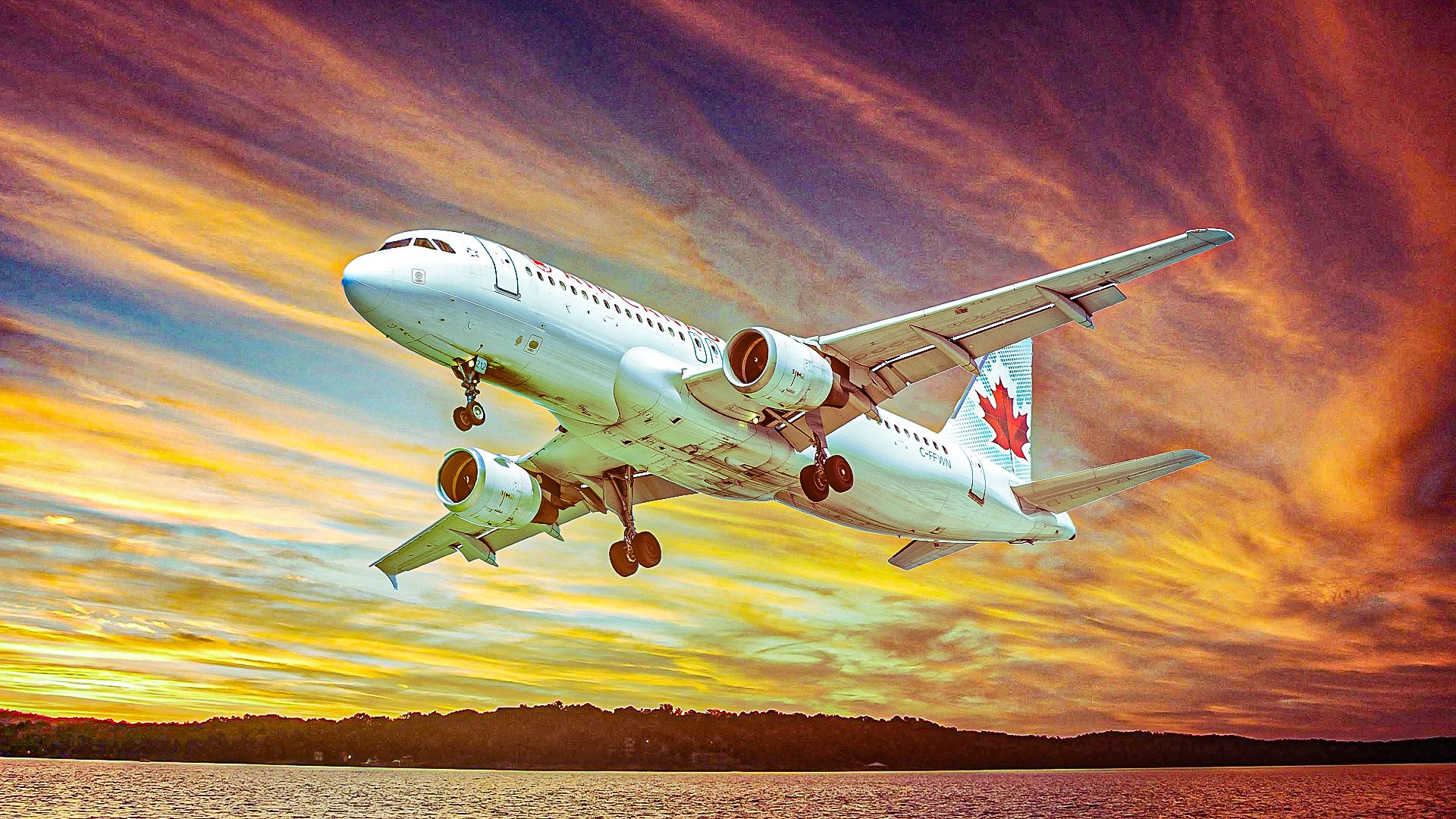
Canadian airlines are significantly reducing their flight capacity to the United States by approximately 10% as demand for travel diminishes. This adjustment follows a period of strained political relations between the two countries and changing travel preferences among Canadians. According to a report from The Globe and Mail, the reduction reflects a broader trend in the aviation industry that has seen about 450,000 fewer seats available for US-bound flights during the first quarter of 2026 compared to the same period in 2025.
Impact on US Destinations
The cuts affect key leisure destinations such as Florida and Las Vegas, which have traditionally attracted Canadian travelers seeking warm weather. For instance, airlines are reducing capacity to popular cities like Orlando, Miami, and Las Vegas, which are known for their appeal to tourists. Overall, this change represents a daily reduction of around 5,000 seats from Canada to the US.
Air Canada, the country’s flag carrier, has trimmed its capacity by roughly 7%, which is a relatively modest adjustment given its focus on both leisure and business travel. In contrast, WestJet, a hybrid airline, has implemented a more substantial cut, reducing its US capacity by approximately 20%. Flair Airlines, specializing in low-cost travel, has made the most dramatic reduction, slashing its US seat capacity by nearly 60%.
Shifting Demand to Other Markets
As Canadian airlines reduce flights to the United States, there is a noticeable increase in demand for travel to alternative destinations, particularly in Latin America. Countries like Costa Rica and popular Mexican cities such as Cancun are experiencing heightened interest from Canadian travelers. This shift is encouraging airlines to reallocate resources, including aircraft and crews, to regions where demand is rising.
Domestic travel is also growing more popular among Canadians, even without equivalent warm-weather options available within the country. Airlines can easily adjust their short-haul flight schedules to accommodate this shift in passenger preferences. While travelers may face increased fares and fewer schedule options for US flights, the additional capacity directed towards Latin America and domestic routes is likely to keep prices stable or even lower for these destinations.
The evolving landscape of air travel reflects broader trends across North America. The airline industry in the United States has shown robust performance among legacy carriers, capitalizing on strong international travel while domestic routes have lagged due to economic uncertainties. The reversal of historical trends has seen more Americans visiting Canada than vice versa in 2025, indicating a shift in tourism patterns that could continue in the near future.
Overall, the adjustments made by Canadian airlines highlight the impact of changing travel sentiments and political relations with the United States. As airlines adapt to these new realities, passengers will experience a different travel landscape, with an emphasis on emerging markets and domestic travel options.