Bristol is set to launch a pioneering “clean power hub” in summer 2024, aiming to provide sustainable energy to festivals and film crews. This initiative, led by the Bristol City Council and the West of England Mayoral Combined Authority, marks a significant step in the city’s commitment to promoting eco-friendly practices in the cultural sector.
The clean power hub will allow events like concerts and film productions to access electricity sourced entirely from 100% renewable suppliers. The electricity will be stored in an array of batteries, which can be transported to various event sites as needed. This innovative approach represents the first large-scale effort by local governments anywhere in the world to ensure a guaranteed supply of clean energy for cultural activities.
Tony Dyer, leader of the Bristol City Council, emphasized the importance of involving all sectors in the city’s goal of becoming carbon neutral. He stated, “This is a welcome approach to exploring how we can support the events sector to move away from the use of fuel-driven generators, in turn improving air quality and lowering emissions.”
The initiative has garnered excitement among local leaders. Helen Godwin, the mayor of the West of England, noted the dual importance of clean energy and the creative industries in driving growth for the region over the next decade.
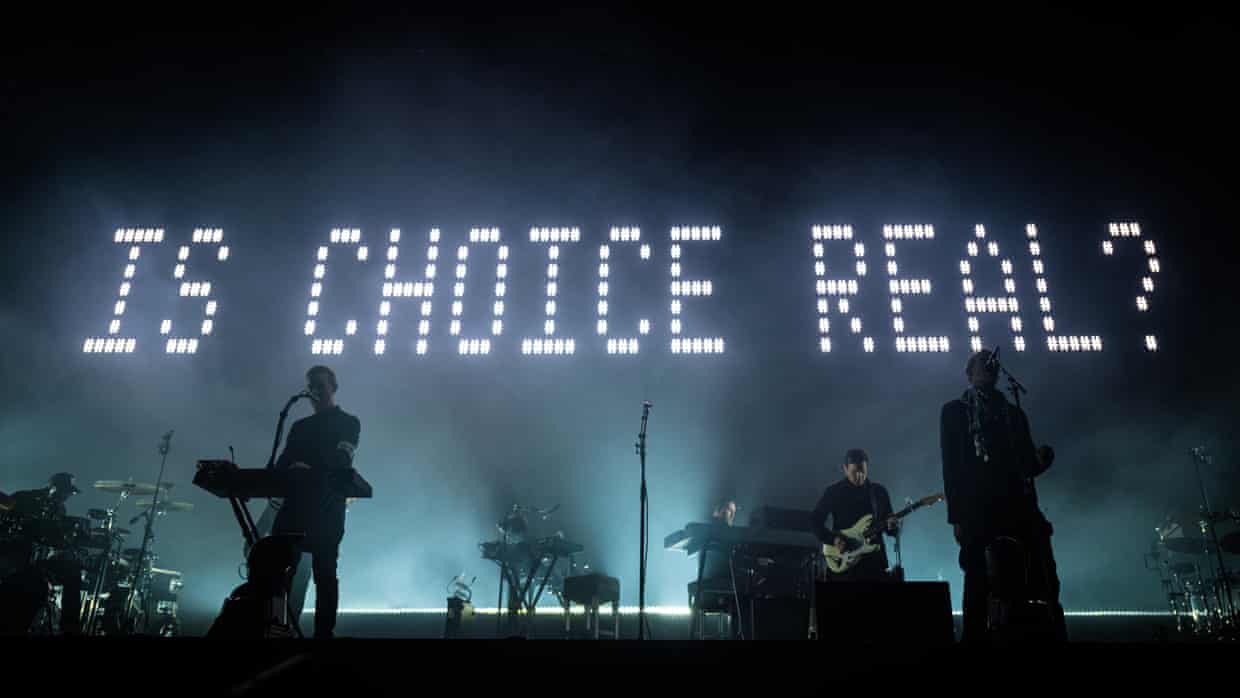
Last summer, a festival hosted by the renowned trip-hop group Massive Attack in Bristol utilized battery power and achieved record-low carbon emissions for such an event. The upcoming clean power hub aims to build on this success by providing a more extensive and reliable energy solution.
Two sites in Bristol have been designated for the power hub. Mark Donne, the lead producer of Act 1.5, a collective focused on merging art, science, and technology, stated that no other government or commercial entity has attempted a project of this magnitude. He described the hub as a means of providing “clean mobile power for an entire event season” encompassing festivals, cultural events, and film productions.
Donne anticipates that over 20 events will utilize this clean energy source instead of traditional generators, which can negatively impact the environment and the health of festival-goers and workers. Events like Love Saves the Day in May and Forwards Bristol in August have already expressed interest in participating.
While some event organizers may initially hesitate to fully transition to clean power, Donne is optimistic. He suggested a compromise, stating that it could be feasible for some events to adopt a 50/50 approach, blending clean and conventional power sources.
The project has also attracted interest from several film and television production companies that frequently operate in the region during the summer months. Donne revealed that “three big production companies” have confirmed they will utilize the clean power hub.
The environmental and health benefits of this initiative are expected to be significant. Experts from Tyndall Manchester, an organization dedicated to climate action and sustainability research, will evaluate the impact of the project. Donne remarked, “This is a clean-air strategy as well as a climate one, and a world-first for Bristol.”
As the city prepares to implement this ambitious project, the clean power hub is poised to set a new standard for sustainability in the events industry, reinforcing Bristol’s commitment to both cultural and environmental advancement.