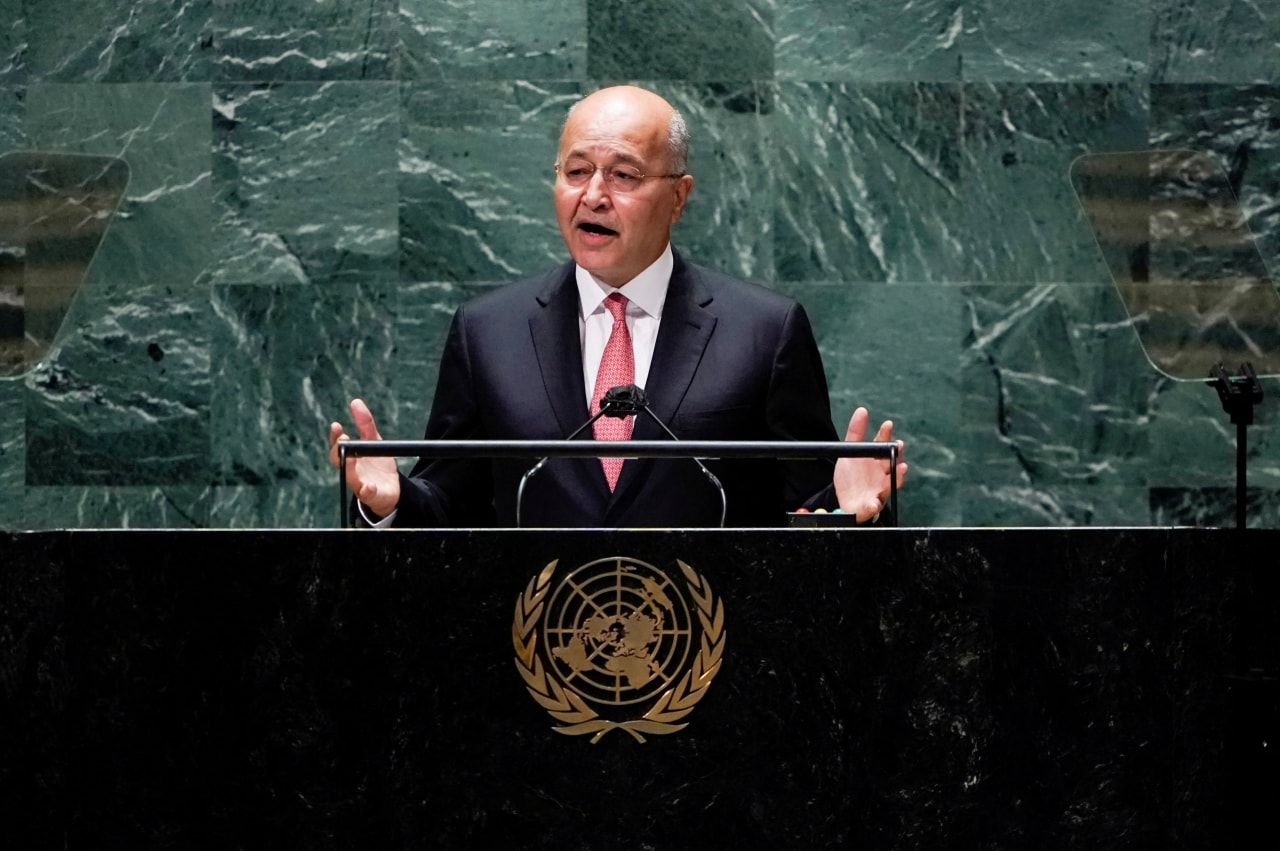
Barham Salih, the former President of Iraq, is being positioned as a strong candidate for the role of U.N. High Commissioner for Refugees. His background as a Kurdish leader and extensive political experience make him a compelling choice to address the growing global refugee crisis.
Throughout his political career, Salih has demonstrated a commitment to human rights and humanitarian issues. His tenure as a leader in Iraq has provided him with first-hand experience in managing complex socio-political challenges, particularly those affecting marginalized communities, including ethnic and religious minorities.
Salih’s Background and Qualifications
Born on July 12, 1960, in Sulaymaniyah, Iraq, Salih has a rich history in politics and governance. He served as Iraq’s Deputy Prime Minister and was a key player in drafting the 2005 Iraqi Constitution. His leadership during tumultuous times in Iraq has garnered him respect both domestically and internationally.
Salih’s deep understanding of the refugee situation in Iraq, exacerbated by years of conflict and instability, positions him uniquely to lead global efforts in this area. According to the United Nations, there are currently over 26 million refugees worldwide, many of whom are fleeing violence and persecution. Salih’s experience could help in formulating effective policies to support these vulnerable populations.
Endorsements and Support
His candidacy has gained traction among various international leaders and organizations. Many believe that Salih’s diplomatic skills and ability to engage with diverse communities will be crucial in fostering cooperation among nations to address refugee challenges. This sentiment is echoed by humanitarian groups that advocate for strong leadership at the U.N. during this critical time.
Supporters argue that Salih’s vision aligns with the U.N.’s mission to protect and assist refugees. His approach emphasizes collaboration and sustainable solutions rather than temporary fixes. The potential appointment of Salih comes at a time when the U.N. is under pressure to enhance its response to escalating crises, including the ongoing situations in Syria and Afghanistan.
In addition to his political acumen, Salih’s proficiency in English and several other languages enables him to communicate effectively on global stages. This skill is particularly valuable in negotiations and discussions involving multiple stakeholders, ranging from governments to non-governmental organizations.
Global Implications of His Potential Appointment
If appointed, Salih would succeed Filippo Grandi, who has held the position since 2016. The High Commissioner for Refugees plays a vital role in shaping international refugee policy and advocating for the rights of displaced individuals. Salih’s leadership could lead to innovative strategies that prioritize the needs of refugees while balancing the interests of host countries.
As the global community grapples with unprecedented levels of displacement, the choice of the next U.N. High Commissioner for Refugees will have significant implications for the future of international humanitarian efforts. Salih’s candidacy represents a hopeful direction that prioritizes compassion and effective governance.
In conclusion, Barham Salih’s potential appointment as the U.N. High Commissioner for Refugees not only reflects his personal qualifications but also highlights the urgent need for strong leadership in addressing the refugee crisis. With his experience and vision, Salih could play a pivotal role in shaping a more inclusive and supportive global response to one of the most pressing challenges of our time.