Artificial intelligence is playing a transformative role in Africa, with significant advancements aimed at enhancing healthcare, agriculture, and the overall economy. Initiatives across the continent are focusing on integrating AI technologies to address existing challenges and create opportunities for growth.
The African Union has set ambitious goals to harness AI for development, aiming to significantly improve the quality of life for millions by 2025. According to the World Health Organization (WHO), the use of AI in healthcare could reduce the burden of diseases and improve patient outcomes. By employing AI solutions, African nations can enhance diagnostic accuracy and streamline healthcare delivery.
Healthcare Innovations Drive Change
Countries like Kenya and Nigeria are at the forefront of these innovations. In Kenya, AI-driven platforms are being implemented to analyze patient data and facilitate remote consultations. These advancements not only improve access to healthcare but also help in early disease detection, which is crucial in a region where health resources are often limited.
In Nigeria, initiatives are underway to deploy AI in public health monitoring. A recent project aims to utilize AI algorithms to track the spread of infectious diseases. By 2023, this initiative is projected to help health authorities respond to outbreaks more effectively, thereby potentially saving thousands of lives.
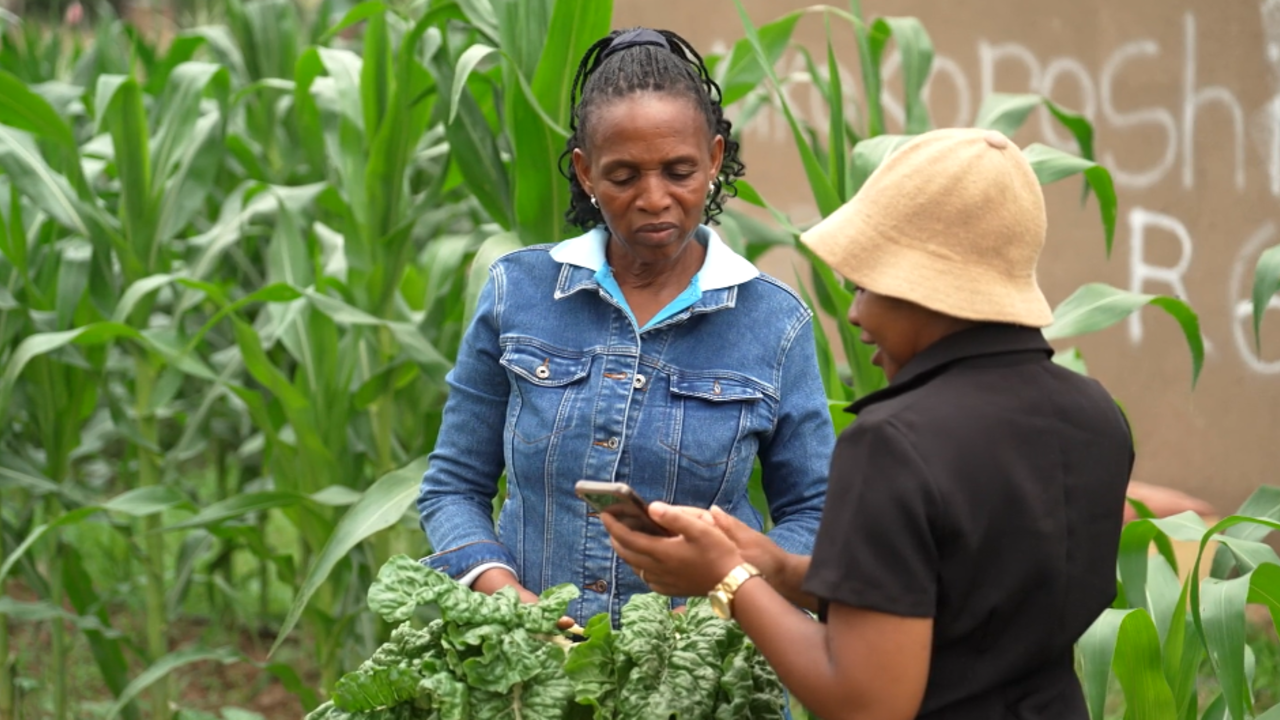
In addition to healthcare, AI is also transforming the agricultural sector. The United Nations (UN) reports that AI applications in farming can increase yields by 40%, a critical factor for a continent that relies heavily on agriculture. Technologies such as predictive analytics and automated irrigation systems are becoming essential tools for farmers looking to maximize productivity.
Economic Impact and Future Prospects
The economic benefits of AI in Africa are substantial. A recent study estimates that AI could contribute as much as $1.5 billion to the African economy by 2030. This projection highlights the potential for job creation and increased economic activity driven by technological advancements.
Several countries are investing heavily in AI research and development. For instance, South Africa has established multiple AI research centers to foster innovation and collaboration between universities and industry leaders. These centers aim to develop homegrown solutions tailored to the unique challenges faced by African nations.
While the potential for AI in Africa is significant, challenges remain. Access to technology, infrastructure limitations, and the need for skilled professionals are hurdles that need to be addressed. Governments and private sectors are urged to collaborate to create an ecosystem that supports AI growth.
In conclusion, Africa’s journey towards AI integration is a promising one, marked by innovation and the potential for substantial improvements in healthcare, agriculture, and economic performance. As the continent embraces these technologies, the impact on the quality of life for millions could be transformative, paving the way for a brighter future.