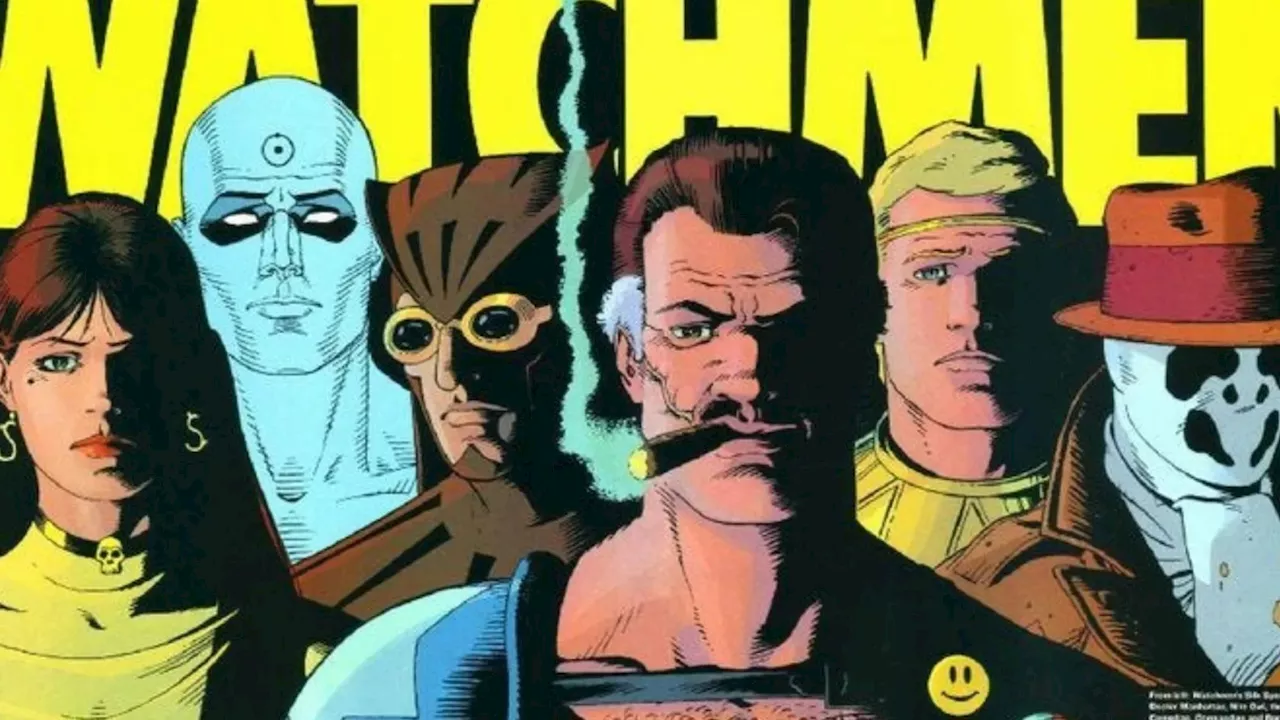
UPDATE: As Watchmen marks its 40th anniversary, a critical re-evaluation of its legacy reveals urgent questions about its influence on modern superhero comics. Originally published from 1986 to 1987 by writer Alan Moore, artist Dave Gibbons, and colorist John Higgins, this groundbreaking series is celebrated for its intricate storytelling and deconstruction of superhero archetypes. But as society evolves, so must our understanding of this iconic work.
Emerging perspectives suggest that the celebrated comic may have been both a reflection and a product of its time, specifically the anxieties of the Cold War era. The narrative dives deep into themes of governmental distrust and moral ambiguity, mirroring real-world events like the Watergate scandal and the Vietnam War. As we analyze its impact today, many argue that the legacy of Watchmen is being misinterpreted, raising vital questions about its relevance in a rapidly changing cultural landscape.
The intricate use of the nine-panel grid and symbolism has established Watchmen as a masterpiece. Yet, critics caution that its dense narrative and historical ties may render it a time capsule rather than a timeless commentary. As society has shifted since the late 1980s, the simplistic view that Watchmen stands as the definitive statement on superheroes feels increasingly outdated.
Many creators have drawn inspiration from Watchmen, yet the lessons taken from its success have often been misguided. The wave of dark and gritty narratives that followed frequently lacked the nuanced examination that made Watchmen special. Instead, they replicated its shock value without understanding its depth. This raises the pressing concern that contemporary narratives fail to address today’s issues with the same critical lens.
As we celebrate Watchmen, it becomes crucial to recognize other works that push the medium forward and offer fresh perspectives on heroism and morality. The comic landscape has evolved, and new narratives are emerging that reflect today’s anxieties and cultural shifts.
With the anniversary of Watchmen, readers and creators alike are urged to reflect on its legacy while also exploring the newer voices that challenge the established norms. The conversation about superhero storytelling is more urgent than ever, as we seek to navigate the complexities of modern life through this evolving art form.
As we look towards the future, the question remains: what new stories will emerge to redefine heroism in our current era? The influence of Watchmen persists, but it is time to embrace a broader narrative that captures the diverse experiences of today’s world.
Stay tuned for more updates on this ongoing dialogue within the comic community.