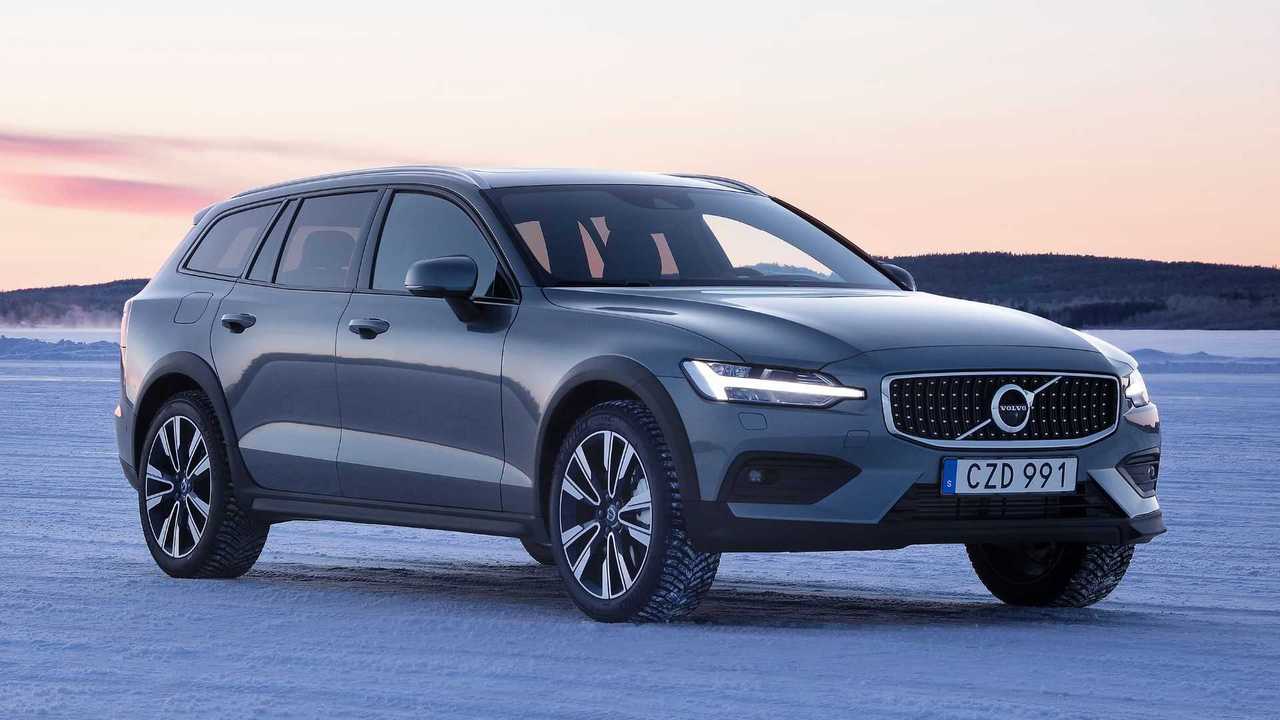
UPDATE: Volvo is set to become an all-SUV brand in the United States, with the last remaining wagon, the V60 Cross Country, nearing extinction. Order books for this model will close in late January 2024, and U.S. production will end by April 2024. Enthusiasts have little time left to secure one of these lifted estates, with inventory dwindling at dealerships.
The cancellation of the V60 Cross Country follows the earlier discontinuation of the V60 Polestar Engineered earlier this year. While the V60 will remain available in other markets, its demise in the U.S. marks a significant shift for Volvo, a brand historically known for its wagons. The larger V90 was discontinued globally just months ago, leaving fans of traditional cars disheartened.
Volvo cites a major shift in consumer preferences as the driving force behind this decision. According to company officials, buyers “overwhelmingly prefer SUVs,” leading to the decline of traditional car models. This trend is bittersweet for Volvo, which has long been synonymous with wagon-style vehicles. The company admits that while its XC SUV models are thriving in sales, the traditional wagon segment is faltering.
Sales figures underscore the urgency of the situation: through November 2023, Volvo sold just 3,630 V60 Cross Countrys and a mere 30 regular V60s in the U.S. The V90 Cross Country managed only 731 sales before it was phased out. The S60 and S90 sedans also struggled, failing to reach four-digit sales figures before their retirement.
For those hoping to grab a V60 Cross Country before it disappears, prices start at $53,495 for the Plus trim, with the Ultra version starting at $58,795. However, it remains uncertain how much longer the V60 will be available internationally, as the vehicle approaches its eighth birthday and enters a new phase of its lifecycle.
Despite this shift, Volvo is not abandoning traditional cars entirely. The S90 sedan remains available in select markets, and the brand is also introducing the fully electric ES90 as a five-door liftback. This suggests that while SUVs dominate the current landscape, Volvo may still have plans for a future that includes traditional vehicles.
As this situation develops, the automotive industry watches closely. The decline of the wagon reflects broader trends in consumer behavior, with SUVs continuing to surge in popularity. Volvo’s transition raises questions about the future of traditional cars and whether there is still a market for them in an SUV-dominated world.
Stay tuned for more updates on this evolving story as we monitor the fate of the Volvo V60 Cross Country and the brand’s future direction.