UPDATE: In a dramatic turn of events, US special forces successfully captured Venezuelan President Nicolas Maduro during an overnight raid on October 27, 2023. The operation unfolded as President Donald Trump monitored the situation from his estate in Mar-a-Lago, with Marco Rubio, his influential Secretary of State, by his side, marking a pivotal moment in US-Venezuela relations.
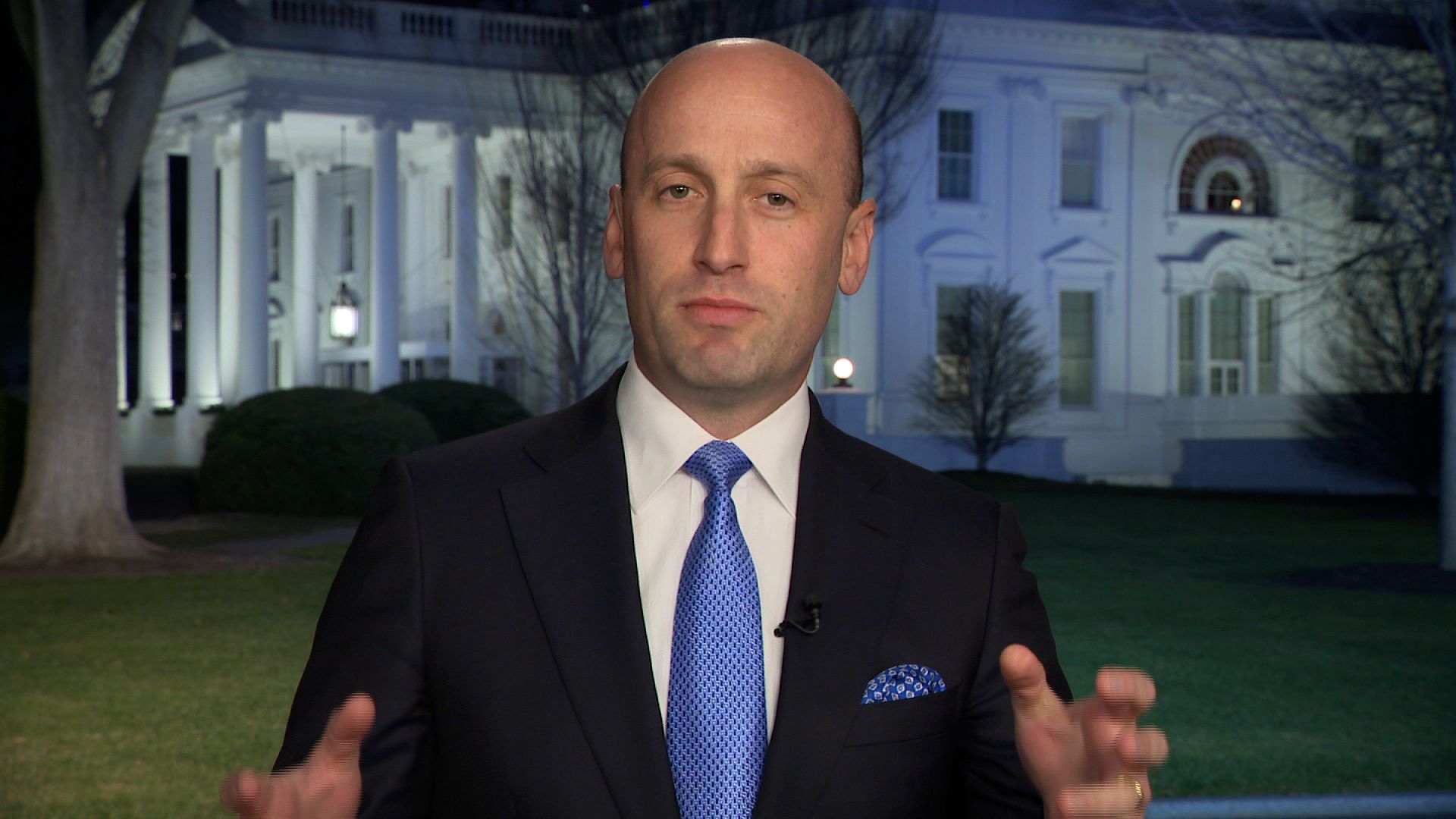
This bold action comes after years of strategic planning led by Rubio, a son of Cuban immigrants, who has long targeted Maduro’s regime. Sources indicate that Rubio has been a driving force behind the US government’s approach to Venezuela, rallying support from key officials in a tightly-knit circle that includes Deputy Chief of Staff Stephen Miller.
Just hours after the operation, Trump announced that Rubio would be tasked with overseeing efforts to “run” Venezuela, a vague yet significant responsibility that highlights Rubio’s growing influence in shaping US foreign policy. Experts are questioning the administration’s plan for a post-Maduro Venezuela and whether it can effectively manage the complexities of a nation larger than Iraq.
“We hope the administration has a clear plan moving forward,” said Todd Robinson, former acting US ambassador to Venezuela. “But historically, that hasn’t been the case.” As speculation mounts, Rubio’s leadership is set to be tested as he navigates the intricate political landscape left in the wake of Maduro’s capture.
In the months leading up to this operation, Rubio collaborated closely with Miller at the White House to devise a strategy targeting Maduro and his associates. The pair has focused on isolating Maduro and escalating military pressure, shifting from previous stances on immigration to a more aggressive approach that frames Maduro as a drug trafficker.
While Rubio has been instrumental in the operation, he now faces scrutiny from lawmakers who challenge his previous claims that the US was not pursuing regime change in Venezuela. Following the raid, he briefed Congress on the operation, asserting the need for economic pressure to weaken Maduro’s hold on power.
“We will continue to leverage our influence until we see positive changes for the Venezuelan people,” Rubio stated, emphasizing a commitment to US national interests, including migration and drug trafficking.
However, the administration’s lack of a clear plan raises questions about the future governance of Venezuela. Former officials express concern over the absence of a diplomatic presence in the country, complicating efforts for reconstruction and accountability.
Amid the chaos, Rubio remains a crucial figure, having communicated with interim president Delcy Rodriguez following the operation. Trump described their discussions as essential to shaping Venezuela’s future, indicating a potential shift in US policy.
“The best choice for those involved is to cooperate fully with the United States,” Miller commented, hinting at future negotiations with Maduro’s associates.
Critics remain skeptical about the administration’s next steps, particularly regarding the involvement of former allies of Maduro. As Rubio steps into this pivotal role, the complexity of governing Venezuela looms large, with calls for a special envoy to streamline the transition process.
As developments continue to unfold, the world watches closely. The implications of this operation extend far beyond Venezuela, touching on broader dynamics in US foreign policy and regional stability. The coming days will be critical as the US navigates uncharted territory in its efforts to reshape Venezuela’s political landscape.
Stay tuned for ongoing updates as the situation evolves.