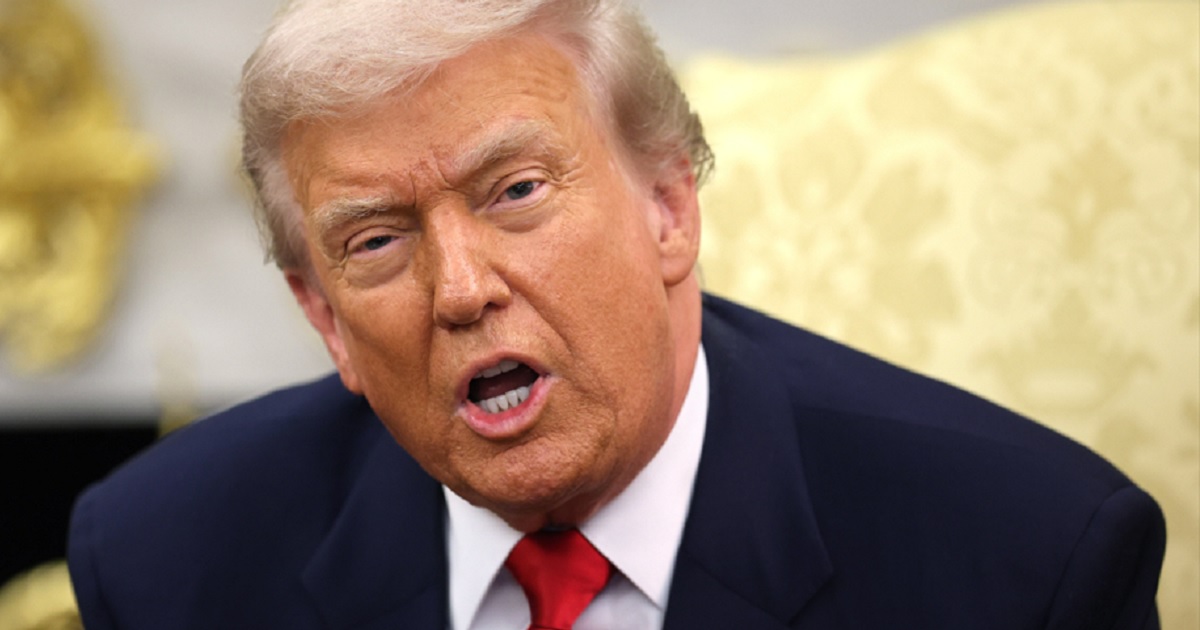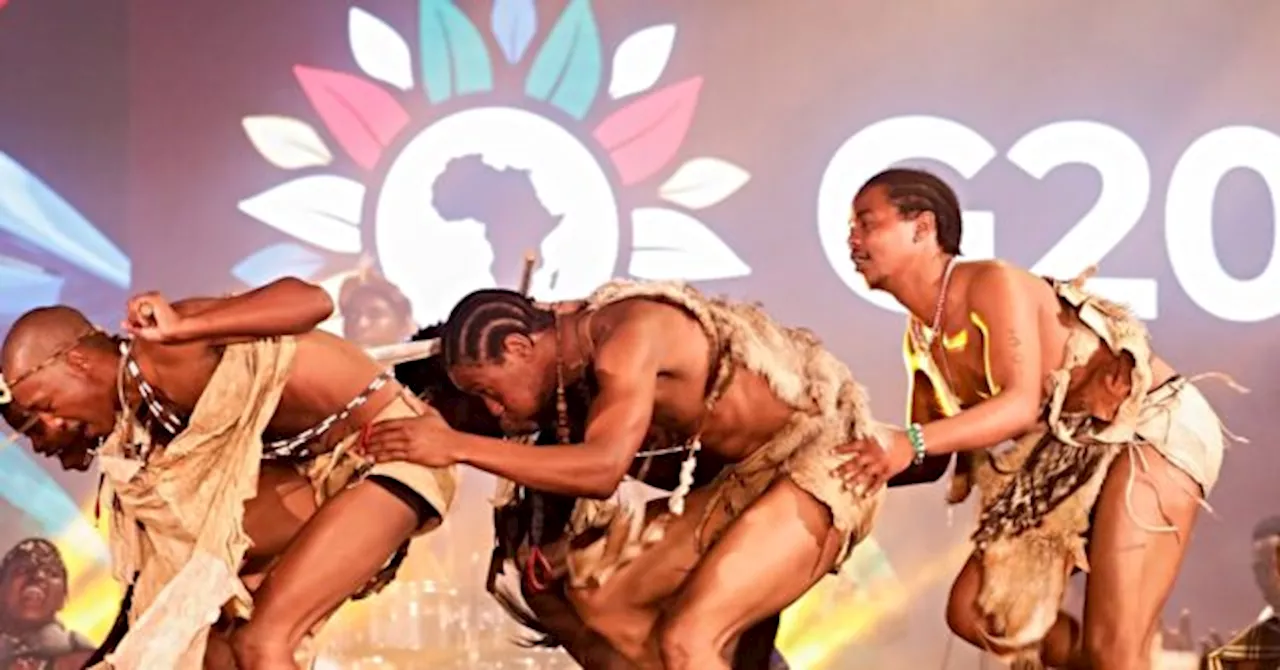
URGENT UPDATE: The United States has officially announced its boycott of the G20 Summit in South Africa due to escalating human rights concerns. President Donald Trump cited severe issues such as persecution and land confiscation as primary reasons for the decision, which comes just days before the summit set for November 21, 2025.
This significant diplomatic move leaves the G20, the world’s foremost economic forum, without representation from its most powerful member. While China, Russia, Mexico, and Argentina confirm attendance, Trump labeled the summit “a total disgrace,” insisting that no U.S. officials will participate as long as human rights abuses persist in South Africa.
South African President Cyril Ramaphosa downplayed the absence, stating, “it is their loss,” and noted that boycotting rarely leads to impactful outcomes. He emphasized that the summit will still proceed with discussions centered on “Solidarity, Equality, Sustainability,” addressing key topics like climate change and global debt relief.
Authorities in South Africa are preparing for potential protests, deploying 3,500 extra police officers and placing the military on standby to maintain order during the summit. This event marks the first time South Africa hosts the G20, as it holds the rotating presidency until November 30, when it will pass the baton to the U.S., which is currently boycotting.
As the summit approaches, it remains uncertain whether South Africa will achieve consensus on a joint statement among member nations, particularly in light of the boycott. The G20’s agenda will focus on vital discussions, including “Just, Affordable and Inclusive Energy Transitions,” and global calls for wealthier nations to enhance support for developing countries.
The timing of the summit is critical, coinciding with the conclusion of the COP30 climate conference in Brazil, which wraps up just hours before the G20 leaders convene. With heightened global attention on climate issues, the absence of the U.S. could impact negotiations and solidarity among member states.
As this situation develops, all eyes will remain on the G20 Summit, where the implications of the U.S. boycott are likely to resonate beyond South Africa, influencing international relations and discussions on human rights and environmental initiatives.
Stay tuned for more updates as this story unfolds.