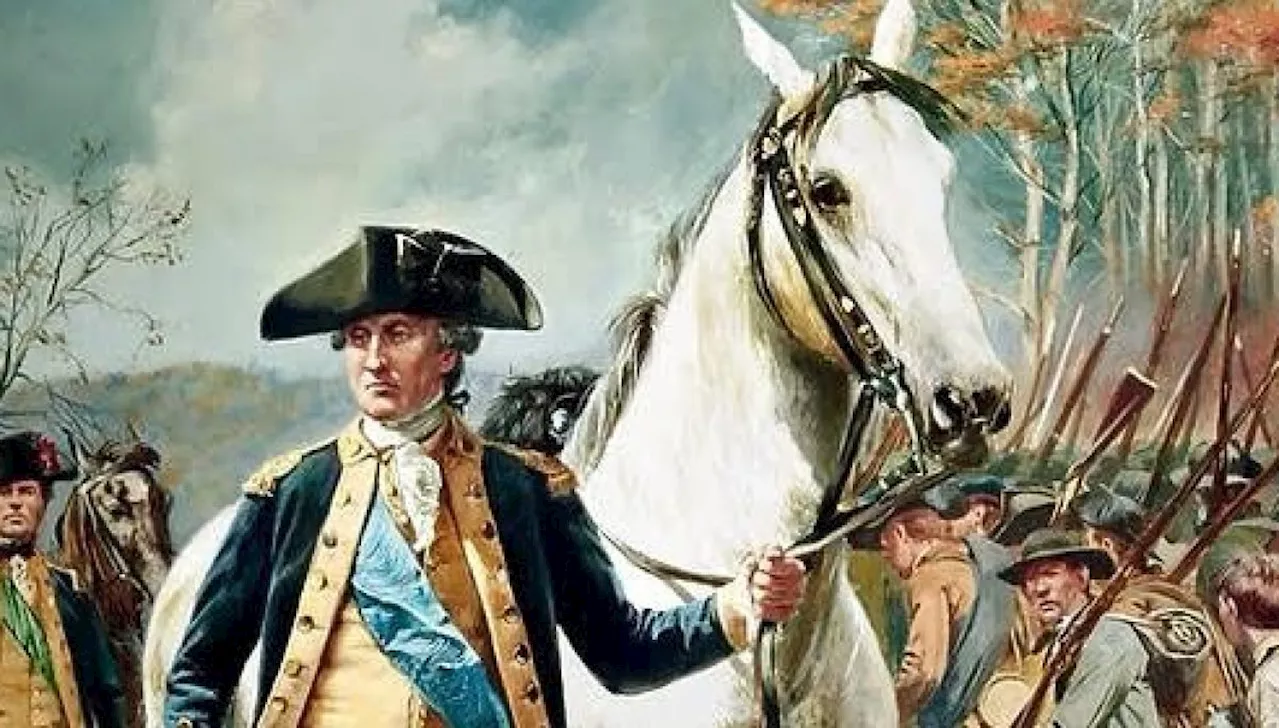
UPDATE: In a bold move that could change the course of history, George Washington has ordered his army to commence bombardment against British forces in Boston within the next two days. This decisive action comes as military leaders assess the critical dangers of a potential British takeover of Dorchester Neck, a strategic location vital for American troops.
Washington’s message to Maj. Gen. Artemas Ward outlines the urgency of the situation, noting, “After weighing all circumstances… the gentlemen here are of opinion that we should go on there Monday Night.” This marks a pivotal moment in the American Revolutionary War, as forces mobilize to challenge British dominance.
The American artillery will initiate fire from Lechmere Point in Cambridge, not from the anticipated Dorchester Heights. In a surprising twist, Washington is coordinating a stealth operation involving Gen. John Thomas and thousands of troops, who are moving toward Dorchester Heights under the cover of night. The troops are hauling dozens of cannons from Fort Ticonderoga, employing hay bales to muffle the sound of their approach, ensuring British forces remain unaware of the impending attack.
This operation, led by bookseller-turned-military leader Henry Knox, has taken over 50 days to execute amid harsh New England winter conditions. Knox’s ingenuity in transporting the cannons across difficult terrain highlights the determination and resourcefulness of the Continental Army.
As tensions escalate, the outcome of this bombardment could significantly impact the morale of both sides. If successful, it would demonstrate a united front among the colonies and a growing capability to challenge British forces directly. Conversely, failure could embolden the British and lead to dire consequences for the revolutionary cause.
Stay tuned for updates as this situation develops. The eyes of the nation are on Washington and his troops, as they prepare for what could be a historic confrontation.