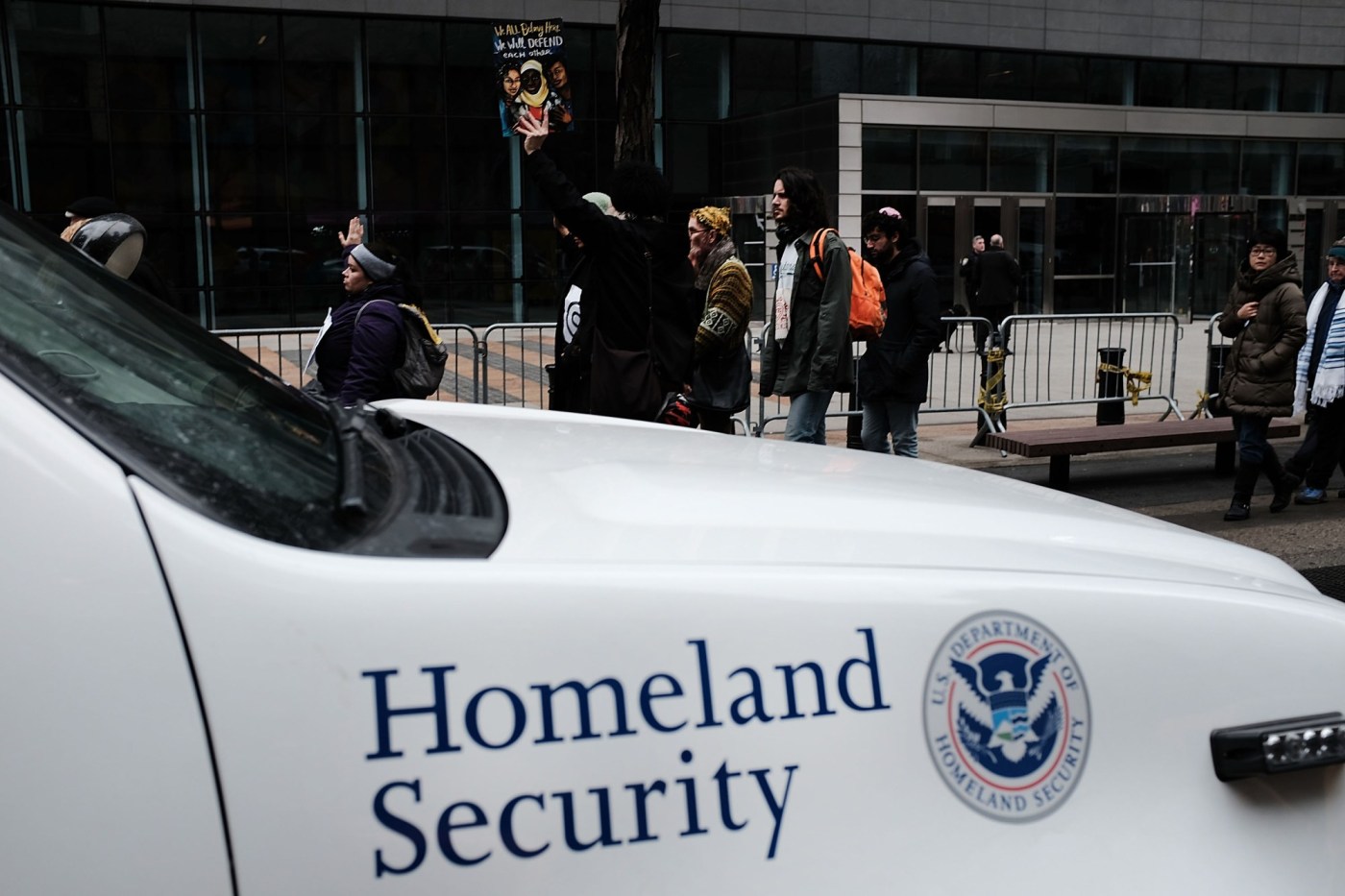
UPDATE: The mass deportation of irregular migrants in the United States is intensifying, fueled by the recently passed “Big, Beautiful Bill.” Reports confirm that the targets of this enforcement are not just criminals but hardworking individuals who have contributed to society for decades. The implications of this surge in deportations are significant and immediate for countless families across the nation.
Authorities have ramped up enforcement actions, leading to the apprehension of agricultural, construction, and hospitality workers who are often labeled as lawbreakers. This approach is not only provoking public outrage but also drawing sharp criticism from various leaders, including Archbishop Thomas Wenski of the Archdiocese of Miami. Archbishop Wenski highlights that many affected individuals possess some form of documentation and are contributing members of society.
The current climate echoes the relentless pursuit of justice depicted in Victor Hugo’s novel, “Les Misérables.” Echoing the character Inspector Javert, modern enforcement strategies appear to prioritize legalism over compassion, leading to the separation of families and the uprooting of individuals from communities they have known for years.
Archbishop Wenski, speaking out against these practices, stated, “Justice must be more than a cold and impersonal calculation.” He emphasizes that true justice involves recognizing the dignity of every individual, urging a shift from an enforcement-only model to comprehensive immigration reform.
The Archbishop’s remarks come in the wake of significant backlash against the Catholic bishops’ advocacy for irregular migrants. Critics argue that this stance undermines law and order, yet many see it as a necessary moral obligation. “An unjust law is no law at all,” reflected Wenski, aligning his position with the historical acts of civil disobedience seen in the United States, such as the Boston Tea Party and the courageous defiance of Rosa Parks.
The enforcement actions are causing irreparable harm, with families being torn apart and individuals deported to nations they have not known for decades. April 21, 2025, marks a pivotal moment as the public grapples with the ramifications of these policies. Many are calling for urgent intervention from Congress to address the flawed immigration system rather than simply enforcing existing laws.
As the situation develops, the need for a comprehensive approach to immigration reform has never been clearer. Advocates stress the importance of facilitating legal pathways for workers, promoting family reunification, and providing a route to citizenship for those who have established their lives in the U.S.
The urgency is palpable: as America stands at a crossroads, the call for justice, compassion, and reform resonates louder than ever. The nation has a rich history of welcoming those fleeing persecution and seeking better lives, a tradition that many feel must continue.
As debates unfold, watch for potential shifts in policy and public opinion surrounding immigration enforcement. The time for change is now, and the stories of those affected are urgent reminders of the human impact of these laws.