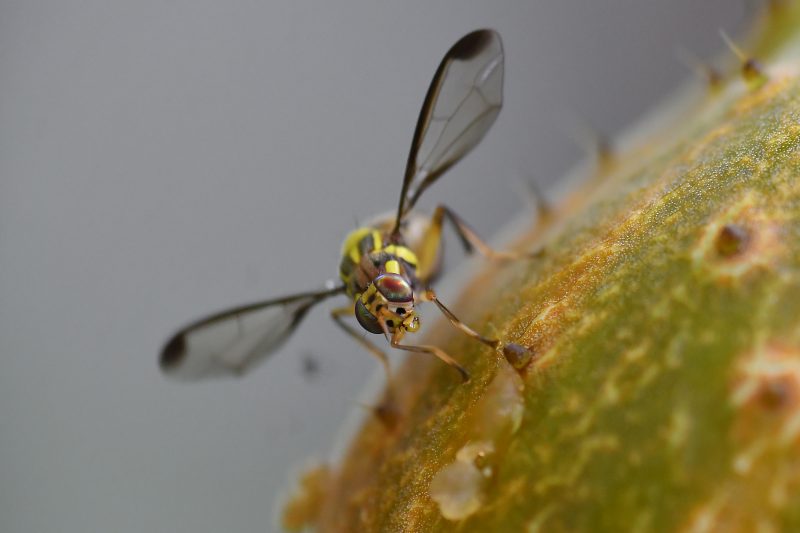
UPDATE: A Caribbean fruit fly has been discovered in Alhambra, California, prompting officials to issue an urgent warning for residents within a newly established quarantine zone. This alarming find, reported on September 30, 2023, is a significant threat to local agriculture and home gardens, leading officials to urge immediate action.
Officials from the City of Alhambra announced the discovery through a social media alert, emphasizing, “This is not the kind of holiday guest you want showing up uninvited.” Residents in the affected areas are being advised to take necessary precautions to prevent the spread of this invasive species.
The quarantine zone encompasses neighborhoods in Alhambra and surrounding areas, impacting hundreds of households. Residents are being instructed to avoid moving fruits and vegetables outside of the designated zone and to report any sightings of the fruit fly to local authorities.
The California Department of Food and Agriculture (CDFA) is working closely with local officials to contain the situation. The Caribbean fruit fly, which can cause severe damage to fruit crops, poses a serious risk to local gardens and commercial agriculture. If left unchecked, it could lead to significant economic repercussions for farmers and potential food shortages for consumers.
Authorities are taking aggressive measures to eliminate this pest and are deploying traps throughout the quarantine area. Residents are encouraged to cooperate with the ongoing efforts, ensuring that all agricultural products are monitored and reported.
Next steps include ongoing monitoring and potentially expanding the quarantine zone if further sightings are reported. The CDFA will keep the public updated on the developments and necessary precautions as this situation unfolds.
Residents are urged to share this information widely to ensure that the community remains vigilant and proactive in safeguarding local agriculture. For the latest updates, follow the City of Alhambra’s official social media channels and the CDFA website.
This urgent situation highlights the need for community awareness and quick action to protect local ecosystems. Stay tuned for further updates on this developing story.